






Lufthansa Technik Philippines Breaks Ground on New MRO Facility at Clark
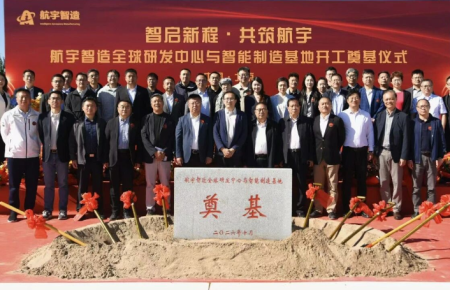
Lufthansa Technik Philippines has broken ground on a new aircraft maintenance, repair and overhaul facility at Clark International Airport, expanding the Philippines’ aviation maintenance capacity...


Lufthansa Technik Philippines has broken ground on a new aircraft maintenance, repair and overhaul facility at Clark International Airport, expanding the Philippines’ aviation maintenance capacity and strengthening Clark’s role as an aerospace and logistics hub.
Quick Skim
The new facility will be developed on a 157,000 sq m site within the Clark International Airport complex and represents a three-digit million-dollar investment. The project is expected to create more than 1,000 jobs once operational.
Operations are scheduled to begin in 2028, expanding Lufthansa Technik Philippines’ existing maintenance capabilities and supporting growing demand for aircraft MRO services in the Asia-Pacific region.
Expanding Aircraft Maintenance Capacity
Lufthansa Technik Philippines currently specialises in maintenance, repair and overhaul services for several widebody aircraft, including the Airbus A330, A340 and A380, as well as the Boeing 777.
The new Clark facility will allow the company to expand its portfolio to include the Airbus A350 and Boeing 787, adding maintenance capability for two of the latest-generation widebody aircraft used by airlines around the world.
The Clark operation will complement Lufthansa Technik Philippines’ existing MRO facility at Ninoy Aquino International Airport.
The new facility will also include a paint shop and workshops for non-destructive testing, further expanding the range of aircraft maintenance and technical services available locally.
Clark Strengthens Its Aviation Ecosystem
The investment is also expected to support the continued development of Clark as a broader aviation, logistics and aerospace centre.
Luzon International Premiere Airport Development Chairperson Josephine Gotianun-Yap said the investment represents confidence in Clark, the Philippine aviation workforce and the long-term growth of the country’s aviation industry.
Clark International Airport is already attracting major aviation and logistics companies as infrastructure continues to develop around the airport.
LIPAD Chief Executive Officer Noel Manankil said the Lufthansa Technik project contributes to the continued development of the Clark AeroDistrict, alongside operations and investments from global companies including FedEx Express and UPS.
Supporting Aerospace Skills and Employment
Aircraft MRO is a highly specialised part of the aviation industry, requiring trained engineers, technicians and maintenance personnel to inspect, repair and certify aircraft and their systems.
With more than 1,000 jobs expected from the new facility, the project is set to expand employment opportunities in the Philippines’ aviation maintenance sector while building additional technical capabilities around Clark.
Lufthansa Technik Philippines is a joint venture between Germany-based Lufthansa Technik and Philippine aviation services company MacroAsia Corporation.
The expansion also adds to the Philippines’ position as an aircraft maintenance destination in Asia-Pacific, where growing airline fleets continue to increase demand for maintenance and technical support.
New Capacity for the Next Generation of Aircraft
The addition of Airbus A350 and Boeing 787 maintenance capabilities will allow the Clark facility to support newer aircraft fleets as airlines continue modernising their operations.
Alongside heavy aircraft maintenance, the planned paint and non-destructive testing facilities will broaden the technical services available within the site.
The project represents another step in developing Clark beyond passenger aviation into a wider ecosystem covering aircraft maintenance, logistics and aerospace-related industries.
With operations targeted for 2028, Lufthansa Technik Philippines’ expansion will add new MRO capacity to the country while supporting Clark’s development as an increasingly important aviation hub in the Asia-Pacific region.