


Singapore Partners to Develop LNG Infrastructure for Bio-Methane Bunkering
Singapore’s Maritime and Port Authority, CMA CGM, and SLNG collaborate to explore bio-methane supply using existing LNG infrastructure for marine fuels.

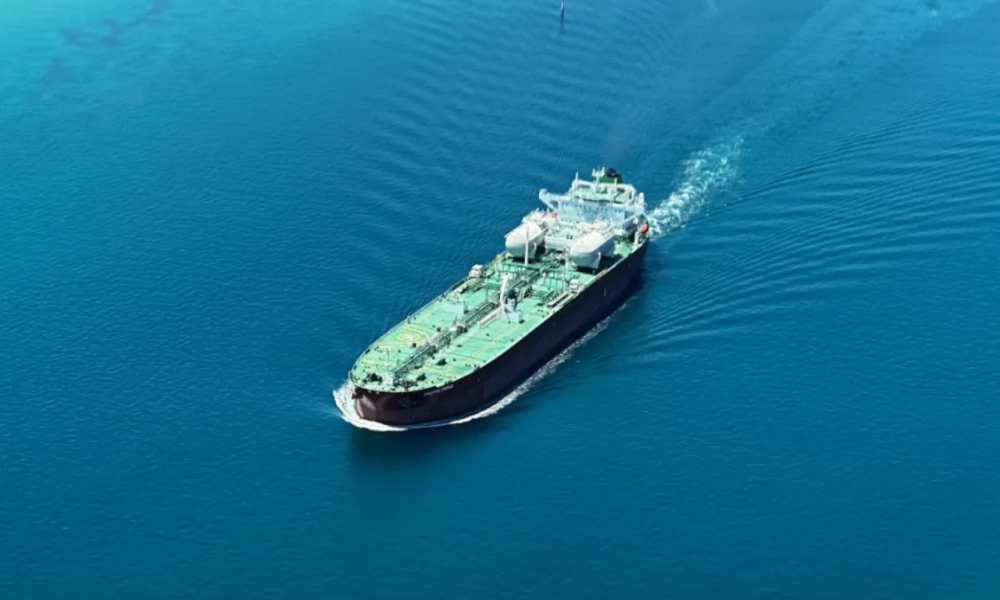
Singapore’s Maritime and Port Authority (MPA), CMA CGM Group, and Singapore LNG Corporation (SLNG) have initiated a collaboration to develop supply pathways for liquefied bio-methane as a marine fuel by leveraging existing gas infrastructure in Singapore. The parties formalised the arrangement through a memorandum of understanding aimed at fuel certification, supply, and utilisation.
Collaboration Draws on Combined Industry Expertise
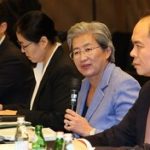
The agreement was signed by MPA CEO Ang Wee Keong, CMA CGM Asia-Pacific CEO Bo Wegener, and SLNG CEO Leong Wei Hung. MPA will provide regulatory oversight and industry development experience, CMA CGM will contribute shipping and logistics expertise, while SLNG will offer infrastructure and technical capabilities related to liquefied natural gas (LNG).
MPA CEO Ang noted that LNG is already an established marine fuel in Singapore and emphasised the focus on exploring lower-emission alternatives that can utilise existing infrastructure.
Assessment and Validation of Bio-Methane Supply Chains
The partnership will study how sustainability credentials and greenhouse gas emission reductions can be accounted for when bio-methane is blended with natural gas within shared infrastructure. Pilots and operational trials are planned to verify these methods and evaluate their broader applicability.
SLNG highlighted its certification under the International Sustainability and Carbon Certification EU framework, making it one of the first LNG terminals in the region authorised to handle liquefied bio-methane.
SLNG CEO Leong described bio-methane as a significant contributor to maritime decarbonisation and Singapore’s wider energy transition efforts.
This initiative signals a practical step towards integrating renewable gases into existing marine fuel supply chains, potentially influencing operational decisions in shipping and logistics sectors across the Asia-Pacific region. These developments may affect the management of fuel supplies, sustainability compliance, and future maintenance requirements of bunkering facilities.
According to the parties involved, continued collaboration will focus on generating industry knowledge to facilitate the adoption of liquefied bio-methane bunkering capabilities in Singapore’s port infrastructure.