


Australia and Singapore Agree on CO2 Shipping and Storage Rules for Offshore Sequestration
Australia and Singapore have set regulatory frameworks for shipping captured CO2 from Singapore for permanent storage beneath the Australian seabed.

 SONY DSC
Australia and Singapore have agreed rules governing the shipping of captured carbon dioxide (CO2) from Singapore for permanent storage beneath the seabed off Australia.
Quick Skim
Shared Emission Accounting and Cargo Measurement Protocols
The agreement establishes that Singapore will be accountable for emissions associated with each CO2 cargo, including fugitive emissions, until the vessel offloads the cargo within Australian jurisdiction. At that point, Australia assumes responsibility. The handover can occur at a port, terminal, offshore buoy, or floating storage and injection facility.
Singapore is required to measure and report the quantity and composition of each CO2 cargo at the point of export. Australia will perform a second measurement at handover. These measurements determine the volume of CO2 Australia will be responsible for accounting and the emissions reductions Singapore can claim under its international climate reporting obligations.
Implementation and Joint Regulatory Oversight
The agreement will come into effect 30 calendar days after both governments complete their domestic procedures and provide written notification. Subsequently, a joint management committee will be formed to coordinate operational aspects such as handover locations, regulation, and permit processes.
The committee will also establish shared standards for measurement and verification, alongside procedures for recording and exchanging shipment data to maintain transparency and compliance.
Project-Specific Permits and Environmental Assessments
Individual CO2 transport and storage projects remain subject to permit applications and environmental assessments under national regulations. Singapore will provide Australia evaluations of each proposed CO2 source, detailing cargo properties and transportation implications.
Australian authorities will examine permit applications for activities within their jurisdiction before approving operations, ensuring compliance with environmental and safety standards.
Infrastructure Development for CO2 Storage in Northern Australia
Complementing this agreement, Vopak and the Northern Territory Government signed a memorandum of understanding in 2024 to develop shared CO2 infrastructure, including a proposed import terminal at Middle Arm in Darwin Harbour. The terminal is planned to receive captured CO2 from industrial sources, potentially importing cargoes from neighbouring countries for onward transfer to geological storage sites.
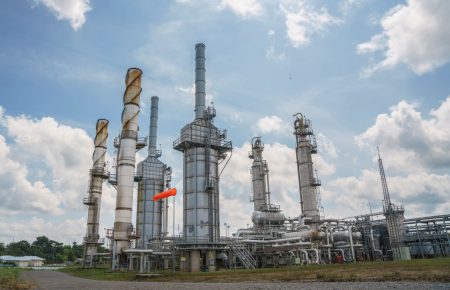
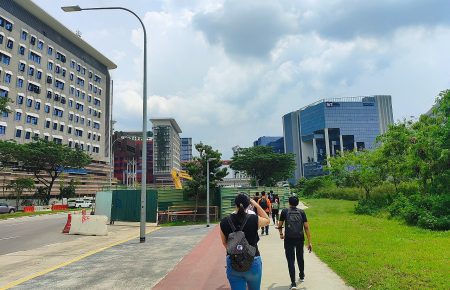
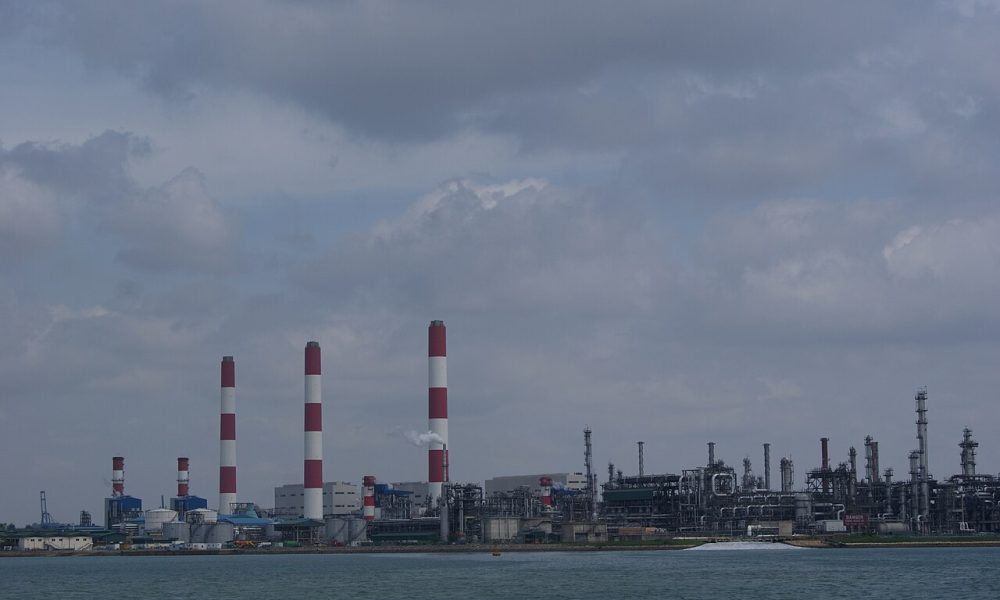
Photo: Jacklee/Wikimedia Commons, CC BY-SA 3.0