



Apple, Intel, Meta Propose Expansion of High-Tech Manufacturing in Vietnam
Apple, Intel and Meta seek to enhance semiconductor industry and AI applications in Vietnam, urging investment in workforce and supply chain integration.

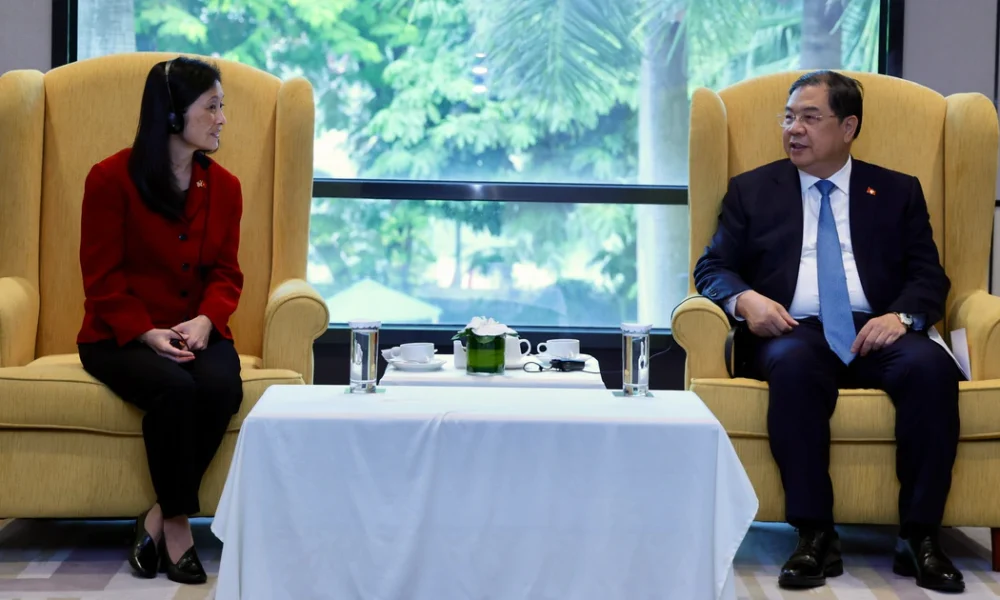
Apple, Intel and Meta have proposed measures to expand high-tech manufacturing in Vietnam, focusing on next-generation investment in semiconductors and wider application of artificial intelligence (AI), during a meeting with Vietnamese officials in Hanoi.
Industry Leaders Advocate for Semiconductor and AI Development
The proposals were presented on 14 October by representatives of the three companies during discussions involving Vietnamese Permanent Deputy Prime Minister Pham Gia Tuc and U.S. Ambassador to Vietnam Jennifer Wicks. They emphasised the importance of fostering investments in the semiconductor sector and strengthening supply chain linkages.
In addition, the companies highlighted the need for enhanced investment in training the high-tech workforce and supporting Vietnamese enterprises to integrate into global supply chains.
Government Response and Broader Business Engagement
Deputy Prime Minister Tuc welcomed their suggestions and encouraged the companies and other U.S. businesses to pursue their investment plans in Vietnam. At the same meeting, other U.S. firms, including AES, GE Vernova, KKR and Warburg Pincus, outlined cooperation interests spanning power generation, energy equipment supply, and financial market improvements such as streamlined mergers and acquisitions procedures.
Consumer goods firms PepsiCo and Philip Morris International also advocated for regulatory enhancements to support their production and operational activities.
During the U.S.-Vietnam Business Summit 2026, Deputy Prime Minister Tuc identified five priority areas for bilateral cooperation: high technology—including semiconductors, AI and data; clean energy and green transition; sustainable supply chains; finance, innovation and startups; and education, training and workforce development.
Tuc reaffirmed the Vietnamese government’s commitment to ongoing institutional reforms aimed at creating a transparent and predictable investment environment to attract and retain foreign investment.
This development underscores Vietnam’s strategic focus on advancing its manufacturing capabilities in high-technology sectors, crucial for regional supply chains and economic diversification. Observers will be watching the implementation of these proposals and their impact on Vietnam’s position in the global semiconductor and AI industries.