



Honda Plans To Use Mitsubishi Triton To Cut Development Costs In Southeast Asia
Honda aims to distribute Mitsubishi Triton pickup trucks under its brand in Southeast Asia from 2028 to reduce development costs and expand its product range.

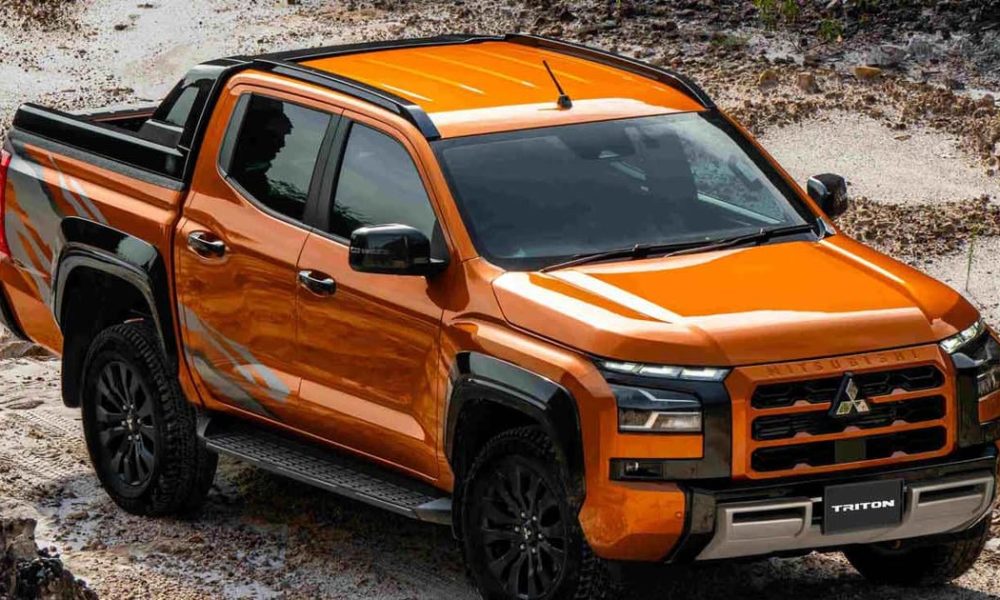
Honda intends to market Mitsubishi Triton pickup trucks built in Thailand under the Honda brand in multiple Southeast Asian countries starting in 2028, reflecting a broader industry trend of automakers collaborating to reduce development expenses.
Quick Skim
Collaboration To Expand Product Portfolio Without Full Development
According to sources cited by Jiji Press on October 11th and AutoBuzz on October 14th, Honda, Mitsubishi, and Nissan have been discussing a collaboration plan set to begin in 2028. Honda would acquire Mitsubishi’s Triton pickups manufactured in Thailand and sell them under its own brand, bypassing the need to develop a new pickup truck from the ground up.
This approach enables Honda to enter the pickup segment more efficiently, while Mitsubishi benefits from increased utilisation of production capacity and market reach for its Triton model.
Shared Platforms Seen As Cost-Effective Strategy
The practice of rebadging vehicles or sharing platforms is well-established; the Nissan Navara already uses the Mitsubishi Triton platform in Southeast Asia. The next-generation Triton, introduced in 2023, features a ladder frame chassis, enhanced suspension, and turbocharged diesel engine.
While platform sharing reduces development overhead, manufacturers typically customise design, safety features, and performance to maintain brand distinctiveness. The extent of Honda’s modifications and exact cost savings remain unconfirmed.
Market Implications And Challenges
In Vietnam, the pickup truck market illustrates that adding new models does not guarantee increased market share. Ford Ranger leads sales, with Toyota Hilux, Mitsubishi Triton, and Isuzu D-Max trailing considerably. According to Vietnam Automobile Manufacturers Association data for the first nine months of 2026, the Ford Ranger sold 9,835 units, Hilux 5,687, Triton 3,524, and Isuzu D-Max 508.
Honda’s potential entry could broaden consumer choices but depends on factors beyond cost savings, including pricing strategies, distribution networks, brand positioning, and after-sales support. Dependence on partner platforms may also affect production autonomy and development flexibility for Honda.
What This Means For Industrial Operations
For manufacturers, leveraging existing platforms can shorten development cycles and optimise capital expenditure, allowing focus on areas such as marketing and customer service. This model facilitates faster market entry, especially in regions where bespoke platform development may not be economically justifiable.
However, reliance on partners requires coordination across supply chains and production schedules, potentially influencing operational agility. Maintaining product differentiation and quality control remains critical to achieving competitive advantage despite shared platforms.
Honda’s reported collaboration with Mitsubishi is indicative of a wider shift towards shared resources among Japanese automakers to reduce costs and improve operational efficiency. The commercial outcome will depend on execution details, including volumes, pricing, and market acceptance across Southeast Asia.