



Danantara Investment Management Targets US$10.94 Billion in Additional Investment and 50,000 Jobs by 2028
Danantara Investment Management aims to mobilise Rp200 trillion (US$10.94 billion) in additional investment over 2027–2028, supporting around 50,000 jobs in Indonesia.

PT Danantara Investment Management (DIM), a subsidiary of state investment agency Danantara Indonesia, aims to mobilise approximately Rp200 trillion (US$10.94 billion) in additional investment over 2027–2028, supporting the creation of around 50,000 direct and indirect jobs.
Quick Skim
According to Indonesia Business Post, Danantara Indonesia Chief Investment Officer Pandu Sjahrir said DIM’s investment strategy is designed to generate commercial returns and to deliver long-term economic benefits through industrial development, energy transition and improved national competitiveness.
The investment programme is expected to generate employment through projects across several sectors, while potentially producing Rp5 trillion–Rp6 trillion in foreign exchange savings and additional revenues, partly by reducing imports of caustic soda and supporting the hospitality and construction industries.
Waste-to-Energy and Chemical Manufacturing
One of DIM’s priorities is supporting Indonesia’s energy transition through waste-to-energy (WTE) projects. These are projected to generate up to 3 TWh of electricity annually while reducing carbon emissions by approximately 6 million–7 million tonnes a year.
DIM also plans to develop a manufacturing facility for WTE components at the Krakatau Industrial Estate in Cilegon, covering approximately eight hectares.
In the industrial sector, DIM is supporting domestic chemical manufacturing, including liquid caustic soda production capacity exceeding 800,000 tonnes annually, which is expected to reduce reliance on imported chemicals.
Waste Management, Data Centres and Other Priorities
DIM is also targeting improvements in national resilience through waste management projects with processing capacity exceeding 8 million tonnes annually and the expansion of domestic data centre capacity by up to 1 GW.
Other priorities include developing a regional protein business in partnership with Australia’s largest protein producer, expanding Indonesia’s capabilities in unconventional oil production, and providing quality, affordable accommodation for Indonesian Hajj and Umrah pilgrims.
Portfolio Allocation
Approximately 60% of DIM’s portfolio is expected to be allocated to private investments with direct income streams and strategic projects, while 40% targets public investments and treasury assets.
Under its 2030 asset allocation plan, DIM intends to allocate 3%–5% to treasury and liquidity buffers, 35%–45% to public investments, 35%–45% to long-term private investments and 10%–20% to strategic investment opportunities.
Pandu said longer-term projects, including Berkah, WTE, Cordova and Johor, will begin delivering returns from the fifth year onward.
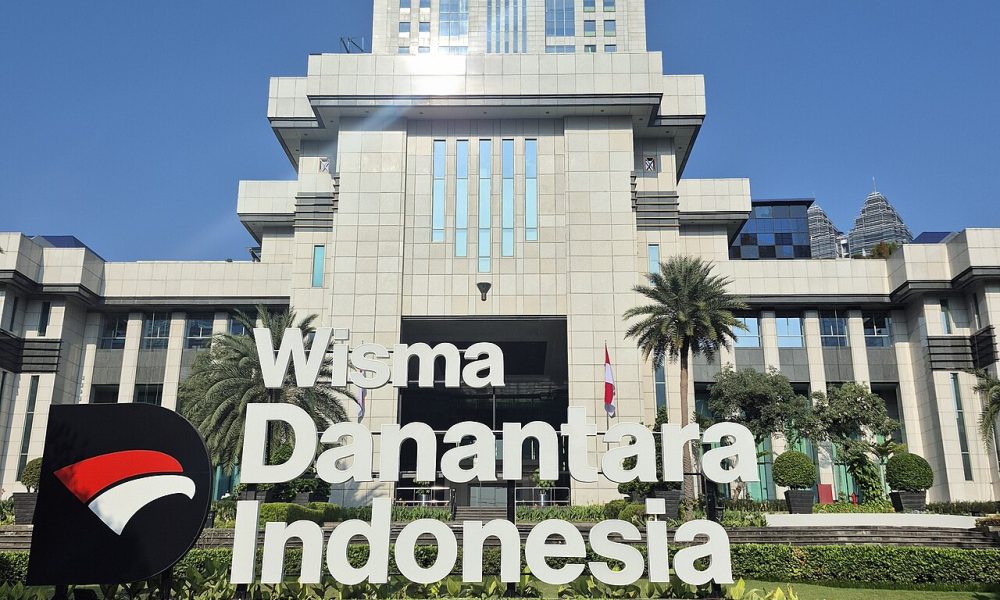
Photo: Medelam/Wikimedia Commons, CC BY 4.0