



Australia Set to Pass Law Requiring LNG Exporters to Reserve Up to a Fifth of Output for Domestic Use
Australia’s LNG producers will have to reserve up to a fifth of output for domestic use from January 2028 under a scheme backed by the government and opposition.

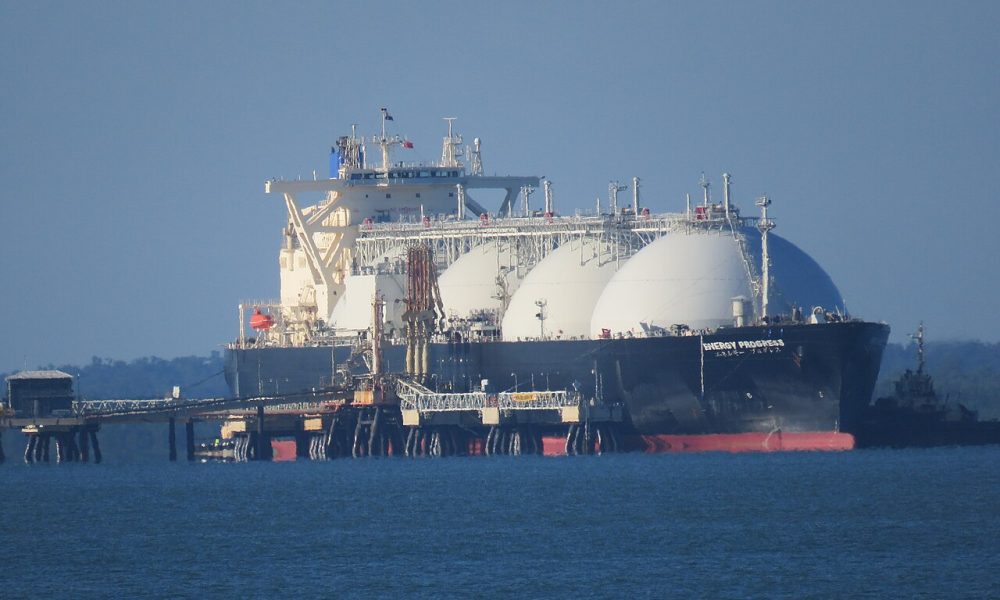
Australia is set to pass a law requiring producers of liquefied natural gas (LNG) to reserve up to a fifth of output for domestic use, in an effort to cut prices and round out supplies forecast to fall short, Reuters reported via The Japan Times.
Quick Skim
How the reservation scheme works
The scheme takes effect from January 2028, with the energy regulator determining the exact amount to be reserved. It is designed to create a surplus described by the government as a “modest oversupply” amounting to 110% of forecast demand.
“The domestic gas reservation will deliver reliable supply of affordable gas for business and for households,” said Industry Minister Tim Ayres, adding that it would also benefit jobs, manufacturing and help support new business investment.
Australia exports far more gas than it consumes domestically, with the bulk of reserves located in the north and northwest, alongside two-thirds of the export industry.
Senate vote and Western Australia exemption
The upper house Senate was scheduled to vote on the bill, which the conservative opposition coalition has pledged not to block despite flagging “flaws” remaining in the policy and proposing some amendments.
“We will not oppose this legislation because we want reliable and affordable gas for Australians,” said Nationals Senator Susan McDonald, the shadow minister for resources.
The centre-left Labor government secured backing from the opposition after agreeing to exempt Western Australia, the country’s biggest LNG exporting state. McDonald said the coalition would move additional amendments in the Senate, including strengthening the exemption for Western Australia.
The Greens and independents such as David Pocock oppose the scheme in its current form. An amendment for a 25% tax on exports was rejected by the Senate on Thursday.
Producer and buyer concerns
Gas producers have opposed the policy over provisions that suppliers “must sell”, warning it would drive down prices too far and deter investment in new supply. Santos’ Gladstone LNG project is thought to be the hardest hit, as it lacks spare gas beyond contracted volumes.
The governments of China and Japan, the two largest buyers of Australian gas, have also expressed concerns over the scheme.
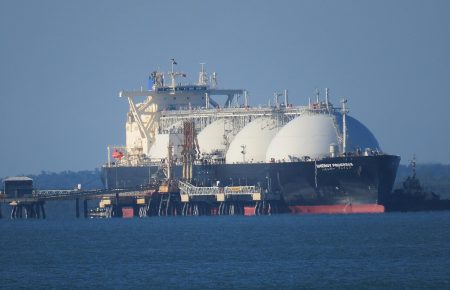
Photo: Ken Hodge/Wikimedia Commons, CC BY 2.0