

Singapore Expands GFA Exemptions and Green Mark Retrofit Incentives for Buildings
Singapore’s Urban Redevelopment Authority extends gross floor area exemptions for pedestrian shelters and enhances retrofitting incentives under the Green Mark scheme.

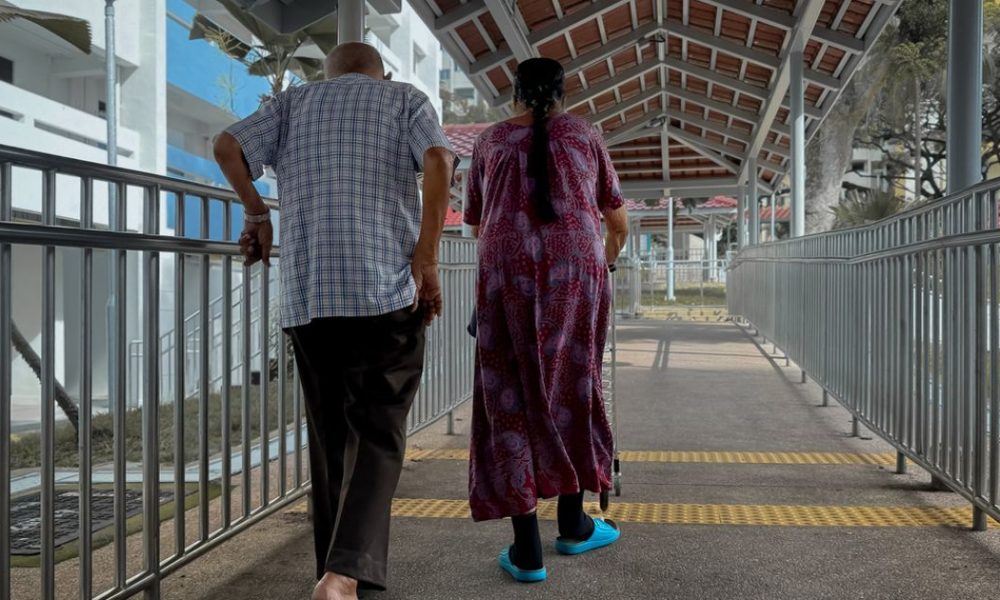
Singapore’s Urban Redevelopment Authority (URA) has expanded gross floor area (GFA) exemptions to encourage developers to construct wider roof eaves, sun-shading devices, and covered linkways to improve pedestrian protection against tropical weather, National Development Minister Chee Hong Tat announced on 26 November.
Quick Skim
Wider GFA Exemptions for Pedestrian Shelters
Effective immediately from 26 November, the width of roof eaves and sun-shading devices eligible for GFA exemption increases from 2m to 3m. The change applies to non-conserved buildings, whose owners no longer require URA approval for these features, provided they are column-free, inaccessible except for maintenance, and comply with existing regulations.
The exemption for new covered linkways has also been revised; they no longer need to be part of a landscaped area to qualify for the GFA exemption. This adjustment aims to facilitate the creation of sheltered pedestrian connections better aligned with occupant and visitor needs.
Exemption of Mechanical and Electrical Spaces Extended
The URA will now exempt mechanical and electrical (M&E) spaces on all basement floors from GFA calculations, extending beyond the previous exemption limited to basement carpark floors. This change provides developers increased flexibility to locate building services in basements, allowing ground-floor areas to be optimised for active use.
Enhancements to Support Green Retrofitting
Alongside GFA changes, Singapore has enhanced the Green Mark Incentive Scheme for Existing Buildings 2.0 to accelerate energy-efficiency improvements and decarbonisation in the built environment. The scheme, launched in 2022, helps owners offset costs of retrofits that improve systems such as cooling, ventilation and lighting.
Since its inception, the scheme has supported projects expected to save approximately 29.5 million kilowatt-hours of electricity annually, equivalent to the consumption of about 7,000 four-room Housing Board flats. The enhanced scheme introduces funding support for select upgrades, including chiller plant improvements, without requiring full Green Mark certification, if energy-efficiency standards are met.
Greater Financial Support and Extended Timeline
Funding levels have been increased to reduce the average payback period for energy-efficiency investments by about two years. The scheme now co-funds certain decarbonisation solutions such as structural roof strengthening for solar panel installations and alternative cooling technologies like hybrid cooling, which combines air-conditioning set at up to 27 degrees Celsius with fan assistance.
Applications for the scheme have been extended by three years, from 31 March 2027 to 31 March 2030, giving building owners more time to align retrofits with scheduled equipment replacements or broader asset upgrading works, Chee said.
The Real Estate Developers’ Association of Singapore (REDAS) said the URA’s GFA changes give developers greater flexibility to build for Singapore’s climate, and that the Building and Construction Authority’s enhancements to the scheme are timely as Singapore’s building stock ages. “They strengthen the business case for capital-intensive retrofits, which will help lower the carbon footprint of the built environment,” it said.
Photo: The Straits Times