




Adhi Karya Secures US$70.6 Million Contracts for 26 Irrigation Projects Across Indonesia
Adhi Karya will upgrade conventional and groundwater irrigation networks in 12 provinces under contracts worth Rp1.29 trillion, working with the Ministry of Public Works.

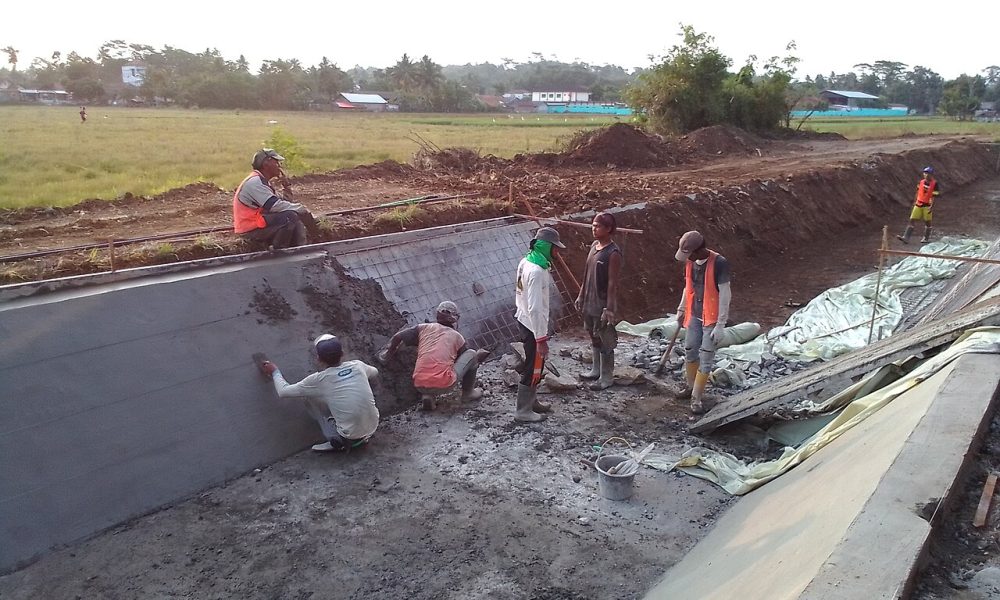 Exif_JPEG_420
PT Adhi Karya (Persero) Tbk. (ADHI) has secured contracts worth Rp1.29 trillion (about US$70.6 million) to develop and upgrade 26 irrigation projects across 12 Indonesian provinces, working with the Ministry of Public Works.
26 Projects in 12 Provinces
The projects span provinces in Sumatra, Java, Kalimantan, Sulawesi and Nusa Tenggara, according to ADHI Corporate Secretary Siswanto. The contracts comprise 15 conventional irrigation network projects and 11 groundwater irrigation network projects, known as Jaringan Irigasi Air Tanah (JIAT).
“Through the 26 irrigation projects across 12 provinces, ADHI is optimizing its construction and project management capabilities to ensure that the work is carried out to a high standard,” Siswanto said, according to the company’s website on 25 November 2026.
Scope of Works
The conventional irrigation projects involve upgrading and rehabilitating main and tertiary channels, as well as constructing new channels and inspection roads.
The JIAT projects include drilling test and production wells, building pump houses, reservoirs and water towers, installing pipelines and distribution networks, and supplying and installing pumps and related equipment.
Presidential Instruction on Irrigation
The projects form part of the implementation of Presidential Instruction No. 2/2025 for the 2026 fiscal year, which accelerates the construction and rehabilitation of irrigation networks to support food self-sufficiency. The programme also aligns with the government’s Asta Cita development agenda, which includes strengthening national food independence.
“We hope the infrastructure being built will improve water access for agricultural land, support farmers’ productivity, and deliver sustainable benefits to communities and Indonesia’s food security,” Siswanto said.
Photo: DARMAS BS 9/Wikimedia Commons, CC BY-SA 4.0