

Adaro Logistics and Unilever Adopt Groundup.ai Agentic AI for Cognitive Maintenance
Adaro Logistics and Unilever have adopted Groundup.ai’s GINA platform for Cognitive Maintenance, expanding the use of Agentic AI across industrial logistics and manufacturing operations in Indonesia....

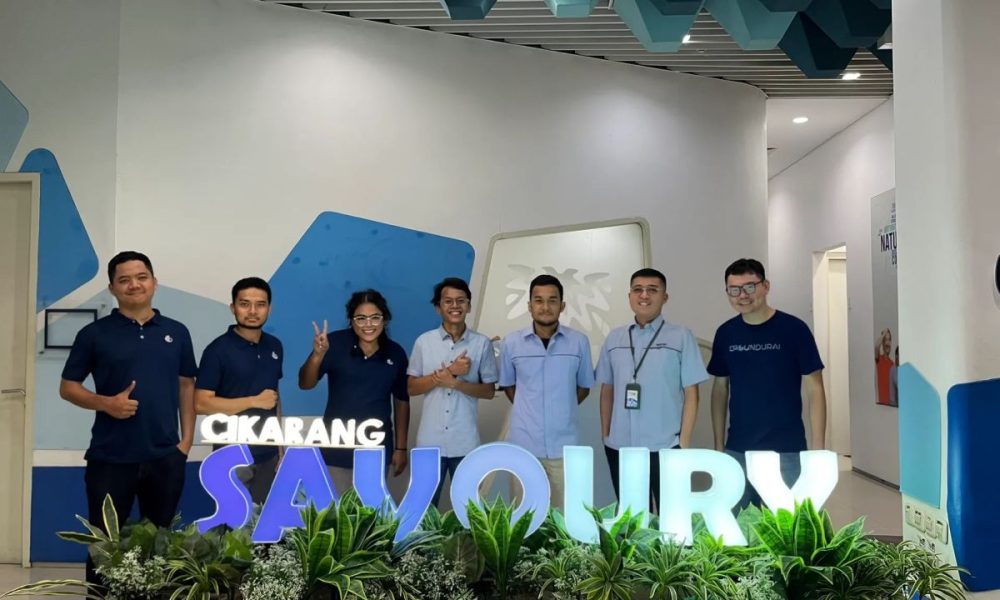
Adaro Logistics and Unilever have adopted Groundup.ai’s GINA platform for Cognitive Maintenance, expanding the use of Agentic AI across industrial logistics and manufacturing operations in Indonesia.
Quick Skim
The deployments will bring AI-based machine diagnostics to two different asset-heavy environments, with Adaro Logistics using the system across port and material-handling assets and Unilever deploying it in manufacturing operations.
From Predictive Alerts to Fault Diagnosis
Traditional predictive maintenance systems are typically designed to detect abnormal equipment behaviour and alert maintenance teams that something may be wrong.
Groundup.ai is positioning GINA differently.
Its Agentic AI engine analyses sound, vibration and thermal data together to identify the likely mechanical root cause of a developing fault and recommend corrective action.
The aim is to give maintenance teams more than an alert by helping them understand what is happening and what action may be required before equipment reaches failure.
Adaro Logistics Targets Critical Port and Material-Handling Assets
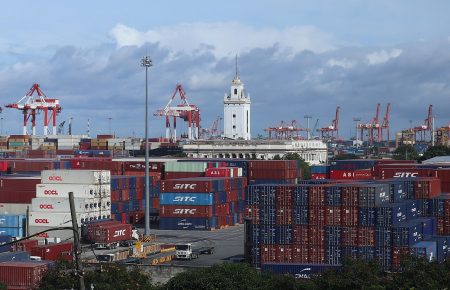
Adaro Logistics operates equipment where individual failures can affect wider supply-chain operations.
Assets such as conveyors, ship loaders and vessel machinery can become operational bottlenecks when unplanned downtime occurs.
By applying continuous machine-health monitoring, the company aims to detect developing equipment problems earlier and give maintenance teams more time to respond.
The deployment reflects growing interest in applying Industrial AI beyond factory production lines and into ports, logistics and other asset-intensive operations.
Unilever Brings Cognitive Maintenance Into Manufacturing
Unilever will deploy Groundup.ai’s technology within its manufacturing operations in Indonesia.
For fast-moving consumer goods manufacturers, unexpected equipment failure can disrupt production schedules, reduce output and affect delivery commitments.
Continuous monitoring can provide maintenance teams with earlier visibility into equipment deterioration while helping them prioritise interventions based on machine condition rather than fixed maintenance schedules alone.
GINA Analyses Three Machine Health Signals
Groundup.ai’s system combines three types of machine-health information:
- Vibration
- Sound
- Temperature
Analysing these signals together can provide additional context when diagnosing mechanical problems.
Rather than treating each sensor reading independently, GINA is designed to reason across the combined data and identify patterns associated with specific mechanical faults.
The system then provides maintenance teams with a diagnosis and recommended corrective action.
GINA is designed to improve as maintenance teams provide feedback on its diagnoses.
This allows the system to incorporate information from real maintenance outcomes and refine future recommendations.
The platform is also supported by the Groundup.ai Asset Library, a database of industrial machine anomalies developed from previous deployments.
Groundup.ai says this allows the system to recognise known failure patterns without relying exclusively on months of baseline learning for every new asset.
The platform can be deployed either in the cloud or on-premise, depending on the operational and cybersecurity requirements of the customer.
Enterprise capabilities include:
- Single sign-on
- API integration
- Webhook integration
- Multi-site deployment
These features are intended to make the system easier to integrate with existing industrial and enterprise technology environments.
Deployments Follow GINA V2 Launch at ITAP 2026
The Adaro Logistics and Unilever deployments follow the launch of GINA V2 at Industrial Transformation Asia-Pacific 2026 in October.
The updated platform was introduced as an Agentic AI system designed to move maintenance intelligence beyond anomaly detection towards diagnosis and prescribed actions.
The two new customers also extend Groundup.ai’s presence across different industrial sectors, showing how the same underlying machine-health approach can be applied to both logistics assets and manufacturing equipment.
The deployments illustrate a broader shift in industrial AI from identifying abnormalities towards helping maintenance teams make operational decisions.
For asset-heavy organisations, the value of predictive technology increasingly depends on whether it can translate machine data into actionable maintenance guidance.
Adaro Logistics and Unilever’s adoption of Groundup.ai reflects that transition, with AI being used not only to detect equipment problems but also to support diagnosis and maintenance response across day-to-day operations.