





Bac Ninh Plans 700 Supporting Industry Firms by 2030 to Boost Manufacturing
Bac Ninh aims for 700 supporting firms by 2030, focusing on quality, digitalisation, and sectors like electronics and automotive to strengthen supply chains.

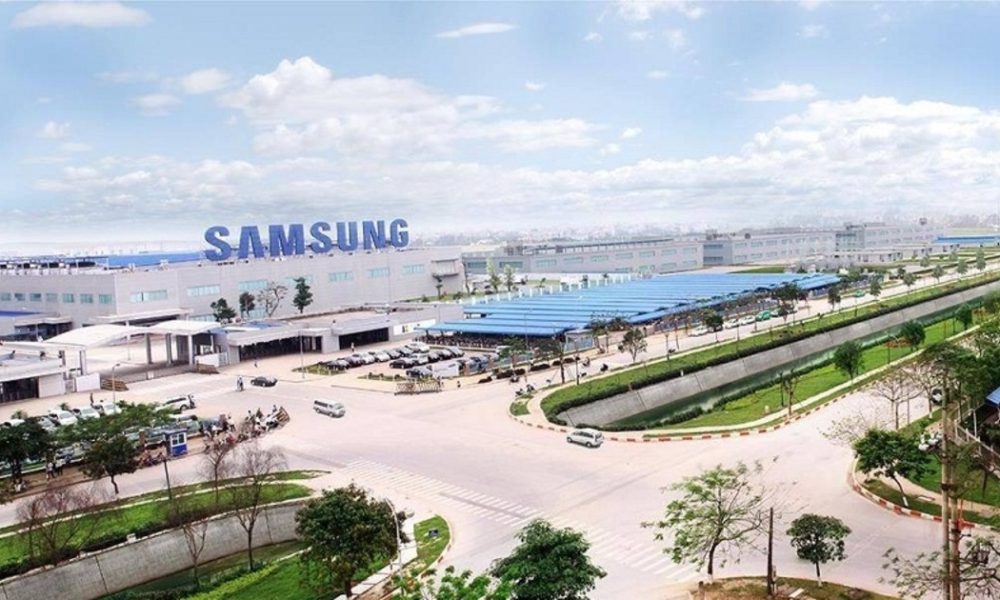
Bac Ninh City in northern Vietnam has set a goal to develop at least 700 supporting industry enterprises by 2030, with a focus on enhancing competitiveness and aligning with international standards for supply chain integration.
Bac Ninh Targets Quality and Digitalisation for Supporting Firms
Under a new development scheme for 2026–2030 with a vision towards 2035, Bac Ninh will support at least 20 enterprises annually to improve their operational capabilities and will hold a minimum of two supply-demand matchmaking sessions each year. The city plans to establish a digital database to comprehensively track supporting industry activities.
The strategy aims to transition from low-complexity assembly to the production of high-tech, high-value components, emphasising digital transformation, green manufacturing, and smart factory initiatives. Approximately 60% of domestic firms are expected to meet international management standards by 2030 to become tier suppliers for multinational corporations, with a target of 80% compliance by 2035.
Sector Priorities and Infrastructure Support
Bac Ninh will prioritise electronics and semiconductor industries, supporting its role as a regional high-tech manufacturing hub. The city also plans to develop precision engineering, automation, and automotive manufacturing sectors, particularly electric vehicles and smart mobility. Selective upgrading is planned for textiles, garments, and footwear, focusing on green production and increased value capture.
To facilitate these goals, the city will reserve 5% of industrial land in parks and clusters for high-tech enterprises and SMEs. Expansion of direct B2B supplier-buyer matchmaking forums will connect domestic firms with global corporations and foreign direct investment enterprises, facilitating integration into global value chains and compliance with international standards.
According to local authorities, the development programme is designed to foster a cohesive domestic supply network and enhance technology mastery, leveraging multinational corporations’ technical demands and FDI to attract targeted investment.
Looking ahead, Bac Ninh plans to increase its supporting industry network to over 1,000 enterprises by 2035, strengthening the city’s manufacturing capacity and supply chain resilience in the Asia-Pacific region.