
Maersk’s APM Terminals Takes 40% Stake in Guangzhou Port’s US$1.1 Billion Nansha Terminal
APM Terminals will co-develop the new Nansha International General Terminal with Guangzhou Port Group, adding capacity for 15.5m tonnes and 500,000 teu.

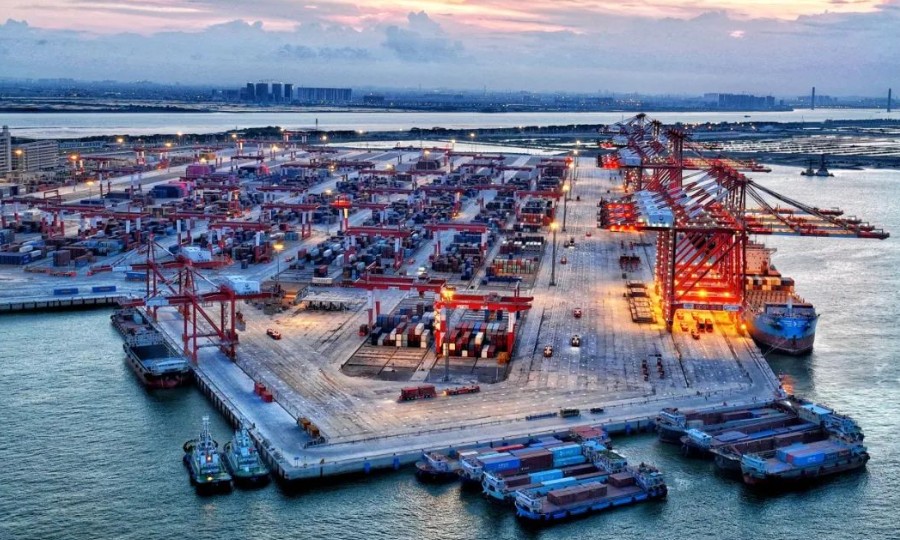
Maersk’s APM Terminals has agreed with Guangzhou Port Group to take a 40% stake in the CNY7.5bn (US$1.1bn) Nansha International General Terminal development in southern China, according to Splash247.
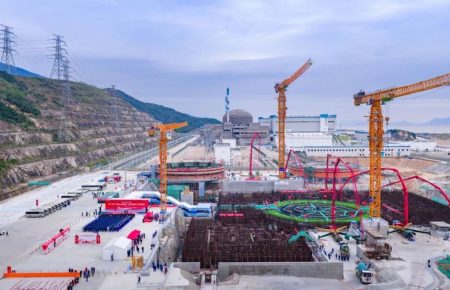
The two groups will jointly invest in, develop and operate the multipurpose terminal, which is under construction on Longxue Island in the Pearl River Delta. The agreement, announced in Guangzhou on Friday, remains subject to regulatory approval, and financial terms of the stake acquisition were not disclosed.
Berths and Capacity
The project features four deepwater multipurpose berths, two of the 100,000-tonne class and two of the 150,000-tonne class, alongside 14 smaller berths for barges. Once completed, the facility will add annual handling capacity of around 15.5m tonnes of general cargo and 500,000 teu at Nansha.
Construction Timeline
Guangzhou’s port authority confirmed last month that initial dredging, reclamation and ground improvement works had passed acceptance inspections, with the first phase of the terminal scheduled to enter operation in mid-2027.
APM Terminals in Nansha
The deal comes two decades after APM Terminals first invested in Nansha. The Dutch-based operator already holds a 20% stake in Guangzhou South China Oceangate Container Terminal alongside Guangzhou Port Group and Cosco Shipping Ports. “This agreement marks another milestone in our longstanding partnership with Guangzhou Port Group, following our investment in Guangzhou Port’s Nansha Port Area in 2006,” said APM Terminals chief executive Keith Svendsen.
Wider Nansha Expansion
Guangzhou expects annual container handling capacity at Nansha to exceed 30m teu by 2030. Construction started in May on the separate CNY14.45bn fifth phase of Nansha’s container port development, which will feature four deepwater container berths and 15 barge berths, adding another 6.7m teu of annual handling capacity.
Photo: Splash247