

Indonesia Fully Restores PNG Supply to Singapore with No Further Cuts Planned
Indonesia resumed full piped natural gas exports to Singapore on 12 November after nearly three weeks of reductions, with no additional supply cuts reported by METI.

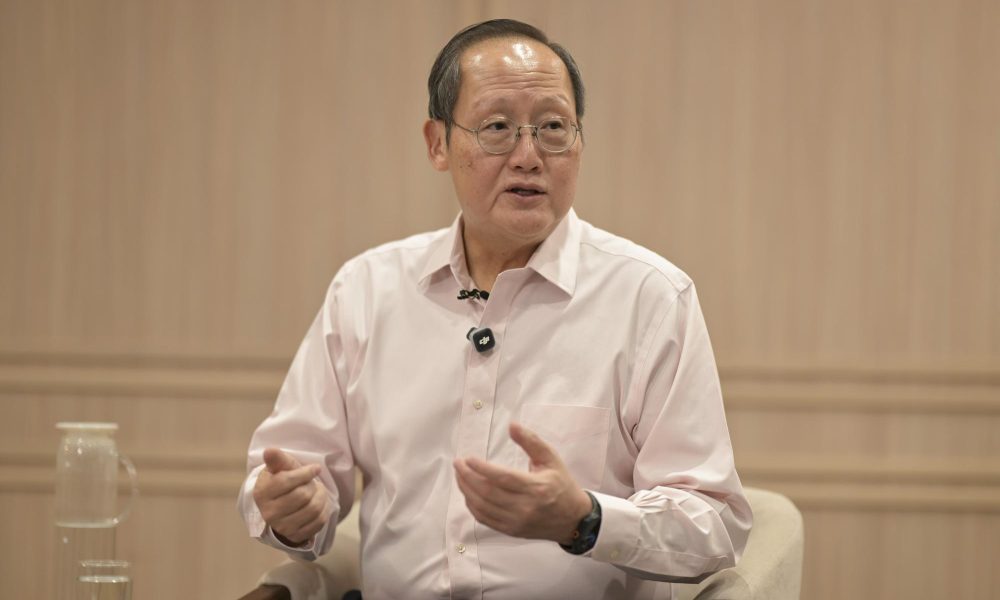
Indonesia’s piped natural gas (PNG) supplies to Singapore have been fully restored since 12 November, nearly three weeks after Indonesia cut exports to prioritise domestic consumption.
Quick Skim
A spokesperson for the Ministry of Energy, Trade and Industry (METI) said there has been no further notification of PNG supply reduction.
Supply Cut Originated from Indonesian Domestic Prioritisation
Indonesia began cutting natural gas exports to Singapore by 31 billion British thermal units per day (BBTUD) from 24 October, as President Prabowo Subianto’s government moved to prioritise domestic energy needs amid growing concerns over energy security.
The Energy Market Authority said at the time that the reduction amounted to 17 BBTUD over 18 days, or less than 2 per cent of Singapore’s daily gas demand. The city-state’s total daily gas demand amounts to more than 1,000 BBTUD.
PNG Supply Critical to Singapore’s Power Generation Mix
Natural gas accounts for about 95 per cent of Singapore’s power mix. Minister for Energy, Trade and Industry (Energy and Industry) Tan See Leng said that share could fall to about half by 2050, but he expects gas to remain a source of baseload power as Singapore shifts towards renewables.
Cross-border electricity trade, alongside alternative sources such as green ammonia or hydrogen, could eventually meet about 40 per cent of Singapore’s power needs.
Regional Cooperation Underpins Energy Security Strategy
Dr Tan said countries have to prioritise their domestic energy needs, but that trading with neighbours need not come at their expense. He described Singapore’s approach as “prosper thy neighbour” and said he would make the case for closer cooperation during Singapore’s term as Asean chair in 2027.
Asean has signed an enhanced memorandum of understanding on the Asean Power Grid regional energy trade project, which aims to link member states’ electricity grids by 2045. Dr Tan said more work was needed on rules for laying, accessing and maintaining undersea power cables.
Photo: CNA/Wallace Woon