




PLN Signs Six Renewable Power Purchase Agreements at COP31
Indonesia’s PLN secured six power purchase agreements and two letters of intent for renewable energy projects at COP31 in Antalya, Türkiye.

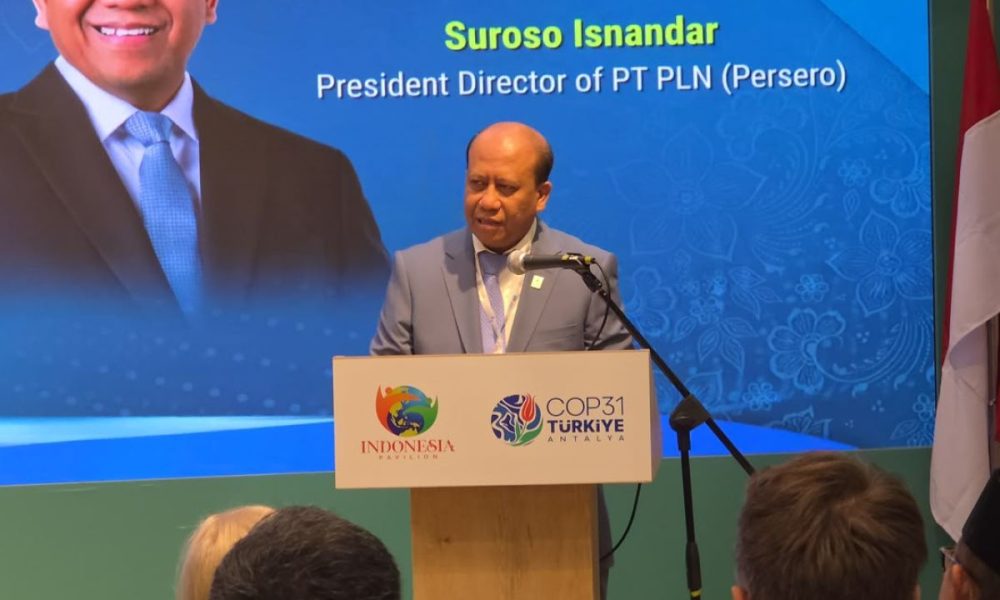
Indonesia’s state-owned electricity company PLN secured six power purchase agreements (PPAs) and two letters of intent for new and renewable energy projects at the 31st UN Climate Change Conference (COP31) in Antalya, Türkiye.
Quick Skim
PLN President Director Suroso Isnandar said the agreements reflect the implementation of the 2025–2034 Electricity Supply Business Plan (RUPTL), according to ANTARA News.
Hydropower, Solar and Wind Projects Covered
The projects include the 18 MW Redelong hydropower plant, the 45 MW Pakkat-2 hydropower plant, the 20 MW Besai-2 hydropower plant and the 95 MW Salu Uro hydropower plant.
They also cover the 5 MW Timor-1 solar power plant, the battery energy storage system (BESS)-integrated 0.6 MW Betun solar power plant and the BESS-integrated 10 MW Sumbawa-Bima solar power plant.
BESS-integrated wind power plants with capacities of 70 MW and 60 MW in southern Sulawesi are also included.
Commercial Contracts for Project Development
Isnandar described the signing of the agreements as a crucial step toward ensuring that renewable energy projects progress from procurement to investment realisation and construction.
“We continue to encourage renewable energy procurement processes to result in commercial contracts that provide certainty for all parties, enabling project development to move forward with confidence,” he said.
Time-Based Certificate Initiative With Princeton Digital Group
In addition to expanding clean energy capacity, PLN is working to strengthen the credibility of green electricity development while meeting the needs of industrial customers, including through a time-based renewable energy certificate initiative with Princeton Digital Group.
The initiative enables renewable energy attributes to be matched with the timing of electricity generation and consumption, providing industries and data centres with more transparent access to green electricity.
Photo: ANTARA/HO-PLN