
Six Japanese Carmakers Plan Over THB134 Billion Investment in Thailand by 2030
Six Japanese carmakers will invest more than THB134 billion in Thailand from 2026 to 2030, focusing on electrified vehicles, automation and local supplier development.

Six Japanese carmakers announced plans to invest over THB134 billion in Thailand between 2026 and 2030 to upgrade production capacity and develop new vehicle technologies, aligned with the country’s updated automotive excise tax policy.
Quick Skim
Investment Targets Electrified Vehicles and Automation
The planned investments by Honda, Mitsubishi, Mazda, Nissan, Toyota and Isuzu focus on producing electrified vehicles (xEVs), including battery electric vehicles (BEVs), hybrid electric vehicles (HEVs), plug-in hybrid electric vehicles (PHEVs) and fuel cell electric vehicles (FCEVs). The carmakers also intend to enhance automation in their production lines and localise key component manufacturing.
Honda will accelerate Smart Hybrid development, combining fuel-saving hybrid technology with “Smart Car” features. Mitsubishi aims to advance technologies for HEVs and PHEVs in pick-ups and passenger vehicles. Mazda plans mild hybrid electric vehicles (MHEVs) production line upgrades and to prepare for BEVs. Nissan is set to expand its supply chain and workforce skills to improve competitiveness.
Toyota plans to diversify Thai production towards HEVs, BEVs and hydrogen FCEVs, including establishing Thailand as a production base for a new FCEV pick-up for export markets. Isuzu seeks to maintain strength in pick-ups and commercial vehicles, working on battery electric pick-ups, hydrogen fuel cell trucks and promoting biodiesel fuels such as B20 and testing B30 blends.
Local Supplier Networks and Workforce Development Prioritised
The Japanese carmakers highlighted the importance of developing local parts suppliers, engineering and technical skills to support new vehicle models and advanced manufacturing technologies. They aim to increase domestic value added through technology transfer and expanded supplier capabilities, especially in electric drivetrains and electronic components.
From 2021 to September 2026, Japanese investors applied for investment promotion for 367 automotive projects in Thailand worth more than THB79 billion, more applications than in any other sector.
Updated Excise Tax Structure Guides Investment Decisions
The Thai government’s revised vehicle excise tax policy, effective from 1 January 2027, sets a 35% duty on fully imported BEVs and range-extended electric vehicles (REEVs) without local production bases. Vehicles produced in Thailand or from local production bases will receive tax treatment linked to investment scale, employment and local parts use.
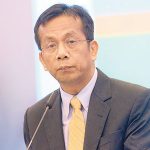
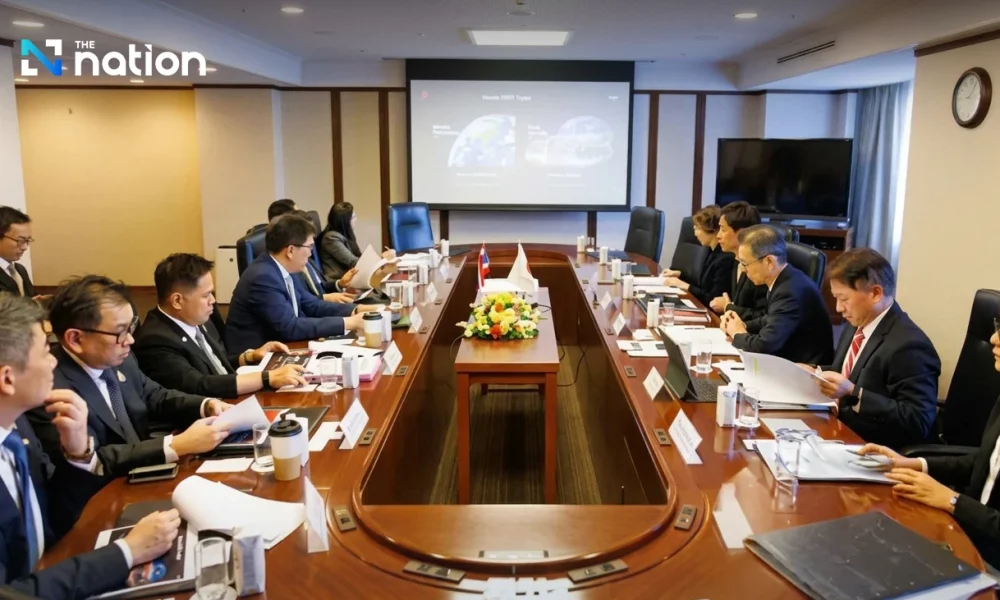
Finance Minister Ekniti Nitithanprapas held the talks with the carmakers in Tokyo on 20 November, joined by Industry Minister Varawut Silpa-archa. The executives said the tax structure gave them a clearer view of how to invest and expand production in Thailand.
The manufacturers requested increased flexibility in domestic production rules for HEV components and BEV parts to adapt supply chains and manufacturing capacity. They also proposed mechanisms to revive the slowing domestic pick-up truck market, including vehicle trade-in schemes and CO2 emissions–based incentives.
Additionally, carmakers suggested reducing duplicated standards inspections and customs procedures, alongside clear timelines for Euro 6 emissions enforcement and adherence to EV3.0 and EV3.5 production offset schemes.
BOI Coordination Supports Industry Expansion
The Board of Investment (BOI) will coordinate with relevant agencies to evaluate proposals ensuring alignment with Thailand’s goals of increasing local value addition, supporting supplier readiness and managing technological transitions. The BOI also emphasised connecting planned investments with local parts makers and workforce skill development to sustain long-term industrial growth.
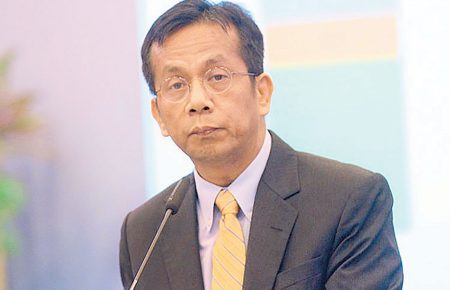
Narit Therdsteerasukdi, BOI secretary general, affirmed the Japanese carmakers’ confidence in Thailand as a production and export base and their commitment to investing based on the revised tax framework and policy support.
Photo: Nation Thailand