


South Korea Plans 269.6 Billion Won Investment in Smart Factories in 2027
The Ministry of SMEs and Startups will invest 269.6 billion won in 2027 to support 1,021 companies in adopting smart factory technologies.

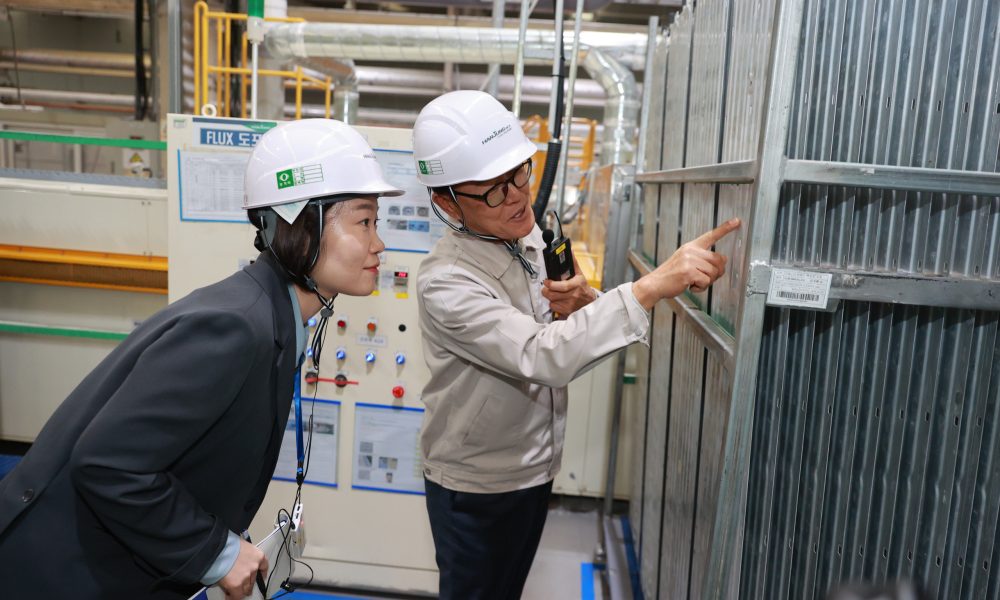
The Ministry of SMEs and Startups (MSS) will spend 269.6 billion won in 2027 to help 1,021 South Korean companies build smart factories.
Quick Skim
MSS Consolidates Four Smart Factory Support Categories
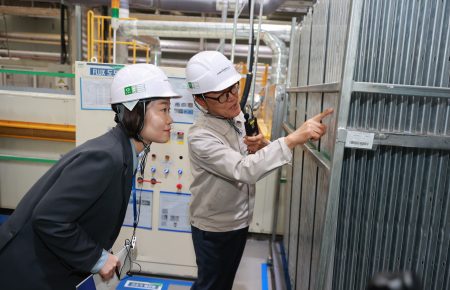
Applications for the 2027 smart factory development support programme open on 7 December 2026 and close on 6 January 2027, after the ministry consolidated the application schedules of four programmes previously announced separately. The support programme is divided into four categories: a general government programme, a manufacturing AI programme, autonomous factories and a collaborative AI transformation (AX) flagship model. Selected companies will receive support for the cost of installing factory operating software that uses AI and information and communications technology, as well as connected automation equipment and sensors.
Support limits vary between 200 million and 1.2 billion won per company, depending on the depth of digitalisation and AI integration in their operations.
New Physical AI Category Targets Automation Planning
A new category for physical AI deployment on factory floors will aid small and midsize manufacturers to assess production sites and create automation roadmaps. MSS will offer consulting and training services tied to the “Everyone’s AI Factory Manager” system, developed by the Ministry of Science and ICT following pilot tests in North Jeolla and South Gyeongsang provinces.
Collaboration with Large Companies to Share AI Infrastructure
The collaborative AX flagship model will expand, involving 19 large companies this round. These corporations have signed an “AI transformation partnership agreement” with MSS and related bodies to support smaller suppliers in integrating AI technologies into their management and manufacturing processes.
Expert Guidance and Training
During the development phase, a panel of experts will help companies plan how to collect and use manufacturing data in line with the national standard (AAS). After the factories are built, newly hired workers will receive on-site training linked to a programme to develop smart manufacturing professionals, and the post-completion monitoring period will increase from three to five years.
The Ministry of SMEs and Startups will work with relevant ministries and local governments to support emerging growth sectors, including food, cosmetics, medical products and defence.
Kwon Soon-jae, director of regional business policy at MSS, said, “We structured the smart factory development programme by industry, region and level, taking into account the needs of small manufacturers on the ground. We will work to strengthen the smart manufacturing innovation ecosystem by developing suppliers, creating a virtuous cycle for manufacturing data and training specialists.”
Photo: Ministry of SMEs and Startups/Chosunbiz