
Shell Begins Gas Production from Rosmari-Marjoram Offshore Sarawak as Southeast Asia Expands Energy Supply
Shell has initiated gas production from the Rosmari-Marjoram fields offshore Sarawak; gas will be processed onshore and supplied to Malaysia's LNG complex.

Sarawak Shell Berhad has commenced gas production from the Rosmari and Marjoram fields located approximately 220 km off the coast of Sarawak, Malaysia, marking a significant development in the region’s energy sector.
Quick Skim
Offshore Development Includes Unmanned Platform and Long Pipeline
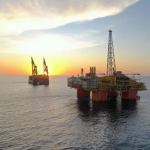
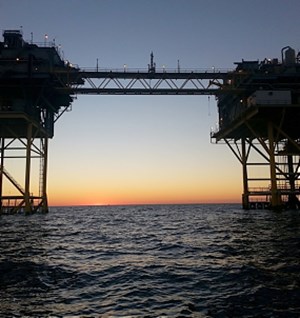
The gas fields, lying in about 800 m of water, were discovered in 2014 and contain sour gas, with hydrogen sulfide removed at a new onshore gas processing plant in Bintulu. The development features a subsea tieback, a 207-km pipeline to shore, and an unmanned wellhead platform that is powered by solar energy, with battery storage capable of sustaining operations for three days and diesel generators as a backup.
Onshore Processing Supported by Renewable Energy Sources
The Bintulu gas plant is Shell’s largest onshore project in Sarawak since the late 1970s. It primarily utilises hydropower from the local grid and is supplemented by renewable energy certificates to meet its power requirements.
Shell took the final investment decision for the project in September 2022. The company operates the development with a 71% interest alongside partners Petronas Carigali, INPEX Malaysia E&P, and SEARAH (Malaysia), with INPEX having acquired its stake earlier in 2026.
Peter Costello, Shell’s president of upstream, noted that the project will support production growth into the 2030s and leverages extensive experience to bring new gas supplies online efficiently and competitively.
Implications for Regional Energy and Industrial Operations
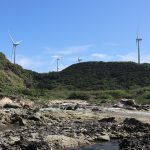
The addition of the Rosmari-Marjoram gas supply will contribute to the feedstock availability for the Petronas LNG Complex, thus sustaining Malaysia’s LNG production capacity. The use of renewable energy on both offshore and onshore facilities highlights a trend towards integrating decarbonisation measures within energy infrastructure projects in the Asia-Pacific region.
Operations will benefit from automation and remote management enabled by the unmanned platform, potentially reducing the on-site workforce and associated safety risks in offshore environments.
Looking ahead, ongoing production from these fields will be an important factor in the region’s energy planning and supply chain management through the 2030s, with continued attention to integrating renewable energy within hydrocarbon production processes.