
Philippines Forecasts 6.5GW Battery Storage Capacity Growth by 2028
The Philippines is projected to add around 6.5GW of battery energy storage systems by 2028, supporting its transition to renewable energy under Department of Energy requirements.

 default
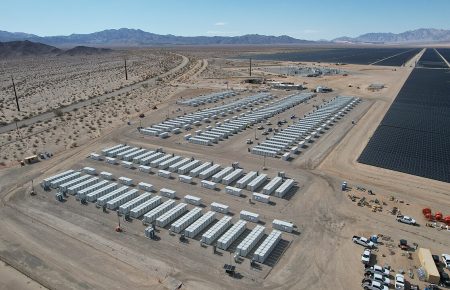
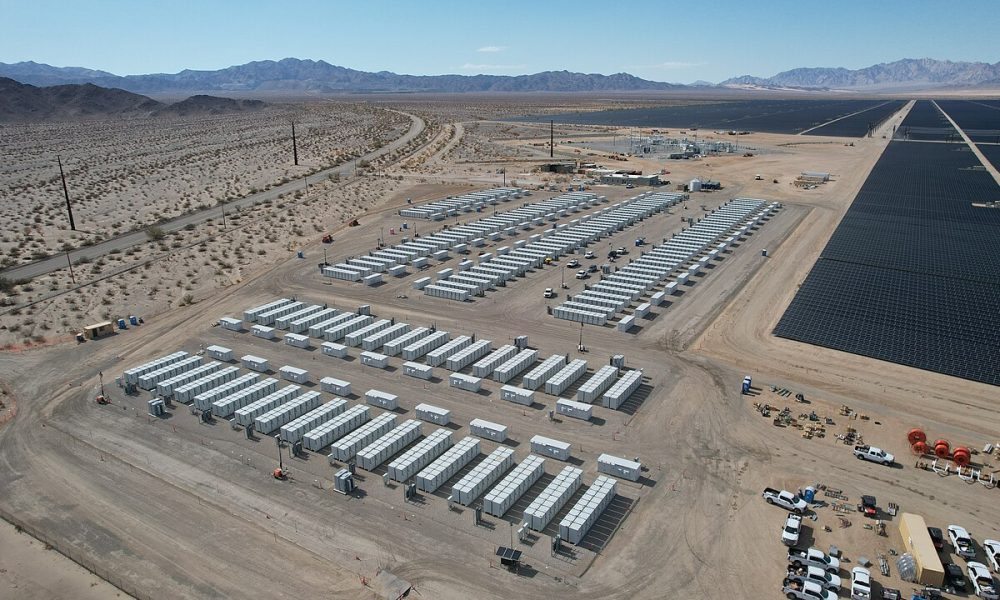
Energy research firm Aurora Energy Research forecasts approximately 6.5 gigawatts (GW) of battery energy storage system (BESS) capacity will be installed in the Philippines by 2028, driven by the government’s shift to renewable energy. This projection aligns with the Department of Energy’s (DOE) mandate that new power projects with at least 10 megawatts (MW) capacity, such as solar and wind, incorporate battery storage to optimise power utilisation during periods of low generation.
Quick Skim
BESS Growth Expected to Accelerate in 2027 and 2028
Aurora Energy Research’s Patrick Tan, head of Wider Asia Pacific, noted that BESS capacity is expected to increase by 2.5GW in 2027 and an additional 0.8GW in 2028. He cautioned that while capacity will grow, the pace aligns with existing committed projects, reflecting practical constraints on developers’ ability to deliver beyond current commitments in a short timeframe.
DOE Mandate Drives Market Complexity and Data Requirements
Tan explained that the DOE’s requirement to include BESS with renewable projects introduces increased complexity in developing the business case for battery storage in the Philippines. He highlighted that market maturity now demands the application of advanced data analytics for developers, investors, and lenders to evaluate and finance renewable, BESS, and hybrid projects effectively.
“Our view is aligned with DOE’s latest committed plant list because it is not sensible for the model to build ‘more’ BESS in the system,” Tan said, indicating cautious optimism towards a measured rollout that avoids oversupply.
BESS to Constitute Significant Share of Renewable Capacity
According to Aurora’s Central forecast, BESS capacity relative to renewable generation capacity is expected to remain above 20 percent up to 2060. This ratio reflects the critical role of battery systems in stabilising the grid and ensuring consistent power availability as renewable penetration grows.
Strategic Placement of Battery Systems Essential for Grid Efficiency
Tan emphasised that the current grid infrastructure means battery storage projects must be strategically located to be effective. For example, installing substantial BESS capacity on Negros island offers limited benefit to consumers on Cebu island due to congestion in inter-island subsea cables. This constraint impacts energy transport and highlights the importance of targeted deployment.
Market Conditions Will Influence Battery Storage Viability
Launched in October, Aurora’s Philippines Flexible Energy Forecast Add-on service aims to provide insights into the evolving market conditions affecting BESS project returns. Factors such as price volatility, deployment of other flexible technologies, and project sizing are all variables influencing the financial feasibility of battery storage installations.
Photo: blmcalifornia / Wikimedia Commons (Public domain)