



US AI Chip Export Rule Restricts $12 Billion Thai Capacity, Singapore Seeks Access
US rule on AI chip exports impacts $12 billion of Thai data centre capacity targeting China; Singapore studies impacts and pursues regulated access for its firms.

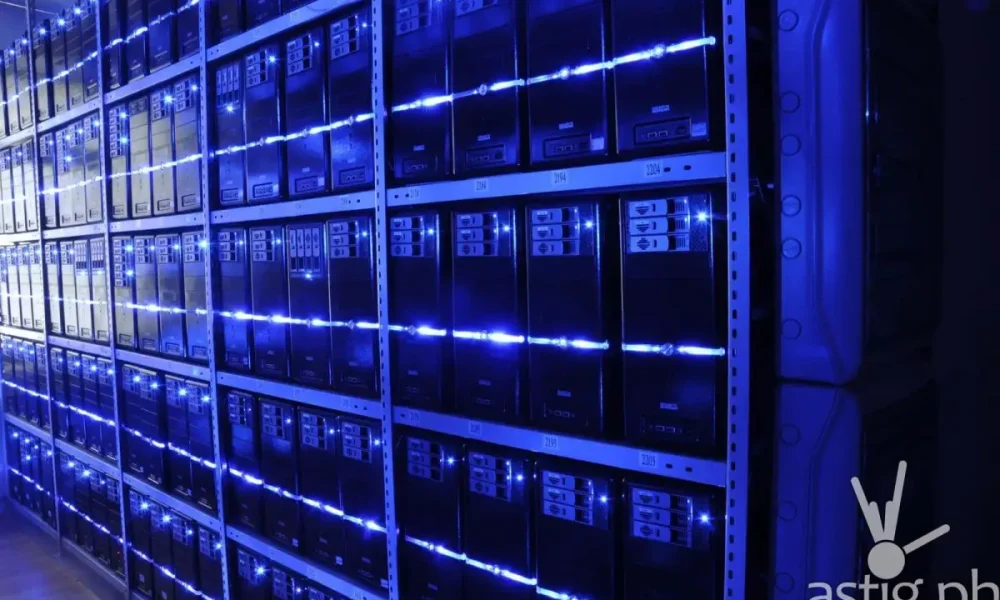
The United States imposed export controls restricting Chinese access to American AI computing resources rented via Southeast Asian data centres, a move affecting an estimated $12 billion to $18 billion worth of AI computing capacity planned in Thailand and prompting Singapore to seek “trusted access” assurances for its companies.
Quick Skim
Thailand AI Capacity Pipeline Faces Licensing Checks
The Thai Data Center Association estimates around 300 megawatts of GPU compute capacity, equating to roughly $12 billion to $18 billion in capital expenditure, intended primarily for Chinese end users, is now subject to US export licensing. This pipeline had been scheduled to enter operation within 12 to 18 months but has been effectively paused for Chinese customers following the rule announced on 16 November 2026 by the US Department of Commerce.
According to Supparat Sivapetchranat Singhara Na Ayutthaya, the vice chairman of the association, this constraint may redirect capacity towards US customers due to slower data centre approvals within US states. Tim Leelahaphan of Standard Chartered noted that as about 70 percent of Thailand’s technology infrastructure value depends on imported hardware, these restrictions could limit the sector’s growth potential.
Singapore Engages US Authorities, Assesses Industry Impact
Singapore’s Ministries of Digital Development and Information, and Energy, Trade and Industry, issued a joint statement confirming detailed study of the measure and engagement with affected companies. Singapore also conveyed to US authorities a desire to facilitate “trusted access” for Singaporean firms, while upholding compliance with international export laws.
The practical impact is differentiated; major US cloud hyperscalers like Amazon, Microsoft, and Google are exempted, whereas other data centre operators face licensing regimes. Singtel, operator of the sovereign RE:AI platform with a capacity of 6 megawatts, reported minimal exposure as its activities serve only Singapore’s public sector without chip re-exportation.
Market Reactions and Outlook
Shares of Singapore-listed data centre real estate investment trusts and related technology firms declined following the announcement as investors price in potential reductions in regional demand and increased licensing complexity. Industry analysts indicated this measure represents a significant elevation in export controls, extending restrictions from hardware exports to access to AI computing power itself.
Experts suggest the rule complicates development economics by limiting utilisation from hyperscale Chinese clients. The upcoming 60-day comment period may provide an opportunity to influence implementation details, but a substantial rollback is considered unlikely.
Implications for Southeast Asia’s Industrial Operations
The rule affects supply chains by imposing export licences on AI hardware and cloud compute capacity in five countries, including Singapore, Malaysia, Thailand, and Indonesia. This introduces new operational constraints for data centre providers offering AI services to Chinese clients. The shift may slow speculative infrastructure expansion but could also recalibrate regional demand towards US and allied markets.
For technology and infrastructure managers, the rule necessitates rigorous compliance frameworks and could prompt adjustments in procurement, capacity planning, and customer engagement strategies. Supply chain diversification and transparent licensing processes will be critical to maintaining service continuity amid evolving geopolitical trade controls.
Moving forward, industry participants and governments will monitor three key developments: Federal Register publication marking enforcement start, initial licensing decisions that set operational precedents, and government responses ranging from compliance to challenges or requests for exemptions.