




Singapore Tops DNV Maritime City Ranking with Record 44.66 Million TEUs Handled
Singapore leads DNV’s 2026 maritime city ranking for the seventh time, driven by record port throughput and marine fuel sales.

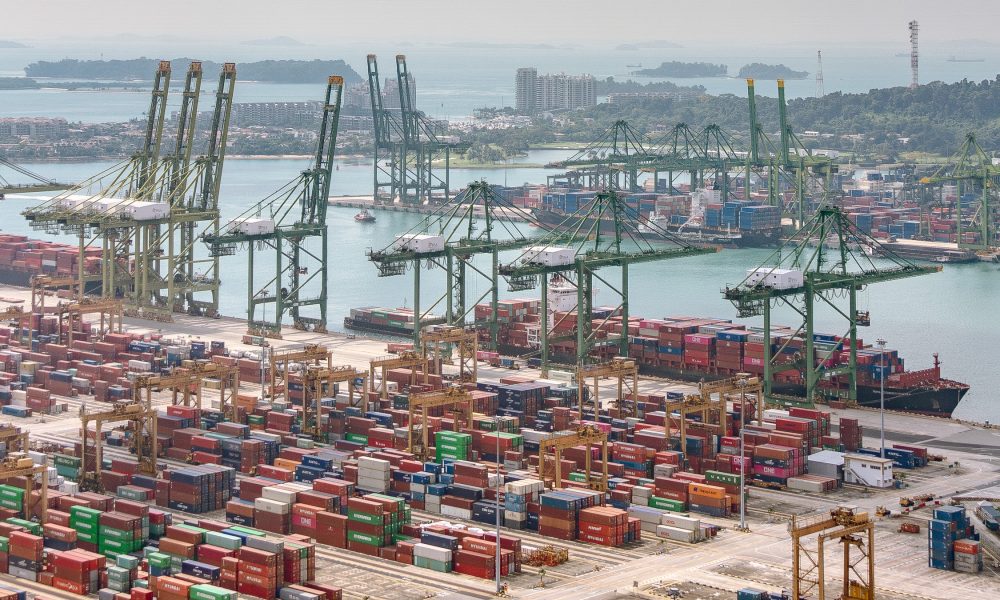 Photo: Wikimedia Commons / Aaaatu (CC BY-SA 4.0)
Singapore has been ranked the world’s leading maritime city in the 2026 DNV and Menon Economics report for the seventh consecutive edition, supported by record port volumes and fuel sales that highlight its position in global shipping.
Quick Skim
Singapore Leads on Shipping, Ports, and Competitiveness
The city-state ranked first in three of the five assessed pillars: Shipping, Ports and Logistics, and Attractiveness and Competitiveness. In 2025, the Port of Singapore handled a record 44.66 million twenty-foot equivalent units (TEUs) and vessel arrivals reached a total gross tonnage of 3.22 billion. Additionally, Singapore remained the world’s largest bunkering port with record marine fuel sales of 56.77 million tonnes.
More than 200 international shipping organisations are headquartered in Singapore, and the port maintains connections to over 600 ports worldwide. This extensive network supports Singapore’s lead in maritime activity and connectivity.
Technology and Finance Pillars Remain Open
Singapore did not rank first in the Maritime Technology or the Maritime Finance and Law pillars, areas increasingly relevant for companies deciding where to locate digital and technical teams. According to Maritime and Port Authority of Singapore (MPA) Chief Executive Ang Wee Keong, continued investment in port automation, digitalisation and alternative fuel initiatives is critical to maintaining the port’s competitiveness.
The scale of Singapore’s operations generates substantial operational data, facilitating digital port call and fuel reporting tools. Fleet operators calling regularly at Singapore will experience benefits in turnaround efficiency and documentation, with automation investments reducing administrative burdens and process times.
Implications for Industry Operators
The report underscores Singapore’s strength in volume handling, connectivity, and operational ease, factors that influence supply chain efficiency and maritime services. Operators should consider how their systems integrate with Singapore’s port platforms and prepare for potential changes to digital reporting and bunkering requirements. The port’s status as a key hub for transhipment and bunkering means technical interoperability and adaptability remain important.
Looking ahead, the maritime sector will observe whether Singapore advances in maritime technology and finance alongside its established operational advantages, which will affect future competitiveness in Asia-Pacific.