

Vietnam Explores National Industrial and Energy Center Model for Integrated Growth
A Hanoi seminar outlined plans for Vietnam’s National Industrial and Energy Center to integrate value chains and enhance energy security by 2030.

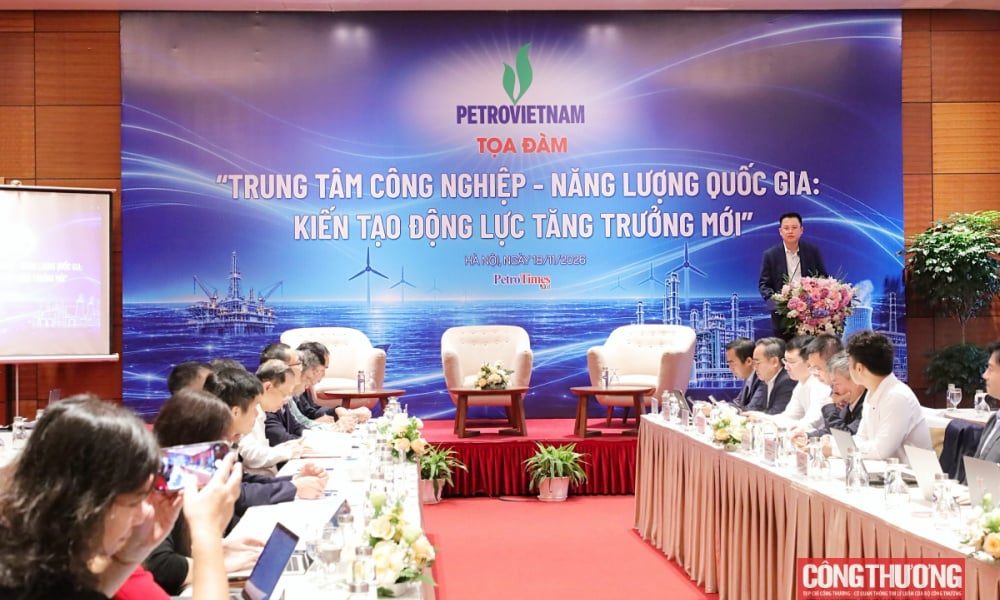
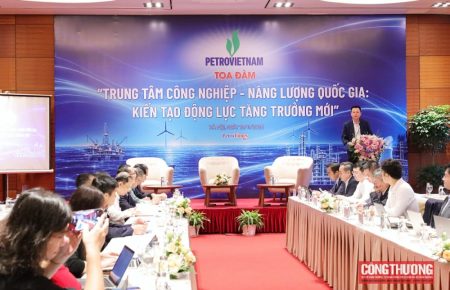
On 18 November 2026 in Hanoi, New Energy Magazine and PetroTimes held a seminar titled “National Industrial and Energy Center: Creating New Growth Drivers,” addressing the integration of resources, value chains and development spaces for industrial-energy centres in Vietnam.
Quick Skim
Shift Towards Integrated Industrial-Energy Ecosystems
Dr Du Van Toan of the Institute of Meteorology, Hydrology, Environment and Marine Sciences (Ministry of Agriculture and Environment) presented a model transitioning from separated power plants and industrial zones to an integrated approach linking renewable energy sources with manufacturing, seaports and logistics hubs. This integration aims to optimise energy supply while supporting symbiotic industrial ecosystems that share infrastructure and recycle resources to reduce costs and increase efficiency.
He cited examples from Denmark’s Esbjerg port, the UK, Germany and China, noting the importance of coastal locations with port access near energy and industrial customers for successful renewable energy industrial centres.
Core Enterprises Driving Industrial and Energy Linkages
Mr Mai Tuan Dat, Deputy General Director of Vietnam Refining and Petrochemical Corporation (BSR), discussed the role of the Dung Quat Refinery, which has produced over 103.5 million tons and contributed 245 trillion VND to the state budget in nearly 20 years. BSR aims to evolve from fuel production into a core enterprise connecting industrial and energy value chains in Dung Quat.
BSR is advancing a refinery upgrade project with an investment of VND 36,397 billion to raise capacity to 171,000 barrels per day, alongside plans for a 6-7 million ton per year petrochemical complex and diverse sustainable fuels including E10 gasoline, sustainable aviation fuel, biodiesel and synthetic fuels. The company also promotes shared infrastructure such as ports, pipelines and utilities to support satellite projects and connectivity.
Developing Technical and Manufacturing Support Services
Representatives from Vietnam Petroleum Technical Services Corporation (PTSC) highlighted the need for a comprehensive industrial ecosystem covering design, manufacturing, installation, operation and maintenance. Leveraging expertise from oil and gas, PTSC has expanded into offshore wind fabrication, transport and services.
PTSC is building port facilities, fabrication yards, a fleet and workforce capabilities to act as core shared infrastructure, connecting investors and contractors, increasing localisation, securing supply chains, lowering logistics costs and creating skilled employment.
Financial, Policy Challenges and Implementation Principles
BSR estimates that establishing the National Industrial and Energy Center will require between US$16.1 billion and US$20.5 billion, with US$14 billion to US$17.5 billion needed by 2030. The company proposed ten groups of mechanisms covering investment, land use, taxation, credit, human resources and decentralised management to attract and support investors.
PTSC identified challenges including limited domestic orders, large upfront infrastructure costs, long payback periods and shortages of skilled technical staff. It called for early deployment of domestic offshore wind projects, integrated planning across power, marine, port and land use, targeted infrastructure investment mechanisms and a localisation roadmap to boost domestic capacity and retain investment.
Dr Nguyen Quoc Thap, Chairman of the Vietnam Petroleum Association, summarised three key requirements: adopting an ecosystem mindset linking infrastructure and business for a value chain; implementing flexible, iterative mechanisms that connect core enterprises with supporting industries and domestic technology development; and applying measurable performance indicators such as energy efficiency, productivity and economic contribution.
The seminar organising committee will consolidate expert findings and practical feedback to advise state agencies, supporting the refinement of policies and mechanisms for the centre’s development.