





NYK and Partners Develop Remote Ship Emissions Monitoring at Yokohama Port
NYK and seven Japanese partners begin trials on non-contact technology to measure greenhouse gas emissions from ships using optical sensors at Yokohama Port.

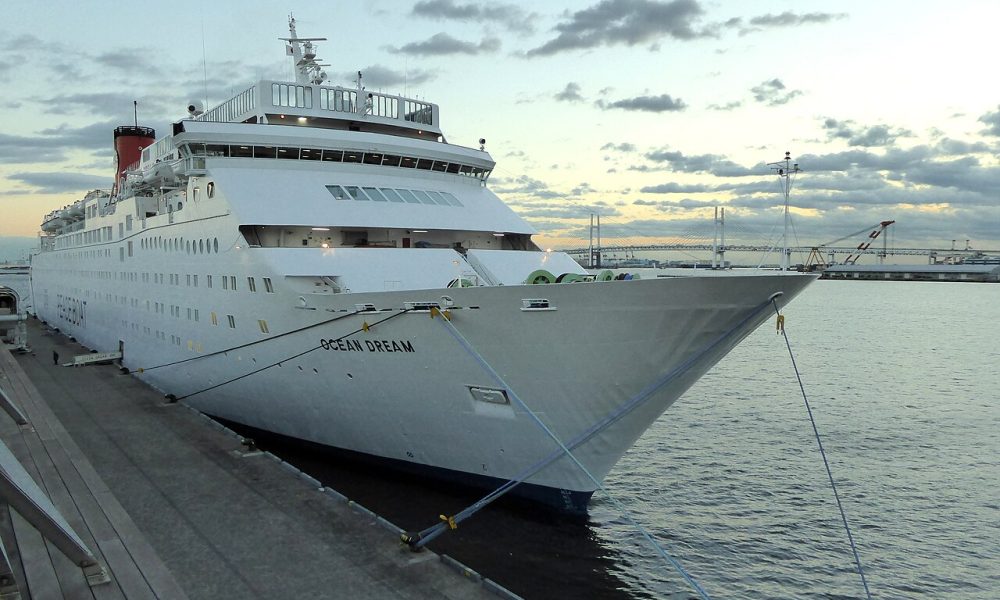
NYK and seven other Japanese organisations have signed an agreement to develop remote sensing technology capable of measuring greenhouse gas (GHG) emissions from ships, with Yokohama Port serving as the main testing location.
Quick Skim
The agreement brings together NYK, MUFG Bank, Nagoya Electric Works, ArkEdge Space, Shimizu Corporation, the City of Yokohama, Yokohama-Kawasaki International Port Corporation and Yokohama Port Corporation.
Contactless Measurement of Ship Emissions
The project, named True Emission Eye – Maritime, aims to establish a system for measuring and quantifying ship emissions without requiring physical contact with vessels. The technology is intended to provide an independent means of verifying emissions, complementing existing calculations based primarily on fuel types and consumption.
The system uses the properties of greenhouse gases, including carbon dioxide, to absorb and emit light at specific wavelengths. Optical observation technology captures data from vessel exhaust emissions, which is then analysed alongside variables including the distance to the vessel and prevailing weather conditions to calculate emissions.
Trials at Osanbashi and Yokohama Bay Bridge
Trials have already been conducted using experimental facilities and vessels operated by the NYK Group, both at berth and underway. At Yokohama, observations have been made from locations including Osanbashi passenger terminal and the Yokohama Bay Bridge Skywalk, with captured images compared against operational data from the vessels.
The latest agreement will support further testing under different operating conditions to establish measurement accuracy and determine the specifications and practical applications of the system.
Fixed Port Stations, Drones and Satellites
The participants are also examining the potential for fixed observation points at ports and the technical requirements for extending the monitoring capability to satellites. The longer-term objective is to enable emissions from individual vessels to be monitored across wider geographical areas using drones and satellite-based observation.
Source: Smart Maritime Network
Photo: Hiroki Ogawa/Wikimedia Commons, CC BY 3.0