


Philippines Targets Nuclear Plant Bidding in June 2027 as Seven Potential Sites Identified
The Philippines plans to open bidding for a nuclear power project in June 2027 and select a winner by December, with first power targeted for 2038 and seven potential sites identified across five...

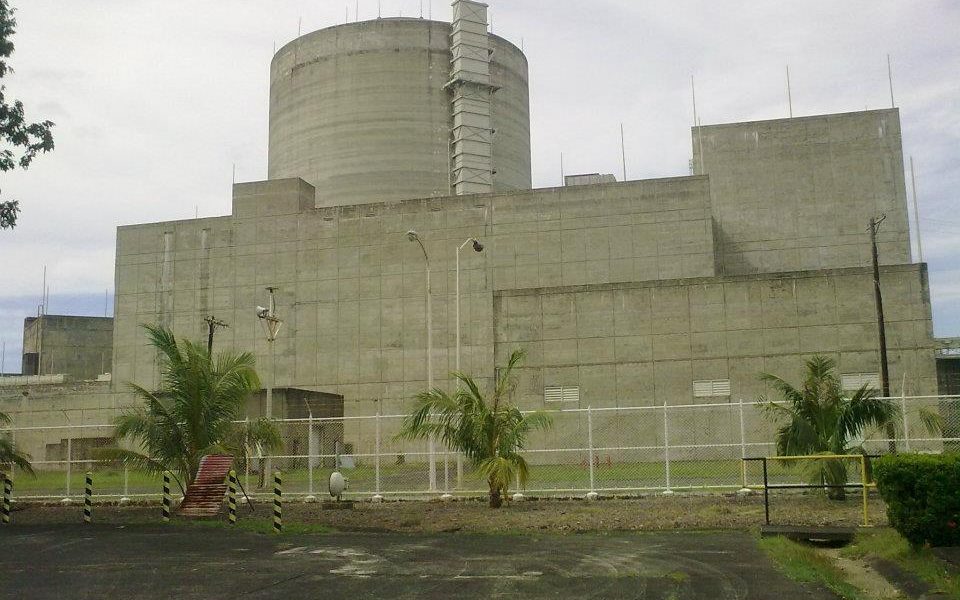 Photo: Jiru27/Wikimedia Commons
The Philippines plans to open bidding for a nuclear power project in June 2027 and pick a winning bidder by December that year, under a draft timetable from the Department of Energy (DOE), with first electricity targeted for 2038.
Draft Timetable
Patrick Aquino, director of the DOE’s Energy Utilization Management Bureau, told The Straits Times the country is moving beyond policy discussions towards institution building and project preparation.
The Philippine Energy Plan (2023–2050) envisions 1,200 MW of nuclear capacity initially, rising to 4,800 MW by 2050, alongside expanded wind and solar power. Aquino said a large project would need several billion dollars in investment, with the government exploring private-sector participation and public-private partnerships.
Sites and Technology
The DOE has identified seven potential sites across five provinces: Bataan, Palawan, Masbate, Pangasinan and Camarines Norte. None has been formally selected, and site-specific seismic and volcanic investigations would be required before approval.
Energy Secretary Sharon Garin said on 20 November the Philippines is exploring nuclear technologies from the United States, Russia, Canada, Japan and South Korea, including those offered by Russian state-owned Rosatom. The country is also looking at small modular reactors, which can be deployed incrementally as electricity demand grows.
Bataan Nuclear Power Plant
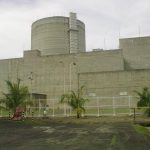
One of the proposed sites is the mothballed 621 MW Bataan Nuclear Power Plant, designed by Westinghouse, built from 1976, completed in 1984 and left idle in 1986. State-run National Power Corporation (Napocor) maintains it with 15 personnel, 46 utility workers and about 50 security staff, at a cost of 40 million to 50 million pesos a year.
South Korean assessments in 2010 and 2017 estimated rehabilitation would cost around US$1 billion and take four years, though Napocor’s division manager Noel Germano said the estimates are now dated. Aquino said reviving the plant is not a predetermined outcome and it would have to pass safety, technical, economic and financing tests.
Regulatory Groundwork
A 2025 law established the country’s independent nuclear regulator, but its staffing and licensing regulations remain unfinished. Nuclear emergency response arrangements and infrastructure for spent fuel and radioactive waste are also still to be completed. Activists in Bataan continue to oppose the plant’s revival, citing its proximity to Mount Natib and nearby fault lines.
Photo: Jiru27/Wikimedia Commons


No Comment! Be the first one.