



Vietnam Develops Battery Storage to Balance Growing Renewable Electricity Supply
Vietnam is prioritising battery energy storage systems to manage solar power variability, with the Prime Minister asking for peak-hour load to be cut by at least 3,000 MW.

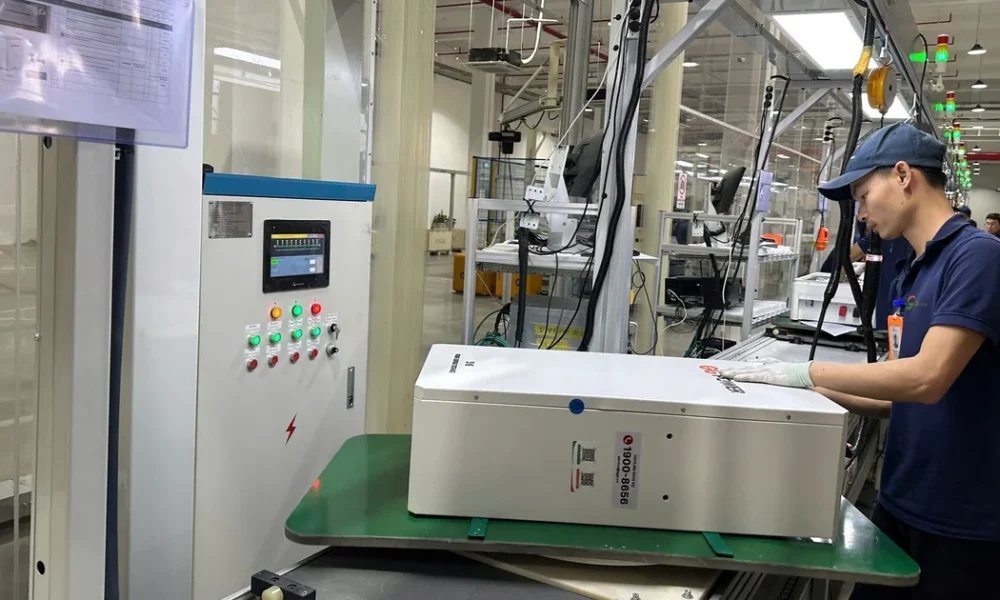
Vietnam is advancing the development of battery energy storage systems (BESS) to address the mismatch between solar power generation and electricity demand, easing strain on the national power grid amid rapid renewable energy growth.
Quick Skim
Renewable Energy Growth Creates Grid Balancing Challenges
Vietnam’s accelerating adoption of renewable energy sources, particularly solar and wind power, presents operational challenges for the national power system due to their inherent weather-dependent variability.
Nguyen Anh Tuan, Vice President of the Vietnam Energy Association, said at the Renewable Energy Media Roundtable on 28 November that while solar power production peaks during midday, electricity demand rises strongly in the evening. This temporal discrepancy creates localized surpluses that cannot be directly shifted to peak hours without effective storage or balancing solutions.
As renewable energy accounts for a growing share of Vietnam’s supply, maintaining reliable dispatch and transmission becomes increasingly complex. Without flexible balancing tools, the power system risks facing power surpluses during off-peak daytime hours and shortages during peak evening periods, impacting grid stability.
Battery Storage Systems Provide Flexibility and Reliability
BESS can store excess electricity generated during low-demand periods and release it when demand peaks. According to Nguyen Anh Tuan, the near-instantaneous response capabilities of BESS enable them to support frequency and voltage regulation, load balancing, and improve the reliability of the power system. This reduces the need for costly grid expansion solely to accommodate peak loads lasting a few hours each day.
At the consumer level, integrating rooftop solar with battery storage allows households to increase self-consumption and reduce reliance on the grid, lowering electricity costs. For businesses, especially exporters with sustainability targets, storage systems offer the ability to optimise green energy usage and minimise electricity expenses by leveraging time-of-use pricing.
National Targets for Energy Storage and Rooftop Solar
The revised Power Development Plan VIII targets that by 2030, half of all office buildings and residential homes in Vietnam will use self-generated, self-consumed rooftop solar power. Additionally, the Prime Minister’s Official Letter No. 10790/VPCP-CN requests accelerating energy storage system development, aiming to reduce peak-hour load by at least 3,000 MW.
The Ministry of Industry and Trade has been assigned to develop incentive mechanisms that promote energy storage and encourage rooftop solar-battery combinations. These policies aim to facilitate investment and integration of storage technologies into the national grid.
Regulatory and Market Mechanisms Require Further Development
Despite the potential growth, the energy storage sector in Vietnam faces obstacles related to electricity tariffs, financial incentives, grid connection, technical standards and fire safety regulations. Bui Xuan Binh, Chairman and General Director of GG Power Joint Stock Company, noted that ensuring the generated energy can be utilised cost-effectively and securely at the right time and location remains a key challenge beyond simply increasing renewable capacity.
Mr Binh emphasised the need for clear payment frameworks for ancillary services provided by BESS such as frequency regulation and black start. Diversifying revenue streams would reduce investment risks and enhance access to financing for storage projects.
Developing local expertise in energy storage technology, including integrated systems and energy management software, could lower costs and improve supply chain security, said Nguyen Anh Tuan. Vietnamese manufacturers’ ability to produce battery storage equipment is vital to reduce import dependence and safeguard the national energy infrastructure.
Safety is a critical concern due to the high energy density of battery systems. Bui Xuan Binh underscored that rigorous technical standards from design through operation are essential and that cost-cutting should not compromise safety. He also pointed to the importance of lifecycle management and recycling plans for batteries after their operational lifespan.
Photo: Vietnam.vn