






Indonesia Reviews Maritime Safety After Virgo Transport 8 Ferry Capsizes
Indonesia confronts maritime safety challenges following the Virgo Transport 8 ferry disaster, revealing ongoing enforcement and supervision deficiencies.

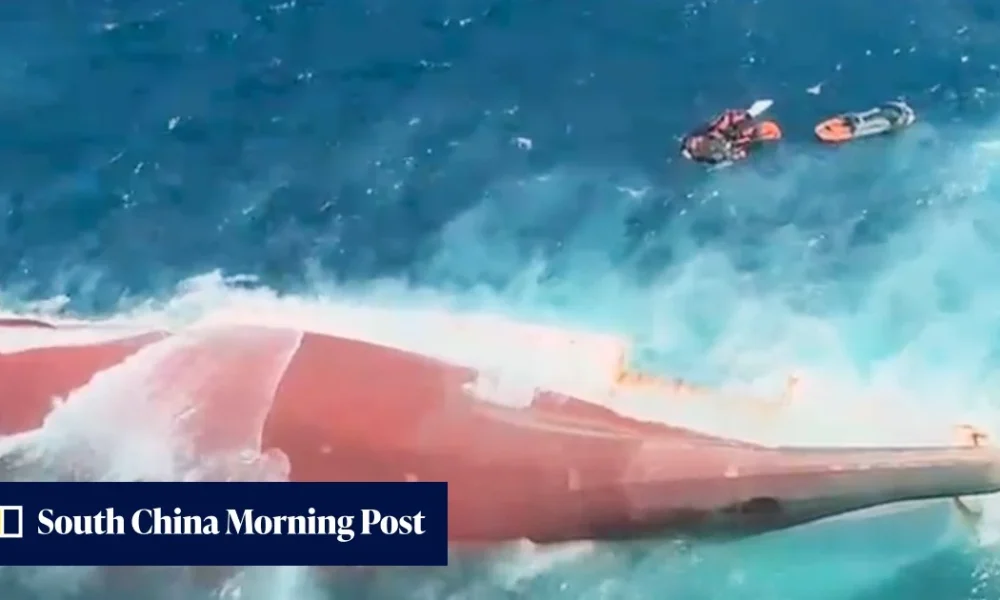
Indonesia has begun reviewing maritime safety oversight after the Virgo Transport 8 ferry capsized in the Java Sea, resulting in six confirmed deaths and 129 individuals missing; the incident underscores persistent gaps in enforcement and supervision within the country’s inter-island ferry operations.
Quick Skim
Capsizing Incident Details and Casualties
The Virgo Transport 8, a combined passenger and cargo ferry, capsized on 13 September while navigating from Surabaya in East Java to Banjarmasin in South Kalimantan. The vessel was reported to be carrying 243 people — including 213 passengers and 30 crew members — when it encountered high winds and rough seas around 2am local time, prompting the captain to report adverse weather conditions.
As of the latest reports, six individuals have been confirmed dead, and 129 remain missing, with ongoing search and rescue efforts continuing to locate survivors and recover bodies.
Maritime Safety Oversight Challenges in Indonesia
Experts have pointed out that the disaster highlights enduring issues in Indonesia’s maritime safety framework, particularly regarding enforcement and supervision. These weaknesses have been described as systemic and persistent, undermining passenger safety across the archipelago’s extensive inter-island ferry network.
Analysts observe that safety regulations and procedures tend to receive significant attention chiefly in the aftermath of fatal incidents, rather than through consistent preventive enforcement.
Impact on Maritime Operations and Safety Standards
The recurring incidents of ferry accidents have implications for industrial operations within the transport sector in Indonesia. Inadequate safety oversight not only increases risk for passengers and crew but also threatens reliability of maritime transport services that connect thousands of islands and support supply chains across the nation.
Maintenance protocols, crew training, vessel condition monitoring, and weather response readiness have been identified as areas requiring improvement to reduce vulnerabilities.
Search and Rescue Efforts Amid Challenging Conditions
Indonesia’s Search and Rescue Agency has led ongoing operations, facing difficult conditions at sea due to weather and rough waters. The scale of the missing persons has intensified demands for coordinated rescue initiatives and resource mobilisation.
Regulatory and Industry Responses
Following the disaster, authorities are expected to reassess current maritime safety policies and enforcement mechanisms. Industry stakeholders and maritime regulators are under pressure to strengthen oversight frameworks to minimise repeat occurrences.
Looking Ahead: Oversight and Safety Improvements
According to experts and officials, monitoring developments in Indonesia’s regulatory enforcement and practical safety interventions will be critical in the coming months. The effectiveness of these measures will determine whether the country can enhance maritime safety and better protect the millions who rely on ferry services for transport and logistics.