




PLN Indonesia Power Begins 4.5-MW Solar Plant Construction in Bali for Energy Reliability
PLN Indonesia Power has started building a 4.5-MW hybrid solar power plant with battery storage in Bali, aiming to enhance renewable generation and electricity supply reliability.

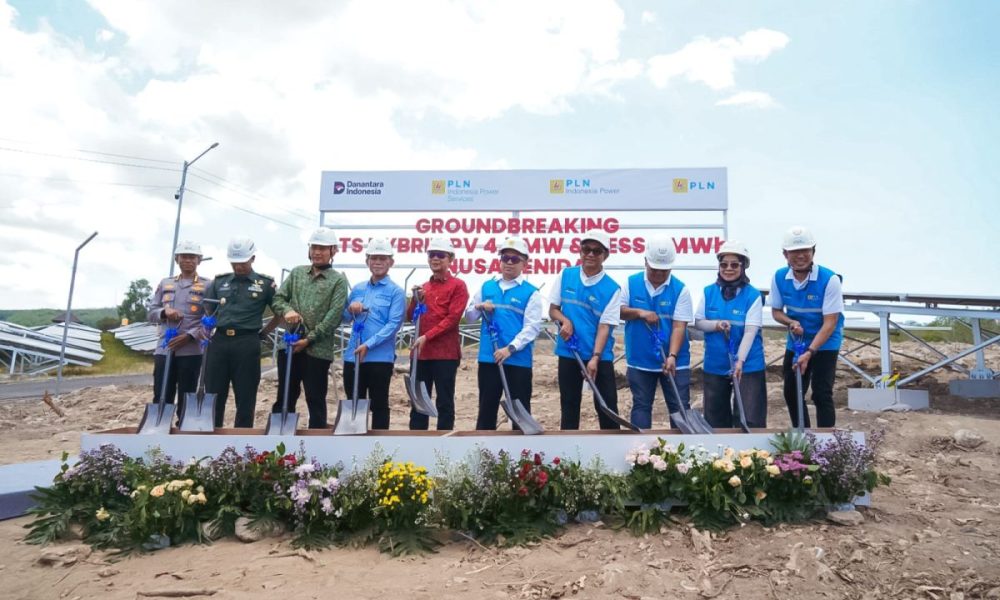
PT PLN Indonesia Power commenced construction on a 4.5-megawatt (MW) solar hybrid power plant integrated with a 9-megawatt-hour (MWh) battery energy storage system (BESS) in Nusa Penida, Bali, to support the local electricity system’s sustainability and reliability.
Quick Skim
- Solar Plant to Generate 8.8 Million kWh Annually
- Integration of Solar Generation and Energy Storage
- Response to Rising Local Electricity Demand
- Technical Specifications and Site Details
- Project Timeline and Strategic Objectives
- Implications for Industrial Operations in Asia-Pacific
- Looking Ahead: Expansion of Renewable Infrastructure
Solar Plant to Generate 8.8 Million kWh Annually
The hybrid solar facility is expected to produce approximately 8.8 million kilowatt-hours of electricity each year. According to Bernadus Sudarmanta, President Director of PLN Indonesia Power, the project represents a strategic move to harness solar energy more effectively, contributing to a cleaner and more dependable power network.
Integration of Solar Generation and Energy Storage
The plant will combine photovoltaic (PV) solar generation with a BESS to enhance energy management. The storage system employs lithium iron phosphate (LFP) battery technology with a capacity of 9 MWh. This setup is designed to improve the flexibility of solar energy utilisation and stabilise electricity supply for residential and commercial users in Nusa Penida.
Response to Rising Local Electricity Demand
Sudarmanta highlighted that electricity demand in Nusa Penida has increased steadily, with a peak load reaching 18 MW in 2026—an increase of 12% from the previous year. This growth demonstrates the need for additional generation capacity that optimises local renewable energy resources.
By integrating the solar plant with the battery system, PLN aims to offer a more efficient and reliable energy supply to accommodate this rising demand.
Technical Specifications and Site Details
The solar plant will cover an area of 8.2 hectares and use 8,608 bifacial monocrystalline PV modules, each rated at 720 watt-peak (Wp). The BESS and solar plant will be controlled through an Energy Management System (EMS) and a Supervisory Control and Data Acquisition (SCADA) system, allowing coordinated operation and energy scheduling.
This integration will enhance operational flexibility, enabling the system to manage energy use more effectively, stabilise output, and supply power during peak demand periods.
Project Timeline and Strategic Objectives
Construction began on 6 June 2026 and is projected to be completed within 12 months. PLN Indonesia Power intends for the project to support the ongoing development of renewable energy infrastructure that meets the dynamic requirements of Indonesia’s electricity grid.
Implications for Industrial Operations in Asia-Pacific
Developments such as this hybrid solar plus battery project signal a shift towards more decentralised and sustainable power solutions within the region’s islands. For industrial and commercial operations, enhanced grid stability and increased renewable penetration can reduce dependency on fossil fuels and improve energy security.
The project also exemplifies how integrating battery storage can support intermittent renewable sources, which is critical for maintaining continuous supply in remote or demand-sensitive locations such as Nusa Penida.
Looking Ahead: Expansion of Renewable Infrastructure
PLN Indonesia Power’s project aligns with the broader national agenda to expand renewable energy usage within the electricity sector. Future developments will likely focus on increasing capacity and improving energy storage capabilities to further stabilise supply and accommodate growing demand throughout Indonesia.
Photo: ANTARA