



Taiwan Uses Semiconductor Strength to Deepen Global AI Supply Chain Partnerships
Taiwan is using its position at the centre of the global semiconductor industry to deepen technology and manufacturing partnerships with the United States and Europe, as pressure grows for more AI...

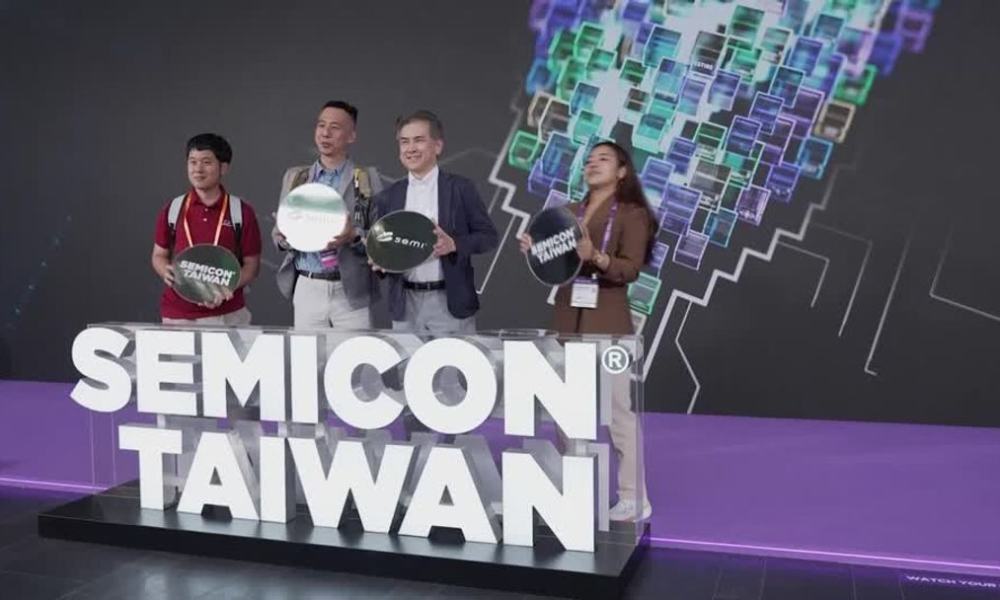
Taiwan is using its position at the centre of the global semiconductor industry to deepen technology and manufacturing partnerships with the United States and Europe, as pressure grows for more AI chip production to be located closer to major overseas markets.
Quick Skim
At SEMICON Taiwan, government officials and industry leaders presented the island as a reliable partner for the global AI supply chain while acknowledging that Taiwanese manufacturers will increasingly need to expand production outside their home market.
Overseas Chip Manufacturing Expands
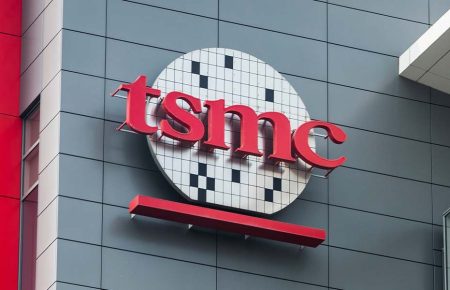
Taiwan’s semiconductor sector remains anchored by companies such as TSMC, whose advanced chips are widely used in AI computing.
At the same time, major customers and governments are pushing for more geographically diversified production.
TSMC is investing around US$265 billion in manufacturing facilities in Arizona, significantly increasing its production footprint in the United States.
Taiwanese companies are also planning another US$20 billion of investment in the US, according to Taiwan’s Economy Minister Kung Ming-hsin.
US Policy Adds Pressure to Localise Production
Taiwan reached an agreement with Washington earlier in 2026 that linked additional US investment with lower export tariffs.
However, semiconductor trade policy remains uncertain, with US officials signalling that companies without manufacturing capacity in the country could face additional tariffs.
The policy environment is pushing chipmakers and suppliers to consider manufacturing strategies that place production closer to customers while retaining links to Taiwan’s technology ecosystem.
Manufacturers Shift Towards ‘Make With Taiwan’
Taiwanese technology companies increasingly see overseas manufacturing as part of their long-term operating model.
Foxconn chairman Young Liu said companies need to move towards manufacturing with Taiwan in the markets where customers are located, rather than concentrating production entirely on the island.
ASE, one of the world’s largest semiconductor packaging and testing providers, also acknowledged the growing need to expand internationally.
The shift could spread Taiwan’s semiconductor expertise across a broader network of fabrication, packaging, testing and AI-server manufacturing sites.
Europe Seeks More Taiwanese Chip Investment
The European Union is also seeking deeper semiconductor cooperation with Taiwan.
European Commission representatives used SEMICON Taiwan to promote the EU’s developing Chips Act 2.0 and encourage Taiwanese companies to expand their manufacturing and technology presence in Europe.
The EU is seeking to strengthen domestic semiconductor capacity and reduce supply-chain exposure as demand for advanced chips continues to grow.
For Taiwanese companies, Europe represents another potential manufacturing market alongside the United States and Asia.
AI Boom Increases Importance of Supply-Chain Resilience
The expansion of AI computing is increasing demand across the semiconductor value chain, from advanced processors to packaging, testing and server manufacturing.
Taiwan’s existing ecosystem gives it a central position in supplying these technologies, but concentration of production has also increased pressure for greater geographic diversification.
Government and industry leaders are therefore positioning overseas manufacturing as a way to strengthen resilience while maintaining Taiwan’s role in technology development and high-value semiconductor production.
Taiwan’s Semiconductor Network Becomes More Global
Rather than signalling a retreat from Taiwan, the international expansion of its chip industry points towards a more distributed manufacturing model.
Taiwanese companies are increasingly combining domestic technology and engineering capabilities with overseas factories located closer to major customers and markets.
As AI investment continues to accelerate, this could turn Taiwan’s semiconductor industry from a highly concentrated manufacturing base into a broader global network spanning Taiwan, the United States, Europe and other key technology markets.