



Philippines and Japan Sign Oil Reserve Cooperation Pact to Strengthen Energy Security
The Philippines and Japan formalised a memorandum of cooperation to develop strategic petroleum reserves and enhance preparedness for supply disruptions.

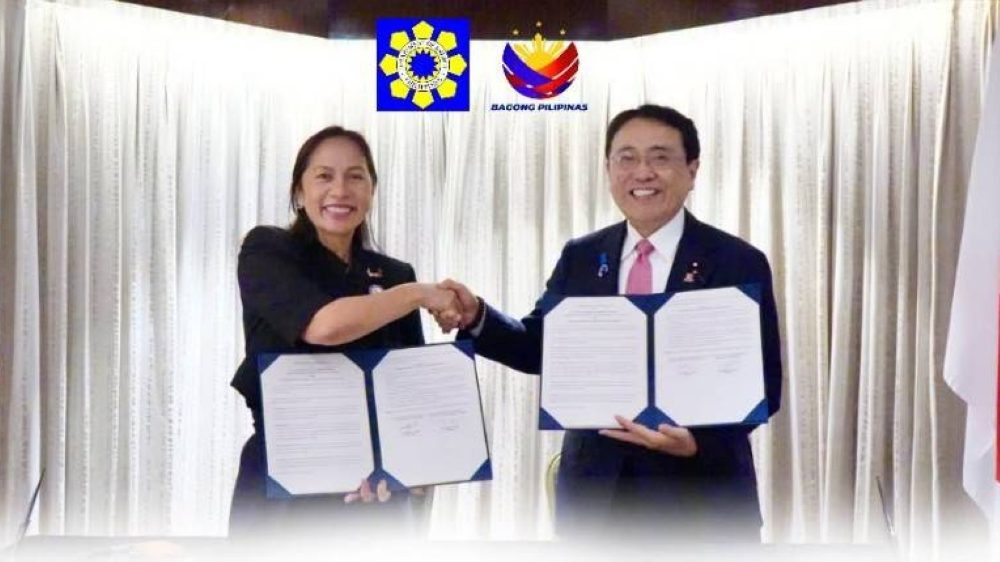
The Philippines and Japan have signed a memorandum of cooperation (MOC) to develop the Philippines’ strategic petroleum reserves, aiming to bolster national preparedness against global oil supply disruptions and safeguard fuel availability for Filipino consumers, industries, and businesses.
Quick Skim
- Agreement Establishes Framework for Petroleum Reserve Development
- Technical Cooperation Involves Japanese Agencies
- Coordination Under Wider Regional Energy Security Framework
- Task Force to Coordinate Regional Oil Stockpiling Efforts
- Japan’s Regional Proposals Include Asian Energy Security Initiatives
- Implications for Industrial and Energy Operations in Asia-Pacific
- Looking Ahead
Agreement Establishes Framework for Petroleum Reserve Development
The Department of Energy (DOE) of the Philippines said the MOC provides a framework to build, manage, and release strategic petroleum reserves. The agreement takes into account the country’s specific fuel supply and demand dynamics, market conditions, and emergency response needs.
Collaboration will involve exploration of oil storage infrastructure development, including possible involvement of Japanese companies in commercial stockpiling projects led by the Philippine National Oil Company (PNOC).
Technical Cooperation Involves Japanese Agencies
Technical elements of the cooperation will draw on existing initiatives with Japanese organisations such as the Japan Organization for Metals and Energy Security (Jogmec), Japan International Cooperation Agency (JICA), and the Economic Research Institute for ASEAN and East Asia (ERIA).
These efforts will support capacity building, oil security assessments, policy development, and knowledge sharing to enhance the Philippines’ ability to develop and manage its petroleum reserves.
Coordination Under Wider Regional Energy Security Framework
The MOC advances discussions under the Partnership on Wide Energy and Resources Resilience Asia (Powerr Asia) framework. These include exploring voluntary cooperation with oil-producing countries and developing a regional roadmap covering financing and other arrangements needed to support future implementation.
Energy Secretary Sharon Garin stated the initiative prepares the country for global supply disruptions and is key to establishing robust systems, infrastructure, and institutional capacity for maintaining fuel security during emergencies.
Task Force to Coordinate Regional Oil Stockpiling Efforts
Garin welcomed the formation of a task force to coordinate oil stockpiling cooperation and emergency oil release mechanisms across Asia. She noted the importance of energy security and expressed the Philippines’ interest in benefiting its population through these collaborations, pending decisions at the leaders’ level.
Japan’s Regional Proposals Include Asian Energy Security Initiatives
At the ASEAN Summit, Japanese Prime Minister Sanae Takaichi outlined proposals to promote an Asian equivalent of the International Energy Agency and introduced the “Power Gulf Initiative” to enhance cooperation between Middle Eastern oil producers and Asian energy consumers.
Japan intends to coordinate these initiatives alongside the Philippine-led joint oil stockpiling scheme for ASEAN nations.
Implications for Industrial and Energy Operations in Asia-Pacific
The cooperation between the Philippines and Japan reflects a broader regional movement towards strengthening energy security through strategic petroleum reserves, which impacts supply chain resilience, emergency fuel availability, and operational continuity for industries and utilities across the Asia-Pacific. Establishing emergency reserves mitigates risks from global oil supply volatility, thereby supporting stable production and economic activities.
Looking Ahead
Following the signing of the MOC, attention will focus on the development of storage infrastructure, financing arrangements, and the operationalisation of the joint stockpiling frameworks under Powerr Asia. Monitoring progress in the regional task force dialogues and leaders’ meeting decisions will be critical for defining the next steps in implementing these oil security mechanisms.
Source: The Manila Times. Photo: The Manila Times.