





Big Tech Increases AI-Linked Borrowing Amid Investor Concerns Over Returns
Major technology firms are borrowing heavily to finance AI development, raising concerns that future revenues may not cover rising debt and investment costs.

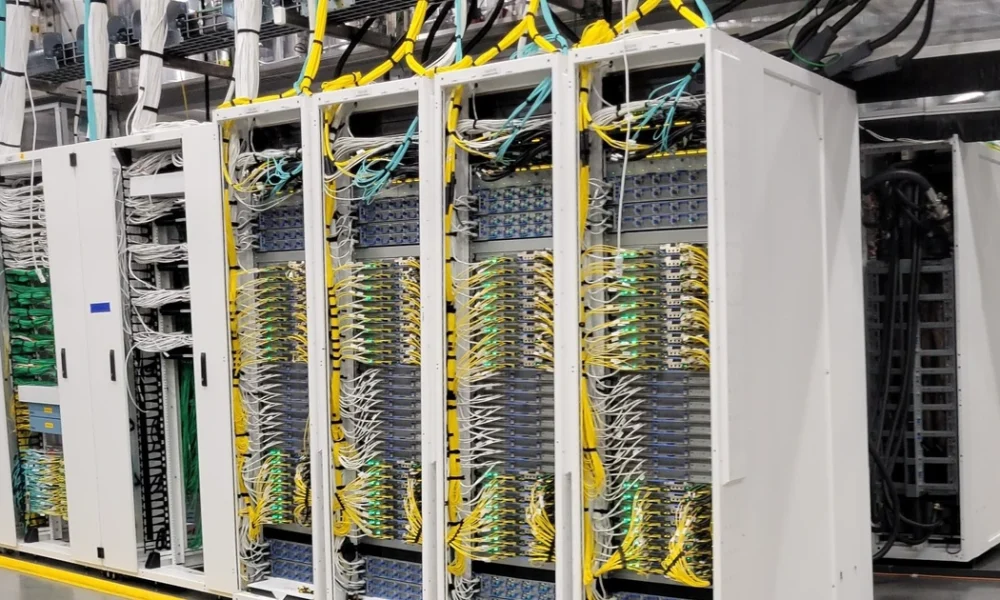
Major technology companies have significantly increased borrowing to finance AI development projects, sparking investor concerns over the ability to recover these investments and service associated debt.
Quick Skim
Scale of AI-Related Debt and Financing Structures
S&P Global Ratings has highlighted that the volume of financial obligations linked to AI development could exceed publicly disclosed figures. The global debt market had accumulated over $450 billion in AI-related debt by 2026, funds that technology companies directed towards expanding data centres, acquiring semiconductor chips, and developing infrastructure.
Mark Habib, S&P’s global head of digital infrastructure, noted that beyond direct loans, large technology firms often act as guarantors for smaller data centre projects and AI start-ups through linked financing agreements.
Investor Concerns and Financial Risks
Costs for hedging debt defaults among companies such as Microsoft, Nvidia, Meta, and Amazon have risen sharply since 2025, with some doubling. Bloomberg Businessweek Vietnam reported investor apprehension regarding whether AI-generated revenues and profits will sufficiently cover the escalating expenses and debt service.
Some firms are experiencing negative free cash flow as operational cash generation falls short of AI investment requirements, posing challenges to debt management if AI profitability does not meet expectations.
Mr Habib stated that S&P has not adjusted credit ratings yet but warned that persistent increases in AI investment beyond sustainable levels or increased competition affecting revenue could prompt a reassessment.
Implications for Technology Sector and Financial Markets
This increased borrowing reflects the substantial capital demands of AI development but also introduces financial risk within the sector, potentially affecting both production capacity expansion and investor confidence. Technology companies could face tighter financing conditions or pressure on stock valuations if AI returns do not materialise as projected.
Looking ahead, monitoring AI revenue growth and corporate debt management strategies will be essential to assess the sustainability of the current investment pace in AI technologies.