


GM Korea CEO Visits Boryeong Plant and Commits to Stable Production
GM Korea President Hector Villarreal toured the Boryeong plant, reaffirming focus on quality and production stability at the automatic transmission facility.


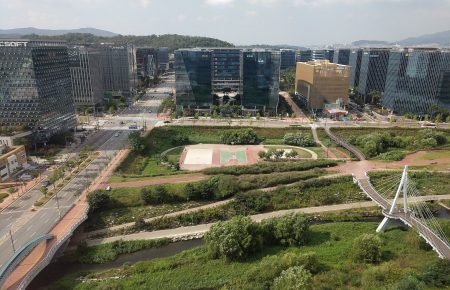
GM Korea President Hector Villarreal visited the Boryeong plant in South Chungcheong Province on 23 November, reviewing production operations and meeting employees.
Quick Skim
Boryeong Plant’s Transmission Production History and Capacity
Since its establishment in 1996, the Boryeong plant has manufactured automatic transmissions. It was the first General Motors overseas facility to begin mass production of 6-speed automatic transmissions in 2007. The plant currently produces fourth-generation automatic transmissions used in multiple GM models, including the Chevrolet Trax Crossover.
Boryeong Facility’s Manufacturing Quality Certifications
The Boryeong plant was the first GM overseas facility to receive Level 4 certification under the Built-In Quality (BIQ) programme, which measures manufacturing process quality. It was also selected as the best establishment in GM’s global manufacturing facility evaluations in 2023 and last year.
CEO’s Engagement and Vehicle Donation to the Community
During his visit, Hector Villarreal toured the production floor and met employees to hear their views. He said, “The high-quality transmissions produced here are the foundation for delivering outstanding vehicles and a satisfying driving experience to customers around the world. We will listen to our employees and strengthen our safe and stable production base to make GM vehicles more competitive in the global market and deliver greater value to our customers.”
Following the plant tour, Villarreal participated in a vehicle donation ceremony hosted by the GM Korea Hanmaum Foundation at Boryeong City Hall. GM Korea donated one Chevrolet Trax Crossover to the Boryeong Community Social Security Council. The vehicle is intended to improve mobility for residents with limited transportation options, enhancing access to medical care, welfare services, education and other essential community resources.