



Mining Firms in Philippines Invest in Safety Technology as Country Aims to Maximise Mineral Value
Philippine mining companies are adopting safety technologies and environmental measures as the nation seeks to enhance its mineral resource value and industry sustainability.

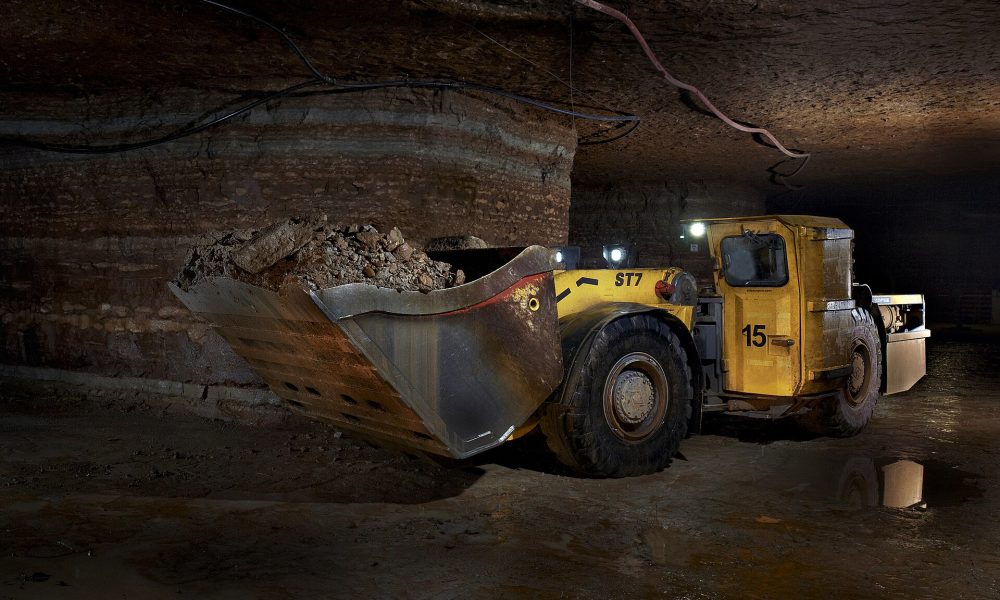
Mining companies in the Philippines are increasing investments in technology to enhance worker safety and environmental protection while the country seeks to maximise the value of its mineral resources for the global clean energy and artificial intelligence sectors.
Quick Skim
- Industry Integrates Safety and Environmental Concerns into Mining Operations
- Technologies Adopted at Didipio Mine Enhance Safety and Hazard Monitoring
- Officials Highlight Mineral Wealth’s Role in Economic Diversification and Safety
- Board of Investments Sees Potential in Value-Added Processing and Manufacturing
Industry Integrates Safety and Environmental Concerns into Mining Operations
Louie Sarmiento, president of the Philippine Mine Safety and Environment Engineers Association, said during the 72nd Annual National Mine Safety and Environment Conference in Baguio City that mining companies have adopted higher safety standards and integrated research and development into operations, production, and tailings dam management.
He said mining companies continue to invest in safety because protecting employees’ lives is non-negotiable. Sarmiento urged industry players to remain committed to responsible mining practices, particularly workplace safety and environmental land-use planning.
Technologies Adopted at Didipio Mine Enhance Safety and Hazard Monitoring
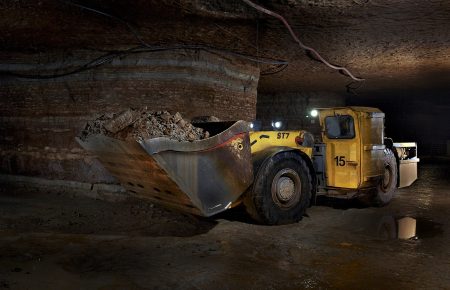
Oceanagold Philippines, operator of the Didipio Mine in Nueva Vizcaya, has implemented several technologies to reduce underground hazards and improve worker safety. James Isles, company Asset president, said they introduced underground internet connectivity to remotely operate heavy equipment from surface locations, reducing personnel exposure.
The company also uses remote blasting technology to activate blasts from above ground and electronic monitoring devices to track individual workers and maintain communication between underground and surface teams. Automated sensors detect ground movements and hazards, while emergency safety chambers provide refuge stocked for up to three months.
Marjorie Wong-Idio, head of community relations at Oceanagold, stated reforestation and rehabilitation efforts are already underway in former mining areas, with environmental protection embedded in daily operations rather than relegated to closure phases.
Officials Highlight Mineral Wealth’s Role in Economic Diversification and Safety
Department of Environment and Natural Resources Assistant Secretary for Mining Concerns Michael Cabalda emphasised the long-term impacts of mine design choices, saying: “When we close, nobody remembers production records. But what matters is: Did people go back to their families safe at night? Did communities grow and become self-reliant?”
He noted the Philippines’ significant deposits of nickel, copper and gold essential for the clean energy transition but warned that “exporting raw materials does not build a nation” and that safety and environmental standards must be integrated from the start of operations.
Board of Investments Sees Potential in Value-Added Processing and Manufacturing
Marjorie Ramos-Samaniego, governor of the Board of Investments, said the Philippines has the minerals and skilled workforce to support electric vehicle, battery, semiconductor, defence and digital infrastructure sectors.
She highlighted the Super Intelligence, Knowledge and Advanced Technology (SIKAT) Corridor as a strategy to connect minerals with manufacturing and innovation, stating: “Before minerals leave our shores, we have to capture more value, create and retain more value.”
BOI data showed exports reached US$84.48 billion in 2025, a record high. From January to September 2026, export sales amounted to PHP73.95 billion, with contributions from semiconductors and minerals including nickel, copper, and gold.