






Singapore Introduces Digital Infrastructure Bill for Data Centres and Cloud Services
Singapore has introduced a new Digital Infrastructure Bill that will impose security, operational resilience and energy-efficiency requirements on major data centres and cloud service providers as...

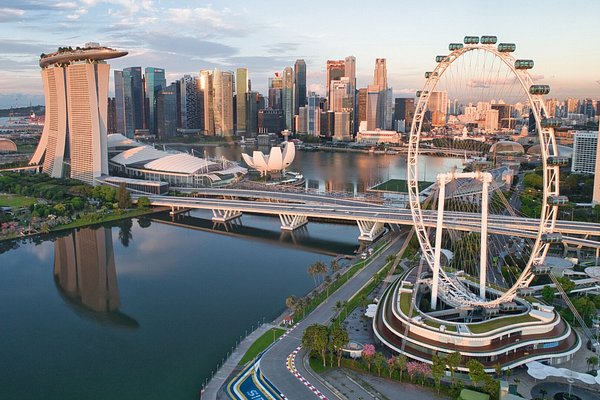
Singapore has introduced a new Digital Infrastructure Bill that will impose security, operational resilience and energy-efficiency requirements on major data centres and cloud service providers as the country expands infrastructure to support its growing AI economy.
Quick Skim
- Major Data Centres Face New Resilience Requirements
- Operators Must Prepare for Power, Cooling and Physical Failures
- Data Centres Above 3MW Face Efficiency Licensing
- Singapore Links New Capacity to Green Commitments
- Singapore Already Hosts More Than 1.6GW of Data Centre Capacity
- Regulation Targets Resilient AI Infrastructure Growth
The Ministry of Digital Development and Information (MDDI) introduced the Bill for its first reading in Parliament on September 8. It will establish two licensing regimes administered by the Infocomm Media Development Authority (IMDA), covering both the resilience and environmental sustainability of digital infrastructure.
Major Data Centres Face New Resilience Requirements
Under the proposed framework, major co-location and cloud data centres with a critical IT load of at least 10MW will be subject to security and resilience licensing requirements.
Major cloud service providers will also fall under the regime if their Infrastructure-as-a-Service and Platform-as-a-Service operations generate at least S$100 million in average annual revenue from Singapore users over the previous three years.
The thresholds are intended to capture infrastructure whose disruption could have a significant impact on Singapore’s economy and society.
Operators Must Prepare for Power, Cooling and Physical Failures
The Bill extends beyond cybersecurity to address operational failures that can disrupt digital services.
Licensed operators will be required to implement security risk-management measures, business continuity plans and disaster recovery arrangements, while reporting specified incidents and service disruptions to IMDA.
MDDI highlighted risks including:
- Power failures
- Cooling-system disruptions
- Fires
- Technical failures
- Other physical and operational incidents
The framework complements Singapore’s Cybersecurity Act, which already establishes cybersecurity obligations for critical digital infrastructure.
Data Centres Above 3MW Face Efficiency Licensing
A separate licensing regime will cover environmental sustainability.
All data centres with a critical IT load of at least 3MW will be licensed and required initially to meet facility-level energy-efficiency standards, including requirements relating to Power Usage Effectiveness (PUE).
The requirements will apply to both existing and new facilities.
The regulatory framework will also allow Singapore to introduce future standards covering IT-equipment efficiency and water consumption, following consultation with the industry.
Singapore Links New Capacity to Green Commitments
The Bill will also allow commitments made by operators when securing new data-centre capacity to become enforceable licence conditions.
This includes strategic, economic and green-energy commitments made through programmes such as Singapore’s Data Centre Call for Application.
MDDI said the approach is intended to ensure that companies receiving scarce data-centre capacity deliver the wider benefits they committed to when applying.
Land, electricity and water remain constrained resources in Singapore, increasing pressure on operators to improve the efficiency of future computing infrastructure.
Singapore Already Hosts More Than 1.6GW of Data Centre Capacity
Singapore currently hosts more than 1.6GW of data-centre capacity, alongside submarine cable infrastructure connecting the country and wider region to global digital networks.
Demand for computing capacity is expected to continue rising as AI, autonomous systems and other data-intensive technologies expand.
The government said cloud infrastructure and data centres are also becoming increasingly systemically important because they support services ranging from digital banking and e-commerce to identity systems and payments.
Past disruptions have demonstrated the operational impact of infrastructure failures. In 2023, separate power and cooling incidents at Singapore data centres caused extended cloud and financial-service outages, while a 2024 data-centre fire affected services used by digital platforms.
Regulation Targets Resilient AI Infrastructure Growth
MDDI and IMDA developed the Bill with input from data-centre operators, cloud providers, industry associations and enterprise users.
A public consultation held in July received responses from 25 organisations and individuals, with the government committing to provide transition time for existing facilities and streamline overlapping requirements with the Cybersecurity Act.
The Bill is expected to return to Parliament for a second reading at the next available sitting.
For Singapore’s digital infrastructure sector, the legislation marks a shift towards a common regulatory baseline covering not only cybersecurity but also equipment resilience, power and cooling continuity, disaster recovery and resource efficiency.
As AI drives further demand for computing capacity, these requirements will increasingly shape how new data centres are designed, operated and expanded in Singapore.