






UAE Expands Ports, Pipelines and Rail to Protect Energy Exports From Hormuz Disruption
The United Arab Emirates is accelerating investment in ports, pipelines, railways and alternative trade corridors as it seeks to reduce dependence on the Strait of Hormuz and protect energy exports...

The United Arab Emirates is accelerating investment in ports, pipelines, railways and alternative trade corridors as it seeks to reduce dependence on the Strait of Hormuz and protect energy exports from disruption caused by the Iran war.
Quick Skim
UAE presidential adviser Anwar Gargash said the country’s energy exports, trade and wider economic activity could not be allowed to remain vulnerable to disruption at the strategic waterway.
The conflict has severely affected shipping through Hormuz, historically a route for about one-fifth of global energy supplies, increasing pressure on Gulf producers to develop alternative export infrastructure.
Eastern Ports Take Larger Role
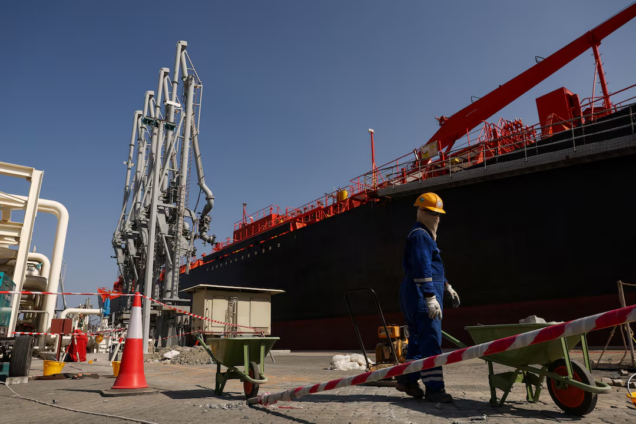
The UAE is expanding port capacity along its eastern coast, outside the Strait of Hormuz, as part of its effort to create more resilient trade routes.
Fujairah has become particularly important because its location on the Gulf of Oman allows oil exports and other cargoes to avoid passing through Hormuz.
The UAE is also investing in railway connections and other transport corridors linking production and logistics centres with eastern ports.
The strategy is designed to give exporters more options when maritime routes through the Gulf are disrupted.
New Pipeline to Double Export Capacity via Fujairah
A major part of the infrastructure programme is a new oil pipeline that will substantially increase the UAE’s ability to export crude without using the Strait of Hormuz.
The UAE accelerated the West-East Pipeline project earlier this year, with operations targeted for 2027.
The new infrastructure is expected to double the country’s export capacity through Fujairah.
The existing Abu Dhabi Crude Oil Pipeline, also known as the Habshan-Fujairah pipeline, can already transport up to 1.8 million barrels per day from Abu Dhabi to the Gulf of Oman coast.
Hormuz Disruption Exposes Supply-Chain Risk
The Iran war has demonstrated the operational risks created by heavy dependence on a single maritime chokepoint.
The effective closure of Hormuz disrupted energy shipments, drove up prices and forced the UAE to restrict some oil production when exports could not move normally.
The disruption has also affected non-energy trade.
Ports including Fujairah and nearby Khor Fakkan have become increasingly important for moving goods into and out of the UAE, which relies heavily on international supply chains for food and other imports.
Rail and Trade Corridors Add Redundancy
The UAE’s response extends beyond oil pipelines.
Gargash said the country is developing railways, ports and alternative trade routes to create additional corridors for goods and energy.
Adding different transport modes gives the country greater flexibility if one part of the logistics network becomes unavailable.
For industrial and energy infrastructure, the strategy reflects a broader shift towards designing supply chains with multiple routes rather than relying on a single port, pipeline or shipping channel.
Gulf States Reassess Infrastructure Resilience
The prolonged conflict is prompting a wider reassessment of infrastructure across the Gulf.
Saudi Arabia has also relied heavily on its East-West pipeline to move crude to the Red Sea, allowing exports to bypass Hormuz. Its pipeline capacity was increased to 7 million barrels per day after the conflict began.
Across the region, investment in alternative pipelines and ports is increasing as governments seek to protect energy exports and trade from geopolitical disruption.
Energy Security Drives Infrastructure Investment
The UAE’s strategy shows how geopolitical risk is changing the role of ports, railways and pipelines in energy supply chains.
Infrastructure that previously provided additional capacity is increasingly being treated as a form of operational redundancy.
By expanding eastern ports and creating alternative overland routes, the UAE aims to maintain trade and energy flows even when access through the Strait of Hormuz is restricted.
For global energy markets, the build-out could also reduce some of the dependence on one of the world’s most important maritime chokepoints, although Hormuz is expected to remain critical to regional energy exports.