


US to Expand Civil Nuclear Cooperation With Indonesia, Including SMR Control-Room Simulators
The US will provide small modular reactor control-room simulators and technical assistance to Indonesia through its FIRST programme, announced at the East Asia Summit in Manila.

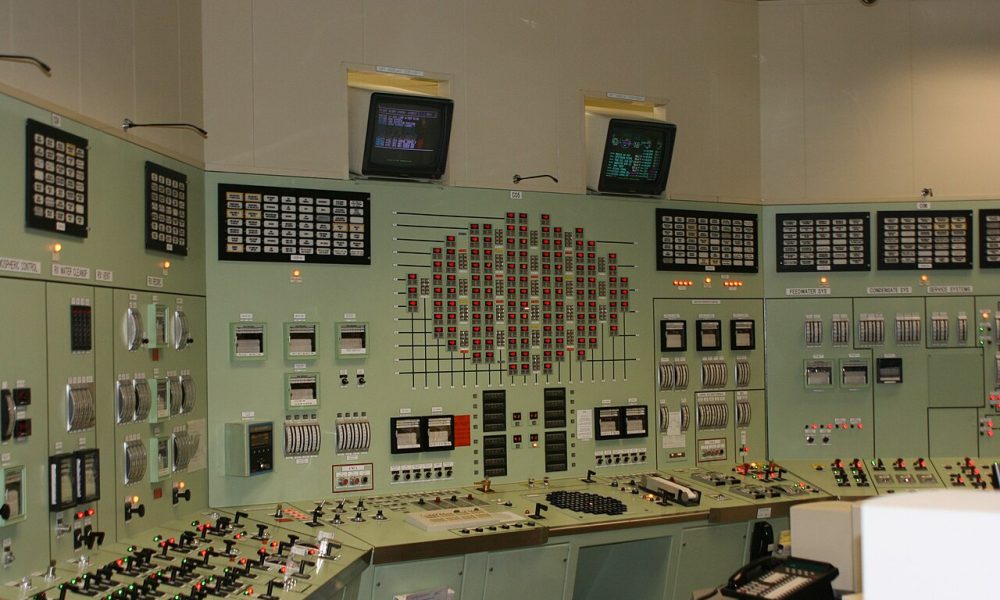
The United States has agreed to expand civil nuclear energy cooperation with Indonesia, including small modular reactor (SMR) control-room simulators and technical assistance, in an arrangement announced at the East Asia Summit in Manila, the Philippines, on 17 November 2026.
Quick Skim
FIRST Programme Support
The support is delivered through the US State Department’s Foundational Infrastructure for Responsible Use of Small Modular Reactor Technology (FIRST) programme, according to a written statement from the US Embassy and Consulates in Indonesia on Friday 20 November 2026.
The statement said the simulator and other technical assistance are being provided “to help make Indonesia a regional SMR hub”, as regional energy demand is projected to triple by 2050.
Training, Siting and Regulatory Help
Under FIRST, the US will build a training centre with an SMR control-room simulator in Indonesia to prepare local technicians and prospective operators. The assistance also includes technical studies to identify the most suitable reactor sites.
The programme covers support for drafting nuclear regulations and licensing processes. It also links US universities with Indonesian institutions to develop nuclear engineering curricula, with training and field visits on the management of radioactive waste and spent nuclear fuel.
Trilateral Context and Reactor Design
The announcement follows a memorandum of cooperation on SMR deployment signed by US Secretary of State Marco Rubio with counterparts from Japan and South Korea, aimed at speeding the adoption of civil nuclear technology across the Indo-Pacific.
The statement said US reactor designs draw on more than 70 years of US nuclear energy experience and are bound by safety, security and nonproliferation standards. SMRs are projected to supply continuous baseload power independent of weather, and compared with conventional nuclear plants they need less land and use modular construction that can be matched to grid demand.
Source: CNBC Indonesia, Kompas.
Photo: Ben Franske/Wikimedia Commons, CC BY-SA 4.0