




HD Hyundai Advances India Shipbuilding Base As Part Of Differentiation Strategy
HD Hyundai plans a $4 billion shipyard in India, aiming to establish its third-largest overseas production base amid India's expanding fleet demand.

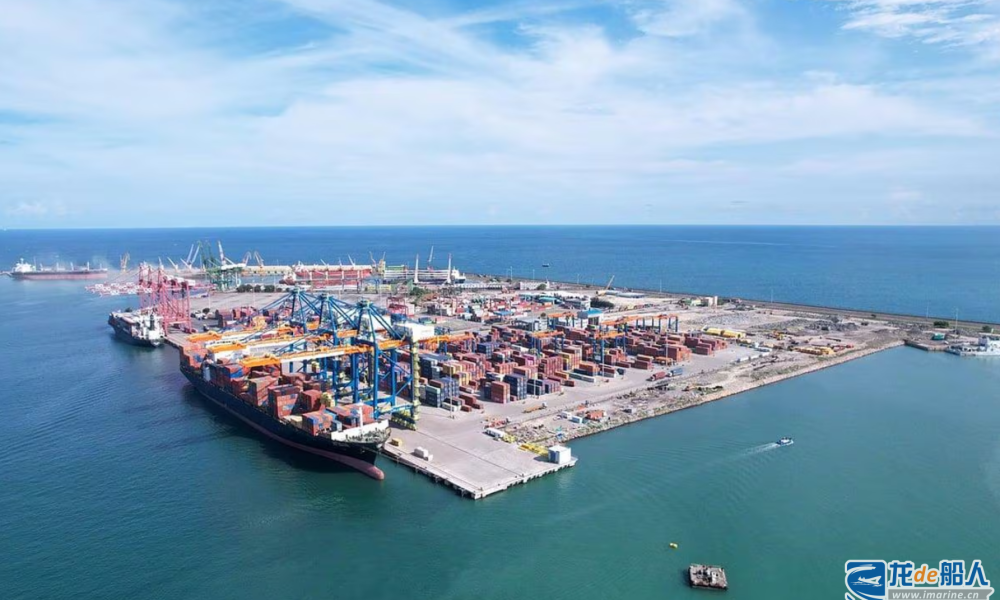
HD Hyundai is advancing its differentiation strategy by investing in an Indian shipyard to develop India as its third-largest overseas shipbuilding base, complementing its operations in Vietnam and the Philippines. This move targets cost competitiveness in commercial vessel production amid growing Indian domestic fleet needs.
Quick Skim
Investment In Indian Shipyard Supports Production Expansion
In April, HD Hyundai signed a Memorandum of Understanding with NSHIP TN and Sagarmala Development Company Limited to build a new shipyard in Thoothukudi with an annual capacity of 2.5 million gross tons (GT). The project involves a total investment of approximately $4 billion, with an additional $400 million allocated for infrastructure such as breakwaters and dredging.
Initial vessel production will continue at South Korean facilities while HD Hyundai trains Indian shipyard workers in production and operational methods, before transferring operations gradually to the Thoothukudi site.
India’s Fleet Expansion Drives Shipbuilding Demand
According to the Directorate General of Maritime Affairs, the Indian public sector requires 437 vessels, including bulk carriers, oil tankers, container ships, tugs, and dredgers, with tenders for 62 vessels scheduled to begin in March 2027. The government plans a total investment of approximately 2.2 trillion rupees (US$22.968 billion) on these orders.
This demand reflects India’s urgent need to reduce reliance on foreign shipping capacity, as Indian-flagged vessels currently carry only 6.08 percent of the country’s trade volume, leading to freight expenditures of about $75 billion annually.
Challenges And Government Support For Local Shipbuilding
While India benefits from low labour costs of $3 to $4 per hour, productivity remains low, with labour cost per Compensated Gross Tonnage at $620, over twice that of China. To address this, the Indian government offers subsidies ranging from 15% to 25% of vessel prices and invests in shipyard infrastructure upgrades.
Regional governments are also developing shipbuilding clusters to attract investment and expertise. HD Hyundai, alongside Samsung Heavy Industries, is partnering with Indian private firms to enhance local capacity in ship design, procurement, and production management.
Implications For Industrial Operations
HD Hyundai’s strategy of concentrating high-value vessel production in South Korea while outsourcing standard commercial vessels to lower-cost sites aims to sustain competitiveness against Chinese yards. The Indian shipyard will play a key role in maintaining cost efficiency within an environment of government-promoted fleet growth and local content requirements.
The success of South Korean enterprises in India will depend on improving productivity to overcome existing efficiency gaps while leveraging government support and infrastructure improvements.
Going forward, industry observers will monitor HD Hyundai’s ability to transfer operational expertise effectively and scale production in India to capture a significant share of the expanding domestic vessel demand.