





Malaysia’s AI Data Centre Boom Risks Outrunning Power and Cooling Infrastructure
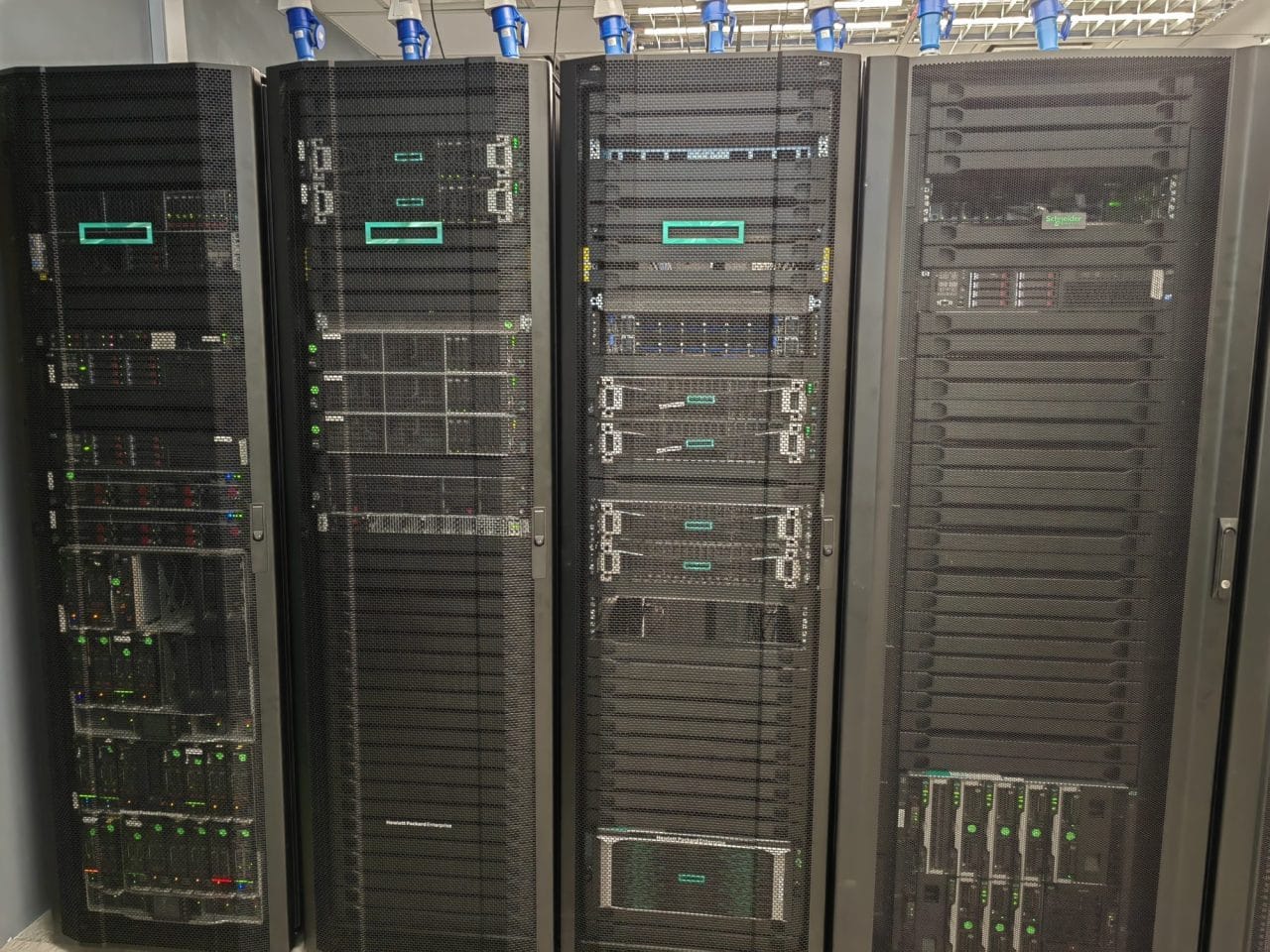
Malaysia’s fast-growing AI data centre sector could outpace the power, cooling and supporting infrastructure needed to sustain it, as higher-density computing places greater pressure on electricity...


Malaysia’s fast-growing AI data centre sector could outpace the power, cooling and supporting infrastructure needed to sustain it, as higher-density computing places greater pressure on electricity supply and thermal management systems, Delta Electronics has warned.
Quick Skim
Johor already has around 1,110MW of live IT capacity and a development pipeline of approximately 8,542MW, placing it among Asia-Pacific’s largest emerging data centre markets, according to Delta Electronics Southeast Asia Business President Jason Yuan. Much of that pipeline, however, has yet to become operational.
Power Becomes the Main Bottleneck
Power availability is emerging as one of the biggest constraints facing Malaysia’s data centre expansion.
Yuan said grid connections and transmission infrastructure often cannot be delivered as quickly as new data centre capacity. Operators will therefore need to extract more computing capacity from each available megawatt while considering options such as on-site generation, energy storage and fuel cells.
Rather than treating electricity simply as a resource to secure, Delta argues that operators will increasingly need to optimise the entire power architecture to improve resilience and control long-term operating costs.
AI Racks Push Beyond 100kW
The infrastructure challenge is becoming more complex as AI changes the power density of data centres.
Modern AI racks can exceed 100kW, substantially increasing both electrical demand and heat generation compared with conventional computing environments.
Delta warned that facilities designed around today’s rack densities could require costly retrofits as AI workloads become more demanding.
Building scalability into power, cooling and building-management systems from the beginning could therefore become increasingly important as operators prepare for the next generation of AI hardware.
Liquid Cooling Gains Importance in Malaysia
Malaysia’s tropical climate adds another challenge.
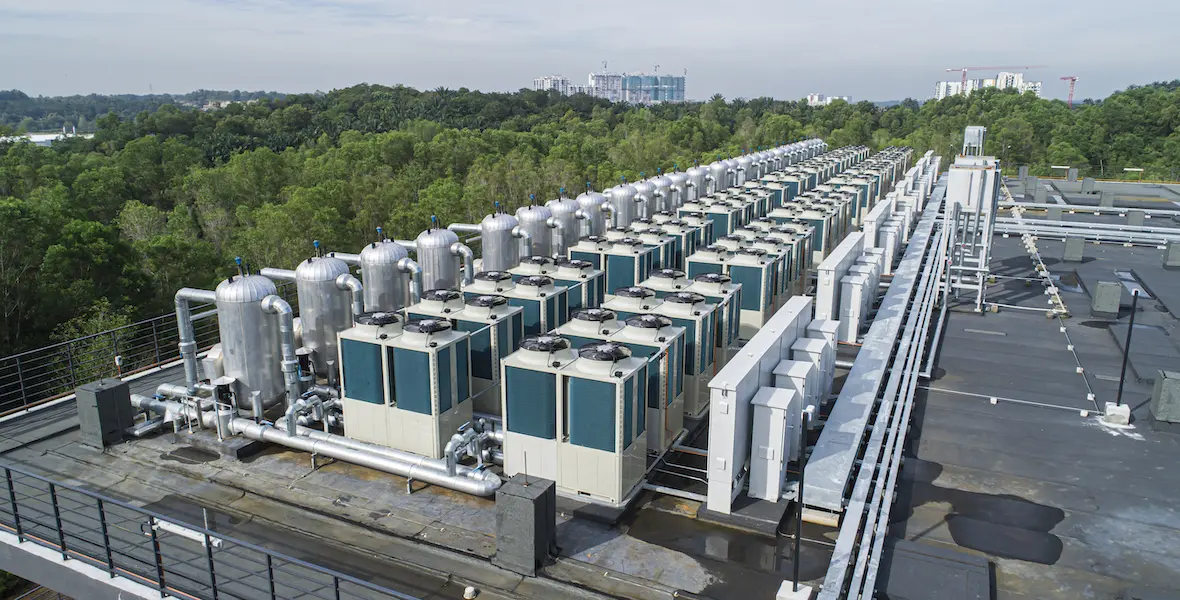
Traditional free-cooling approaches used in colder markets are less effective in hot and humid conditions, increasing demand for more efficient thermal-management technologies.
Yuan expects liquid cooling to become an increasingly important differentiator for AI-ready data centres because it removes heat directly from high-performance processors and can support much higher rack densities than conventional air-based cooling.
However, Delta said liquid cooling should not be treated as a standalone technology. The largest efficiency gains come when cooling, power distribution, controls and building-management systems are designed as an integrated architecture.
Rapid Expansion Could Increase Downtime Risk
Data centre growth could create operational risks if infrastructure consistently operates near its limits.
Yuan identified deteriorating energy efficiency, repeated power and cooling upgrades, and insufficient capacity headroom as warning signs that facilities may have been designed around short-term requirements rather than future AI demand.
For operators, this means expansion should be measured not only by megawatts of new capacity but also by whether facilities remain efficient, reliable and scalable as computing density increases.
Automation Moves Into Data Centre Operations
Automation is expected to play a larger role as data centre environments become more complex.
Delta said integrating power, cooling and facility infrastructure onto a single digital platform can provide operators with real-time operational visibility, helping them identify emerging problems, optimise energy use and reduce unnecessary maintenance.
Earlier detection could also allow maintenance teams to respond before equipment issues develop into service disruptions or costly downtime.
The shift brings data centre operations closer to practices already being adopted in advanced manufacturing, where connected systems, predictive analytics and integrated asset monitoring are increasingly used to improve reliability.
Malaysia Could Capture More of the AI Infrastructure Value Chain
Delta sees Malaysia’s opportunity extending beyond simply hosting additional data centres.
The country already has a strong electronics manufacturing base, established industrial supply chains and growing digital connectivity, while the Johor-Singapore Special Economic Zone could support further investment across the regional AI ecosystem.
As data centre investment expands, demand is also expected to increase for power equipment, cooling technology, automation systems and digital infrastructure.
Building domestic capabilities in these areas could allow Malaysia to capture more of the value generated by AI infrastructure while supporting higher-skilled employment.
Yuan cautioned that the sector’s long-term success will depend on whether power infrastructure, workforce capabilities and local supply chains can develop at the same pace as data centre investment.