





Australian Energy Regulator Allows Essential Energy to Trial 300 Kerbside EV Chargers in Regional NSW
Essential Energy has received a waiver to install 300 kerbside EV chargers in regional New South Wales, operating until October 2029 under six regulatory conditions.

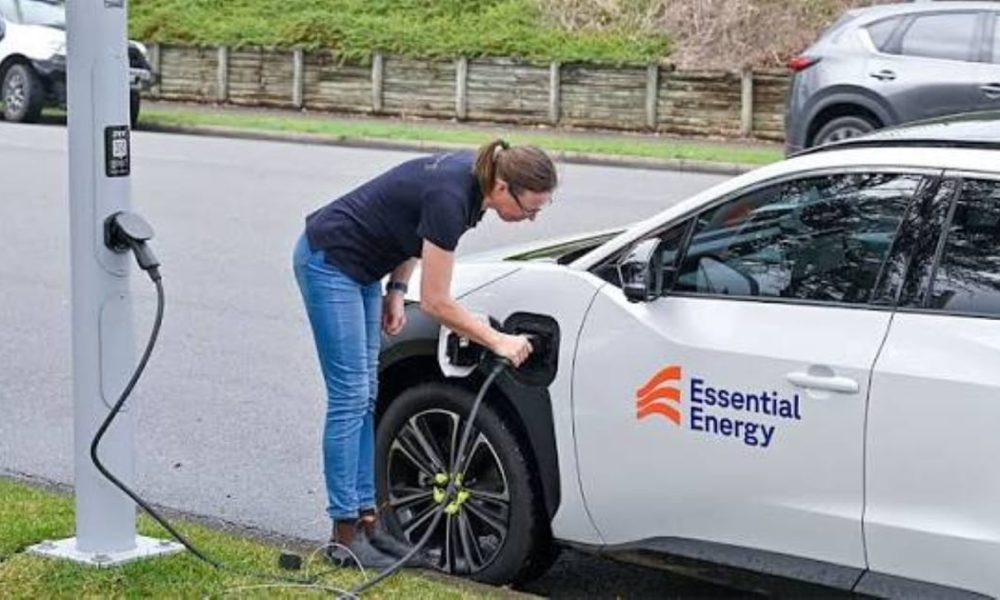
The Australian Energy Regulator (AER) has granted Essential Energy a ring-fencing waiver to own and operate 300 kerbside electric vehicle (EV) chargers across regional New South Wales (NSW) until October 2029.
Quick Skim
The waiver, announced on 19 November, permits the network operator to install, maintain and lease these chargers under six specific conditions designed to protect competition and transparency.
Trial Covers 300 Chargers in Composite Streetlight Columns
The chargers will be integrated within composite streetlight columns, marking the first deployment of this technology in Australia, according to the AER. Essential Energy proposed 7kW white-labelled chargers distributed across 300 locations, covering approximately 95% of NSW’s land area.
This trial is part of Essential Energy’s Plug and Play project, which received AU$2.3 million (US$1.6 million) in funding from the Australian Renewable Energy Agency (ARENA) to facilitate public charging infrastructure in rural NSW.
Ring-Fencing Waiver Enables Utility Ownership and Leasing to Chargepoint Operators
Ring-fencing regulations require distribution network service providers (DNSPs) like Essential Energy to separate regulated electricity delivery networks from competitive services, such as EV charging, to prevent cross-subsidisation and unfair advantages. The waiver temporarily exempts Essential Energy from these rules for the trial.
Under the arrangement, Essential Energy will lease the chargers to chargepoint operators (CPOs) selected via a tender process. The AER confirmed that all infrastructure installed under the waiver will be funded by ARENA and Essential Energy, with no recovery through consumer electricity bills.
Conditions Ensure Transparency, Competition and Reporting
AER board member Jarrod Ball said the decision considered stakeholder input and weighed potential benefits and risks. The trial aims to expand charger availability in regional towns and assess usage patterns without increasing electricity bills.
Key conditions require Essential Energy to maintain a public register detailing each charger’s site location, operator, charging capacity, and parking information. It must also publish tender summaries, lease fee structures, and maps of suitable and leased charger sites to support industry planning.
Essential Energy is obligated to submit annual reports by 30 April covering financial results and technical metrics including energy delivered, faults, and maintenance response times. Once the waiver expires, the company can seek renewal, transfer chargers to competitors, or deactivate equipment.
Essential Energy is also reporting to ARENA, which published the project’s first lessons learned report in February 2026.
Context Within Australian and NSW EV Charging Landscape
This initiative follows a comparable AER waiver granted in October 2025 to Victorian networks CitiPower, Powercor and United Energy. They received approval to install and operate 100 pole-mounted 22kW chargers across Melbourne to mid-2031, subject to conditions including equitable pole-access fees.
NSW’s updated EV strategy says 1,065 kerbside plugs have been installed or contracted in Greater Sydney, Newcastle and Wollongong through two grant rounds. Transport for NSW has published a kerbside charging design guide enabling pole-mounted chargers that meet standards to be installed as exempt development across councils.
On the regional front, NSW is investing AU$5.9 million to add 35 charging ports at 11 North Coast locations through its EV Destination Charging programme.
Photo: Essential Energy