

Port of Brisbane Introduces Green Button to Optimise Deep Draft Vessel Transits
The Port of Brisbane activates Green Button technology to support fuel-efficient transit for vessels over 12 metres draft, integrating environmental data for scheduling.

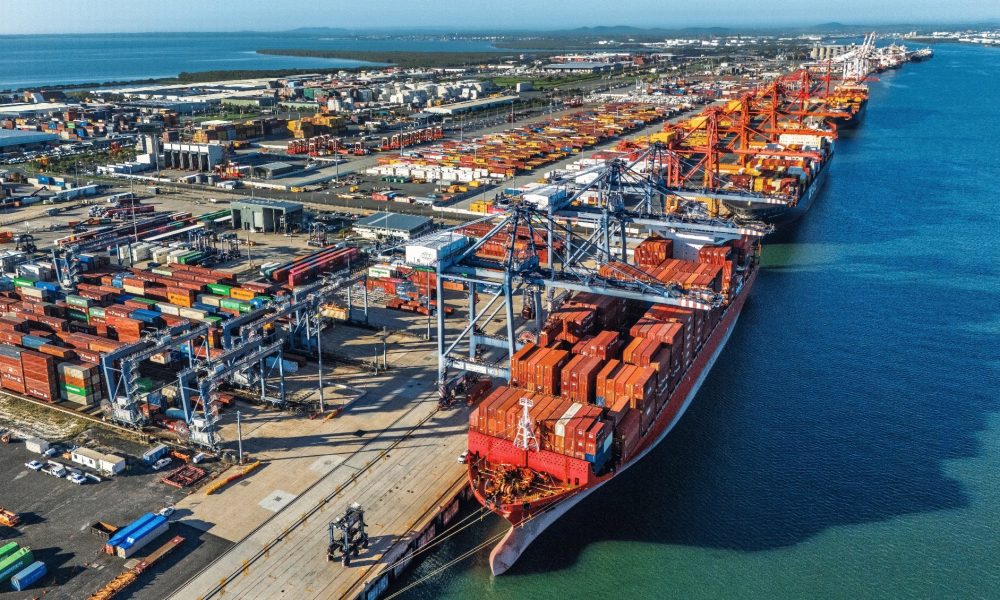
The Port of Brisbane has made its Green Button functionality available for deep draft vessels in its 90-kilometre shipping channel, enabling more fuel-efficient transit profiles for ships with a draft exceeding 12 metres.
Quick Skim
The technology is part of the port’s Nonlinear Channel Optimisation Simulator (NCOS) Online system, developed with DHI Seaport, and is intended to reduce fuel consumption and associated emissions while maintaining safe vessel scheduling, Smart Maritime Network reported.
Green Button calculates optimal vessel speeds
The Green Button identifies optimal vessel speeds within designated arrival and departure windows, taking into account forecast wind, currents, tides and water depth to calculate transit plans. It also estimates potential emissions reductions against standard operating profiles. The functionality follows successful trials in 2024.
NCOS Online supports dynamic scheduling
NCOS Online was first introduced at the Port of Brisbane in 2017 and provides seven-day forecasts of under keel clearance (UKC) and environmental conditions to support dynamic vessel scheduling.
The system enables the Regional Harbour Master and other port stakeholders to assess UKC requirements for larger vessels, providing greater flexibility in planning vessel movements.
Trial partners
Port of Brisbane CEO Neil Stephens said the Green Button would support efforts to reduce shipping-related emissions while maintaining operational requirements.
The implementation involved DHI Seaport, Maritime Safety Queensland – Regional Harbour Master, Poseidon Sea Pilots and shipping lines Maersk and CMA CGM, which participated in the trial programme.
Photo: Smart Maritime Network