






ExxonMobil Expands Predictive Maintenance Across Indonesia as Industry Shifts to Condition-Based Maintenance
Manufacturers are increasingly turning to equipment-condition data to identify maintenance needs before failures disrupt production. ExxonMobil has expanded its predictive maintenance services across...

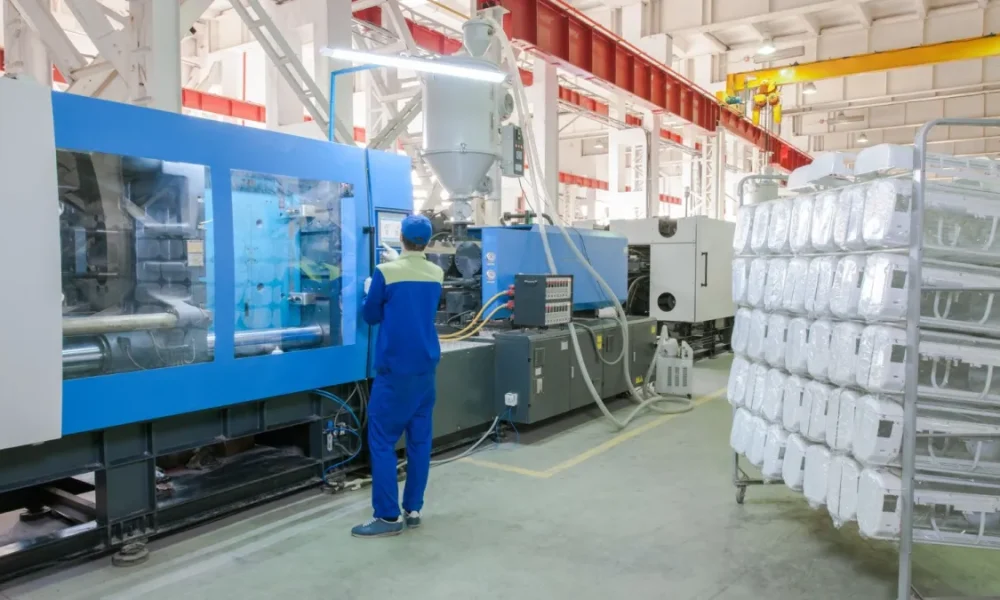
Manufacturers are increasingly turning to equipment-condition data to identify maintenance needs before failures disrupt production.
Quick Skim
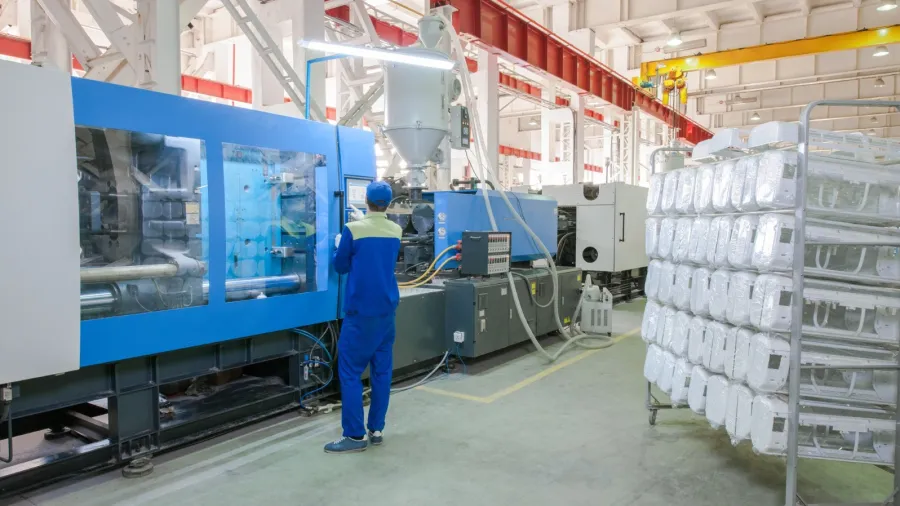
ExxonMobil has expanded its predictive maintenance services across Indonesia, extending support to industrial operators in Surabaya, Batam, Palembang, Jakarta, Tangerang, Bekasi and Kalimantan.
The expansion reflects a broader shift in industrial maintenance: moving away from maintenance based primarily on fixed schedules and towards decisions driven by the actual condition of equipment.
From Scheduled Maintenance to Equipment Condition
Through PT ExxonMobil Lubricants Indonesia, the company is combining its MACHINEXT lubrication management platform with Mobil Lubricant Analysis.
The service monitors the condition of lubricants, grease and coolants to provide operators with additional information about equipment health. Instead of replacing or servicing components solely because a predefined interval has been reached, maintenance teams can use condition data to determine when intervention may actually be required.
This approach can help industrial operators identify developing issues earlier while avoiding unnecessary maintenance activity.
For plants operating continuous or high-throughput production lines, this is particularly relevant. A failure in rotating equipment, pumps, motors or other critical assets can affect not only the individual machine but also the wider production process.
Predictive Maintenance Moves Closer to the Machine
Lubricant analysis has long been used as a condition-monitoring technique. Changes in contamination, wear particles or lubricant condition can provide indicators of what is happening inside equipment without requiring the asset to be dismantled.
When these measurements are combined with historical equipment information and other condition-monitoring data, maintenance teams can build a clearer picture of how an asset is deteriorating over time.
ExxonMobil said customers using the service are applying equipment data to identify maintenance requirements earlier, with the aim of reducing downtime, extending lubricant and coolant life, and lowering maintenance and waste-disposal costs.
The development highlights an important change taking place across industrial maintenance.
Predictive maintenance is becoming less about collecting more data and more about turning machine-condition data into earlier maintenance decisions.
Reliability Becomes a Production Issue
For manufacturers, maintenance and production performance are increasingly interconnected.
Unexpected equipment failure can affect throughput, production schedules, energy consumption, maintenance resources and product delivery. As a result, reliability strategies are increasingly being evaluated not simply by maintenance cost, but by their ability to protect production continuity.
Condition monitoring allows maintenance teams to intervene during the period between the first detectable signs of equipment degradation and functional failure.
The earlier that deterioration can be identified with sufficient confidence, the more options maintenance teams have to plan inspections, prepare replacement parts and schedule intervention around production requirements.
Indonesia’s Predictive Maintenance Market Continues to Develop
ExxonMobil plans to continue developing its industrial presence in Indonesia through its distribution network, technical support and industry partnerships during the remainder of 2026.
Its expansion across seven Indonesian locations is another sign that predictive and condition-based maintenance practices are moving beyond isolated technology projects and becoming part of day-to-day industrial reliability strategies.
As more industrial assets become connected and measurable, the next challenge will not simply be detecting changes in equipment condition.
It will be determining which changes require action, how early maintenance teams can intervene, and whether those insights can consistently prevent disruption on the factory floor.