United Utilities Develops Intelligent Monitoring for Nature-Based Wastewater Treatment
United Utilities advances a project combining nature-based wastewater treatment with monitoring tech to enhance predictability and investment appeal.

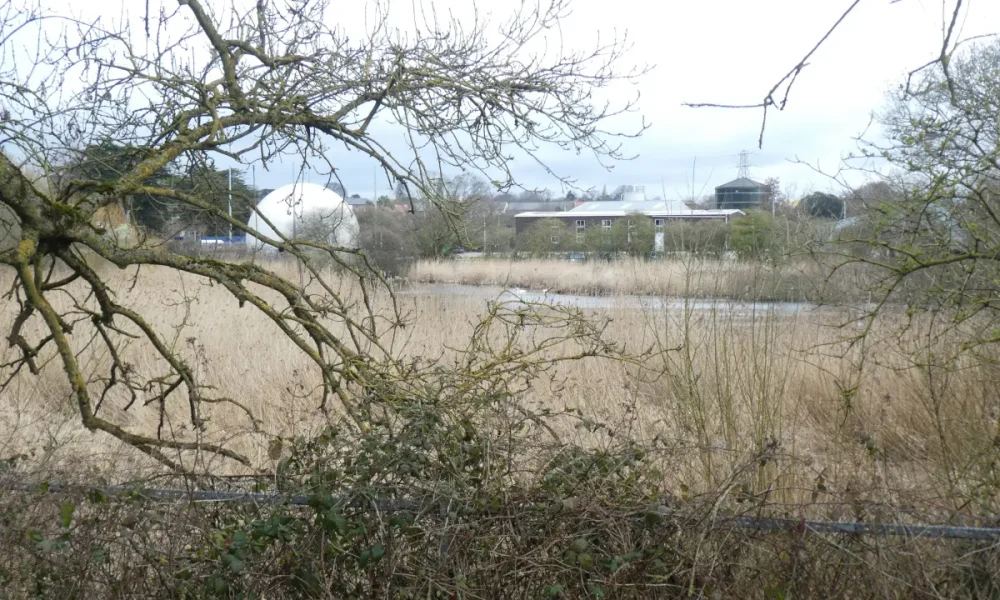
United Utilities is developing a project called Living Logic at its Countess Wear sewage treatment works in Exeter to integrate nature-based wastewater treatment with monitoring and decision-support technologies, aiming to improve system predictability and support wider adoption of such solutions.
Quick Skim
- Living Logic Aims To Improve Predictability of Natural Treatment Systems
- Engagement with Partners To Develop Monitoring and Decision-Support Technologies
- Context of Growing Interest in Nature as Critical Infrastructure
- Funding and Project Development within Water Breakthrough Challenge Framework
- Implications for Industrial Wastewater Treatment Operations
- Next Steps and Outlook
Living Logic Aims To Improve Predictability of Natural Treatment Systems
United Utilities is exploring the application of intelligent monitoring to nature-based wastewater treatment methods, such as constructed wetlands that leverage biological and ecological processes for pollutant removal. These systems offer benefits beyond treatment, including habitat creation and resilience enhancement, but their performance can be affected by environmental variables like temperature, rainfall, and hydraulic loading.
The Living Logic project intends to reduce uncertainties by developing sensing and diagnostic capabilities that allow operators to monitor treatment efficiency and intervene proactively to prevent deterioration. This addresses a key challenge in making nature-based systems reliable and investable as wastewater treatment infrastructure.
Engagement with Partners To Develop Monitoring and Decision-Support Technologies
United Utilities is inviting collaboration with technology providers, research organisations, and other delivery partners with expertise in nature-based treatment and monitoring solutions. The company emphasises interests in both the biological treatment elements and the associated digital technologies for diagnostics and operational decision-making.
The aim is to integrate these components into a comprehensive system enabling nature-based infrastructure to meet regulatory performance standards while optimising operation and maintenance.
Context of Growing Interest in Nature as Critical Infrastructure
The project aligns with a broader sector shift recognising natural systems as critical infrastructure. Examples include Yorkshire Water’s integrated constructed wetland at Clifton wastewater works and Wessex Water’s wetland at Cromhall Water Recycling Centre.
Ofwat, the UK water regulator, launched the Water Breakthrough Challenge 7 in September 2026, dedicated to promoting innovation including nature-based solutions. Dr Jo Jolly, Ofwat director for natural assets, highlighted the importance of “nature as critical infrastructure” and the need for robust monitoring frameworks.
Funding and Project Development within Water Breakthrough Challenge Framework
The Water Breakthrough Challenge 7 offers up to £50 million in funding for collaborative projects. Living Logic is being developed under the Catalyst stream, which provides grants from £150,000 to £2 million. Winners will be announced in spring 2027. Previous rounds have supported projects combining biological treatment with digital technology such as AI-enabled ecosystem monitoring.
United Utilities’ current activity is a preliminary market engagement to seek partners able to contribute financially or in-kind to the project rather than an immediate funding award.
Implications for Industrial Wastewater Treatment Operations
Integrating monitoring with biologically based wastewater treatment could significantly improve operational control and maintenance scheduling. Predictable system performance may increase regulatory confidence and investor interest, facilitating deployment at scale.
For water utilities in Asia-Pacific, where decentralised and sustainable systems are gaining attention, the approach could enable more resilient and adaptable infrastructure options. The ability to quantify and manage ecological performance helps address variability challenges inherent in nature-based solutions.
Next Steps and Outlook
The development and demonstration of Living Logic will test whether natural treatment systems can be reliably measured and managed to meet regulated wastewater treatment requirements. Successful integration of sensing and diagnostic tools with ecological infrastructure could pave the way for wider adoption and investment in living treatment assets.
Details of project partners and technical approaches will likely emerge as United Utilities progresses through the Water Breakthrough Challenge selection process.