






Japan Factory Output Posts Strongest Growth in 12 Years on AI and Semiconductor Demand
Japan’s manufacturing output expanded at its fastest pace in almost 12 and a half years in July 2026, supported by stronger global demand for semiconductors and other AI-related products. The Japan...

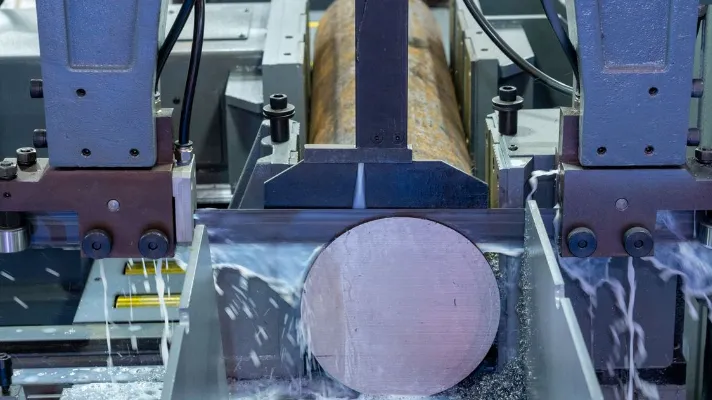
Japan’s manufacturing output expanded at its fastest pace in almost 12 and a half years in July 2026, supported by stronger global demand for semiconductors and other AI-related products.
Quick Skim
The Japan Manufacturing Purchasing Managers’ Index (PMI) stood at 54.5 in July, slightly below 54.8 in June but remaining firmly above the 50-point level that separates expansion from contraction.
The latest S&P Global survey marked the seventh consecutive month of improving manufacturing conditions in Japan.
Semiconductor and AI Demand Drives New Orders
New orders increased at their fastest pace since January 2022, with manufacturers reporting stronger demand for semiconductors and other products linked to artificial intelligence.
New export orders also recorded their strongest growth in just over five years, supported particularly by increased demand from Asian and US markets.
The increase in orders helped drive the strongest expansion in factory output since early 2014.
The results highlight the impact of continued global investment in AI infrastructure on Japan’s manufacturing sector, particularly companies supplying semiconductor and related technology markets.
Manufacturers Increase Purchasing and Hiring
Japanese manufacturers increased both purchasing activity and employment during July as production requirements grew.
Input purchasing expanded at its fastest pace since April 2022, while employment continued to rise at a similar rate to June.
Some manufacturers also purchased materials ahead of immediate production requirements as they sought to protect operations from possible supply-chain disruptions.
As a result, stocks of purchased materials increased for a fourth consecutive month, recording their strongest rise since May 2024.
Finished goods inventories, meanwhile, moved closer to stabilisation.
Factory Capacity Remains Under Pressure
Despite companies increasing staffing, purchasing and inventories, manufacturers continued to face capacity pressure.
Backlogs of unfinished work increased for a seventh consecutive month, with the rate of accumulation reaching its highest level since February 2014.
The increase in outstanding work reflects the rapid rise in demand being experienced by manufacturers, particularly in industries connected to semiconductor and AI-related production.
Supplier delivery times also lengthened significantly again during July, adding further pressure to manufacturing operations.
Supply-Chain Disruption Drives Stockpiling
Manufacturers continued to respond to uncertainty surrounding international supply chains.
S&P Global said some companies were building inventories as a precaution against disruption associated with the Middle East conflict.
The increase in purchasing activity contributed to the strongest rise in input inventories in more than two years.
Although stronger inventories can provide manufacturers with additional protection against shortages, continued supply-chain disruption remains a challenge for production planning and material availability.
Input Costs Continue to Rise
The Middle East conflict also continued to affect manufacturing costs.
Companies reported higher prices for oil and raw materials, although the rate of input cost inflation slowed to its lowest level since March.
Manufacturers continued to pass some of these higher costs to customers, with output prices rising sharply again during July.
Cost pressures therefore remain a key operational concern even as production and new orders continue to expand.
Manufacturers More Confident About Outlook
Business confidence improved to a four-month high, with Japanese manufacturers becoming more optimistic about production over the next 12 months.
Expectations of continued semiconductor demand were among the factors supporting the stronger outlook.
S&P Global Market Intelligence Economics Associate Director Annabel Fiddes said the latest data indicated sustained manufacturing growth at the beginning of the second half of the year.
She noted that companies frequently linked the improvement to stronger global demand for semiconductors and AI-related manufacturing, while precautionary stockpiling also supported purchasing activity and inventories.
AI Demand Supports Japan’s Manufacturing Momentum
Japan’s July manufacturing figures show continued momentum across the country’s industrial sector as global AI investment drives greater demand for semiconductors and related manufactured products.
Higher orders are supporting stronger production, purchasing and employment, while manufacturers are increasing inventories to manage potential supply disruptions.
At the same time, longer supplier lead times, rising input costs and growing order backlogs show that strong demand is creating new operational pressures.
With manufacturers remaining optimistic about future semiconductor demand, AI-related investment is expected to remain an important driver of Japan’s manufacturing activity as the sector moves through the second half of 2026.