






Thailand Factory Output Accelerates as Manufacturing PMI Climbs to 54.2
Thailand’s manufacturing sector strengthened further in July 2026, with factory output expanding at its fastest pace of the year as new orders continued to rise. The Thailand Manufacturing Purchasing...

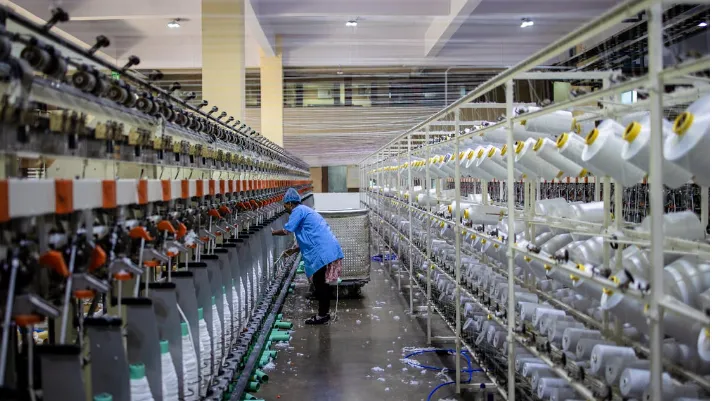
Thailand’s manufacturing sector strengthened further in July 2026, with factory output expanding at its fastest pace of the year as new orders continued to rise.
Quick Skim
The Thailand Manufacturing Purchasing Managers’ Index (PMI) increased to 54.2 in July from 53.6 in June, reaching its highest level since December 2025 and remaining well above the long-term average of 50.5.
A reading above 50 indicates an improvement in manufacturing conditions.
Factory Output Reaches Fastest Pace of 2026
Production growth accelerated for a second consecutive month and reached its strongest level so far this year.
Manufacturers linked the increase to stronger new orders, which grew at their fastest pace in four months. Companies reported more customers placing larger orders, indicating a broader improvement in demand conditions.
New export orders also increased for a third consecutive month, although the pace of growth slowed slightly compared with June.
Despite the moderation, export order growth remained strong by historical standards.
Manufacturers Increase Purchasing Activity
Stronger production requirements encouraged factories to increase purchasing activity during July.
Input purchases rose at their fastest pace since March as manufacturers secured materials to support higher production volumes.
Stocks of purchased materials remained broadly unchanged, while finished goods inventories declined for a second consecutive month.
The reduction in finished goods stocks came as manufacturers responded to stronger customer demand and higher order volumes.
Employment Remains Stable
Despite stronger production and rising orders, manufacturing employment remained broadly unchanged in July.
Staffing levels have shown little movement through much of 2026 as companies continue to manage labour costs and maintain tight control over operating expenses.
At the same time, backlogs of unfinished work increased for a 12th consecutive month, although the rate of accumulation was the slowest during that period.
The continued rise in outstanding work suggests that stronger demand is placing additional pressure on existing factory capacity.
Supply Chains Remain Relatively Stable
Supply-chain conditions remained broadly stable during July.
Average delivery times for manufacturing inputs increased only marginally, marking the smallest deterioration in supplier performance since December.
Purchase prices were also only slightly higher compared with the previous month.
Manufacturers continued raising their own selling prices for a fourth consecutive month, although the increase was more moderate than in June.
S&P Global Market Intelligence Economics Associate Director Phil Smith said healthy demand was allowing manufacturers to improve profit margins while maintaining control over staffing and other overhead costs.
Business Confidence Continues to Recover
Thai manufacturers became slightly more optimistic about production over the coming 12 months.
Business confidence continued recovering from the low recorded in March and moved above its long-term average.
Companies linked their positive expectations to healthy sales, new product launches, marketing activities and expectations of securing additional customers.
However, confidence remained below the levels recorded around the beginning of the year as uncertainty surrounding the global economic outlook continued to affect sentiment.
Thailand Manufacturing Starts Third Quarter Strongly
Thailand entered the third quarter of 2026 with stronger manufacturing conditions, supported by accelerating output and rising new orders.
Higher purchasing activity and continued export growth indicate that manufacturers are responding to improving demand, while relatively stable supply chains and limited input-price increases are helping contain operational pressure.
Although employment remains largely unchanged and global uncertainty continues to affect confidence, July’s PMI results point to continued manufacturing momentum as Thailand moves through the second half of 2026.