






Singapore Mega Projects Could Open Multi-Decade Infrastructure Investment Cycle: OCBC
Singapore’s next wave of infrastructure, industrial development and technology investment could create opportunities spanning several decades, with construction, utilities, clean energy and transport...

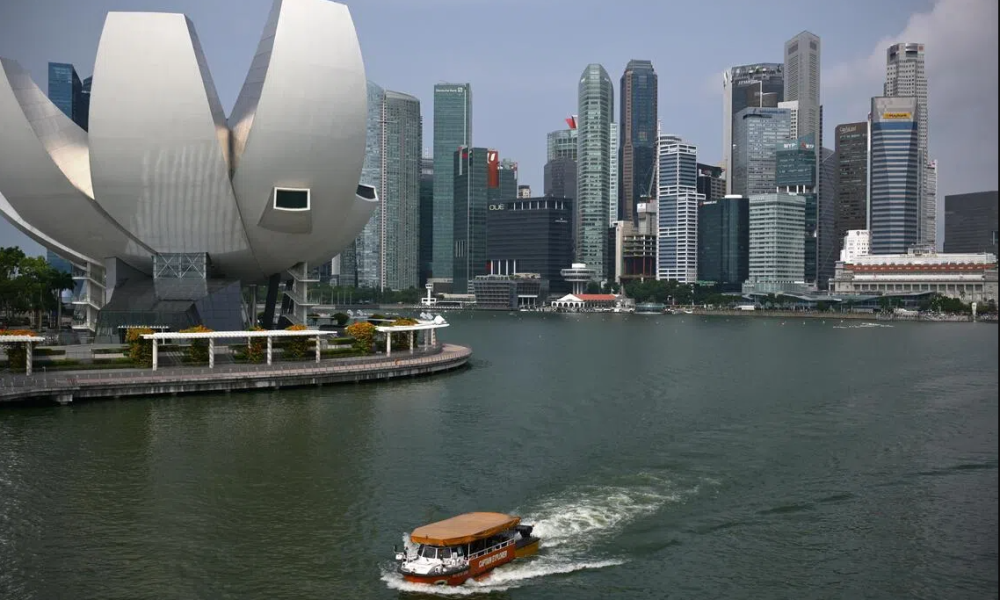
Singapore’s next wave of infrastructure, industrial development and technology investment could create opportunities spanning several decades, with construction, utilities, clean energy and transport among the sectors positioned to benefit, according to OCBC.
Quick Skim
- Western Island Could Expand Industrial and Energy Capacity
- Infrastructure Spending Could Support Construction and Utilities
- AI Adoption Remains Part of Growth Strategy
- Autonomous Vehicle Deployment to Accelerate
- Tourism Infrastructure Forms Another Major Development Area
- Singapore Builds for the Next Phase of Growth
The outlook follows Prime Minister Lawrence Wong’s National Day Rally on August 23, which outlined several long-term development plans for Singapore, including a potential new western island for industrial and power-related activities, expanded tourism infrastructure, greater AI adoption and faster deployment of autonomous vehicles.
OCBC executive director of wealth advisory Afdhal Rahman said the initiatives could generate investment opportunities across Singapore over the next 50 years.
Western Island Could Expand Industrial and Energy Capacity
One of the largest proposals involves potentially combining Pulau Semakau, Pulau Bukom, Pulau Sudong and surrounding smaller islands into a single larger western island.
The additional land would primarily support industrial and power-related activities, creating longer-term opportunities for infrastructure developers, utility providers and clean-energy companies.
Pulau Semakau currently houses Singapore’s only landfill, while Pulau Bukom has long been an important refining and energy location.
The proposed development could therefore extend Singapore’s existing industrial infrastructure while creating additional space for future energy and utility projects.
However, the western island remains at the feasibility-study stage, with no confirmed construction timeline or budget.
Infrastructure Spending Could Support Construction and Utilities
Large-scale development projects could create sustained demand across Singapore’s engineering and infrastructure ecosystem.
OCBC identified construction companies, infrastructure providers, utilities and power companies among the sectors most directly positioned to benefit as projects move from planning into development.
Major projects typically require extensive supporting systems, including power distribution, transportation links, utilities and other critical infrastructure.
Financial institutions could also see increased demand for corporate and infrastructure financing as projects progress.
Given the long development timelines involved, however, the economic and operational impact of these projects is expected to emerge gradually rather than immediately.
AI Adoption Remains Part of Growth Strategy
Singapore is also continuing to push artificial intelligence adoption across businesses.
Government support through grants and co-funding programmes is expected to encourage more companies, including small and medium-sized enterprises, to introduce AI and digital technologies into their operations.
Technology providers supplying AI software, implementation services and workforce training could benefit as adoption broadens across different sectors.
The initiative forms part of Singapore’s wider strategy to improve productivity while developing new areas of economic growth.
Autonomous Vehicle Deployment to Accelerate
Autonomous transport is another area expected to receive stronger policy support.
Singapore has already conducted autonomous vehicle trials, including deployments in Punggol, and the government plans to accelerate the introduction of the technology.
A wider rollout could create additional opportunities across autonomous driving technology, fleet operations, transport infrastructure and supporting digital systems.
For Singapore, autonomous vehicles form part of a broader effort to use technology to improve transport productivity and address long-term workforce requirements.
Tourism Infrastructure Forms Another Major Development Area
Singapore’s development plans also extend to tourism and urban infrastructure.
Plans include connecting Sentosa and Pulau Brani more closely as a leisure destination, alongside a new Downtown South resort, additional attractions and improved transport connectivity.
These developments are aligned with Singapore’s Tourism 2040 ambitions and could increase demand across construction, transport, hospitality and supporting infrastructure.
The projects add another layer to the country’s longer-term development pipeline alongside industrial and energy infrastructure.
Singapore Builds for the Next Phase of Growth
OCBC said the latest plans reinforce Singapore’s focus on infrastructure development, productivity improvements and new economic growth opportunities despite uncertainty in the global economy.
For the industrial sector, the proposed western island is particularly significant because it could create additional capacity for energy, utilities and industrial infrastructure over the coming decades.
Combined with greater AI adoption, autonomous transport and continued infrastructure investment, Singapore’s development roadmap points to a long-term pipeline of projects extending beyond conventional urban development.
While many remain at an early planning stage, the scale of the proposals shows that Singapore’s next phase of growth will continue to rely heavily on investment in physical infrastructure, energy systems and digital technology.