







Lâm Đồng Accelerates Transport Infrastructure to Strengthen Regional Growth
Lâm Đồng is accelerating investment in expressways, rail, aviation and digital transport planning as Việt Nam’s largest province by area looks to improve connectivity between industrial zones,...

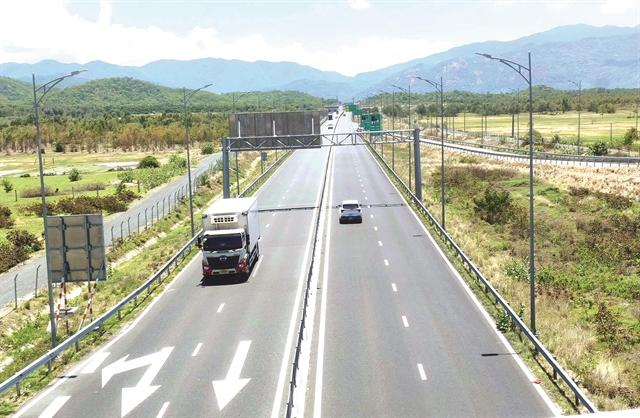
Lâm Đồng is accelerating investment in expressways, rail, aviation and digital transport planning as Việt Nam’s largest province by area looks to improve connectivity between industrial zones, agricultural production centres, seaports and major economic regions.
Quick Skim
- Expressways Become Central to Regional Connectivity
- Construction Accelerates on Major Routes
- New Corridor to Link Highlands With the Coast
- Rail Network Forms Part of Multimodal Strategy
- Airports Support Highlands and Coastal Connectivity
- Transport Planning Moves Digital
- Logistics Infrastructure Supports Investment
- Infrastructure Becomes Foundation for Provincial Growth
Following the provincial mergers, the enlarged Lâm Đồng now stretches from the former Đắk Nông Province in the Central Highlands to the former Bình Thuận Province on the south-central coast.
The province is served by road, railway, waterway and aviation infrastructure, giving it a broader transport network to support development across industry, agriculture, tourism, logistics and the marine economy.
Expressways Become Central to Regional Connectivity
Road transport remains the backbone of Lâm Đồng’s network.
The province currently has more than 22,582 km of roads, including nearly 180 km of operational expressways, more than 1,459 km of national highways and over 1,521 km of provincial roads.
In 2026, authorities are concentrating resources on several major expressway projects, including:
- Tân Phú–Bảo Lộc Expressway
- Bảo Lộc–Liên Khương Expressway
- Gia Nghĩa–Chơn Thành section of the western North–South Expressway
Once completed, the routes are expected to shorten passenger and freight travel times between the Central Highlands and Việt Nam’s southern key economic region while reducing logistics costs.
The improved connections are also expected to support investment in processing industries, high-tech agriculture, tourism and services.
Construction Accelerates on Major Routes
Preparatory and construction work is advancing on the Tân Phú–Bảo Lộc and Bảo Lộc–Liên Khương expressways.
A total of 20 construction fronts have been established across the two projects.
The Tân Phú–Bảo Lộc Expressway currently has seven construction fronts involving 110 workers and 68 pieces of equipment.
Around 111 hectares of the required 402 hectares, or 27%, have been handed over for construction.
The Bảo Lộc–Liên Khương Expressway has 13 construction fronts, with 149 workers and 75 pieces of equipment mobilised. Land handover has reached approximately 471 hectares out of 621 hectares, equivalent to nearly 76%.
Provincial authorities have called for faster compensation and site clearance while prioritising bridges, interchanges and other sections where construction can proceed immediately.
New Corridor to Link Highlands With the Coast
Lâm Đồng is also coordinating upgrades to National Highways 27, 28 and 55 while completing National Highway 28B.
Investment preparations are underway for the Gia Nghĩa–Bảo Lâm arterial road and the national coastal road.
The province also wants the planned Phan Thiết–Bảo Lộc–Gia Nghĩa Expressway added to the national road network.
The route would create a strategic transport corridor connecting the Central Highlands with the South Central Coast.
This would provide stronger links between inland agricultural and industrial production areas and coastal infrastructure, including seaports and marine-economy activities.
Rail Network Forms Part of Multimodal Strategy
Road investment is being combined with further development of rail infrastructure.
Lâm Đồng currently has around 196 km of railway, including sections of the North–South railway, the Đà Lạt–Trại Mát route and the Bình Thuận–Phan Thiết branch.
The planned North–South high-speed railway is expected to pass through more than 156 km of the province.
Local authorities are accelerating compensation, site clearance and preparation of resettlement areas to support the national project’s implementation schedule.
Rail development is expected to add another transport option for passengers and freight while strengthening the province’s broader multimodal network.
Airports Support Highlands and Coastal Connectivity
Aviation infrastructure is also being upgraded.
Liên Khương International Airport, an important aviation gateway to the Central Highlands, currently has capacity for around two million passengers per year.
Repairs to the airport’s runway and taxiways have recently been completed, improving operational capacity and supporting stronger connections with major domestic and international economic and tourism centres.
Meanwhile, Phan Thiết Airport is being developed with a targeted capacity of two million passengers annually by 2030.
The airport is expected to support tourism, services and logistics in Lâm Đồng’s eastern coastal area while improving links between the coast and the Central Highlands.
Transport Planning Moves Digital
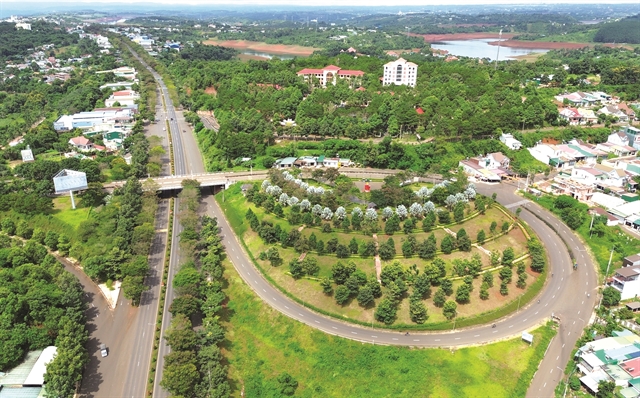
Alongside physical infrastructure, Lâm Đồng is increasing the use of digital technology in transport management and urban planning.
The province is developing digital databases, geographic information system maps and an online planning information portal, while construction plans are also being digitised.
The systems are intended to improve government management and make planning information more accessible to businesses and residents.
Digitalisation is becoming increasingly relevant as the enlarged province manages a much larger and more geographically diverse infrastructure network.
Logistics Infrastructure Supports Investment
Lâm Đồng plans to continue expanding logistics and multimodal transport services while upgrading highways, rural roads and aviation connections.
The aim is to create stronger links between production areas, industrial centres, tourism destinations, seaports and airports.
Better connectivity could reduce the cost and time required to move agricultural and manufactured goods between the Central Highlands, coastal areas and major consumption and export markets.
The province also expects improved transport infrastructure to help attract additional private investment following its merger with Đắk Nông and Bình Thuận.
Infrastructure Becomes Foundation for Provincial Growth
The enlarged Lâm Đồng brings together the economic strengths of the Central Highlands and Việt Nam’s south-central coastline within a single province.
Transport infrastructure is being positioned as the foundation for integrating these different economic areas.
By accelerating expressway construction, preparing for high-speed rail, upgrading airports and introducing digital transport-management systems, Lâm Đồng aims to improve competitiveness and create a more connected environment for industry, agriculture, logistics and services.
The province is targeting stronger investment and double-digit economic growth as the new transport network progressively connects its inland production centres with coastal gateways and national economic corridors.