





China Sets 2030 Plan for Port, Rail and Digital Logistics Upgrades
China has approved a logistics infrastructure programme running through 2030 that will accelerate rail connections to ports, expand multimodal freight facilities and introduce more automation and AI...

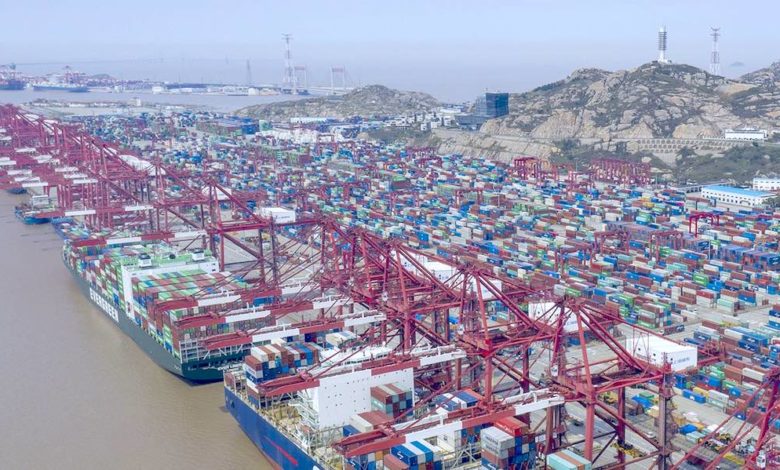
China has approved a logistics infrastructure programme running through 2030 that will accelerate rail connections to ports, expand multimodal freight facilities and introduce more automation and AI across the country’s transport network.
Quick Skim
- Rail Links to Coastal Ports to Expand
- Major Port Infrastructure to Be Upgraded
- AI and Automation Move Into Port Operations
- Driverless Trucks Target Port and Logistics Parks
- Charging and Alternative-Fuel Infrastructure to Grow
- China Targets Lower Logistics Costs by 2030
- Ports Become More Connected and Automated
The implementation plan, jointly issued by the National Development and Reform Commission and the Ministry of Transport, calls for upgrades to major coastal and inland ports, stronger bulk-handling capacity and improvements to specialised terminals and shared port infrastructure.
The programme is intended to reduce logistics costs while shifting more freight onto rail and inland waterways.
Rail Links to Coastal Ports to Expand
A major part of the plan focuses on improving connections between ports and inland transport networks.
Authorities have been instructed to accelerate rail access into multimodal areas at coastal ports, while building or expanding intermodal transfer yards and railway container terminals.
Additional connections will be developed through railway sidings, roads, inland waterways and conveyor systems.
Congested roads serving ports have also been identified for upgrades, while additional river-sea transfer facilities are planned to support greater movement of freight through rail and waterborne transport.
Major Port Infrastructure to Be Upgraded
China will also strengthen cargo-handling capacity across major coastal and inland ports.
The plan calls for upgrades to large specialised terminals and common port infrastructure, supporting higher cargo volumes and improving the efficiency of bulk and container operations.
Improved terminal infrastructure will be accompanied by stronger landside logistics connections, linking ports more directly with rail, road and inland-waterway networks.
The approach reflects China’s wider push to create more integrated multimodal freight corridors.
AI and Automation Move Into Port Operations
Digitalisation is another major component of the programme.
China plans to develop more smart logistics hubs and intelligent port facilities, including the deployment of advanced sensing equipment and automated terminal technologies.
Artificial intelligence will also be introduced into logistics scheduling to improve how freight movements, terminal resources and transport capacity are coordinated.
Major ports are expected to undergo wider digital upgrades as authorities seek to improve operational visibility and efficiency.
Driverless Trucks Target Port and Logistics Parks
Autonomous vehicles are included in the plan, with driverless trucks expected to be introduced first in controlled environments such as ports and logistics parks.
These locations provide more predictable operating conditions for testing automated freight transport before wider deployment.
China also plans to strengthen data sharing across transport modes, particularly between multimodal logistics systems and waterborne freight operations.
The objective is to improve coordination between ports, railways, road transport and inland shipping.
Charging and Alternative-Fuel Infrastructure to Grow
The logistics programme also includes measures to reduce emissions across freight transport.
China will expand charging and battery-swapping infrastructure while developing green and alternative-fuel bunkering facilities at major coastal and inland ports.
The plan encourages wider adoption of:
- New-energy trucks
- Cleaner ships
- Electric cargo-handling equipment
- Alternative-fuel port infrastructure
These investments will support the broader electrification and decarbonisation of China’s logistics system.
China Targets Lower Logistics Costs by 2030
The government aims to reduce the ratio of total social logistics costs to GDP to 13.1% by 2030.
That would be 0.8 percentage points below the target set for the end of the current five-year planning period.
No single investment figure has been assigned to the programme.
Instead, authorities expect projects to be supported through a combination of public funding, commercial financing and private capital.
Ports Become More Connected and Automated
China’s 2030 logistics plan combines physical infrastructure investment with automation and digital technology.
Rail connections, intermodal terminals and port access roads will be expanded alongside AI scheduling, intelligent sensing and autonomous freight systems.
The programme also places greater emphasis on electric transport and alternative-fuel infrastructure as China works to improve logistics efficiency while lowering operating costs and emissions.
Together, the upgrades are expected to create a more connected logistics network linking ports, railways, inland waterways and digital freight systems across the country.