





GTT Marine Expands VDR Analytics to Support Proactive Maritime Safety
GTT Marine has launched a new analytics capability that uses Voyage Data Recorder data to identify potentially unsafe vessel behaviour during normal operations, extending VDR use beyond post-incident...

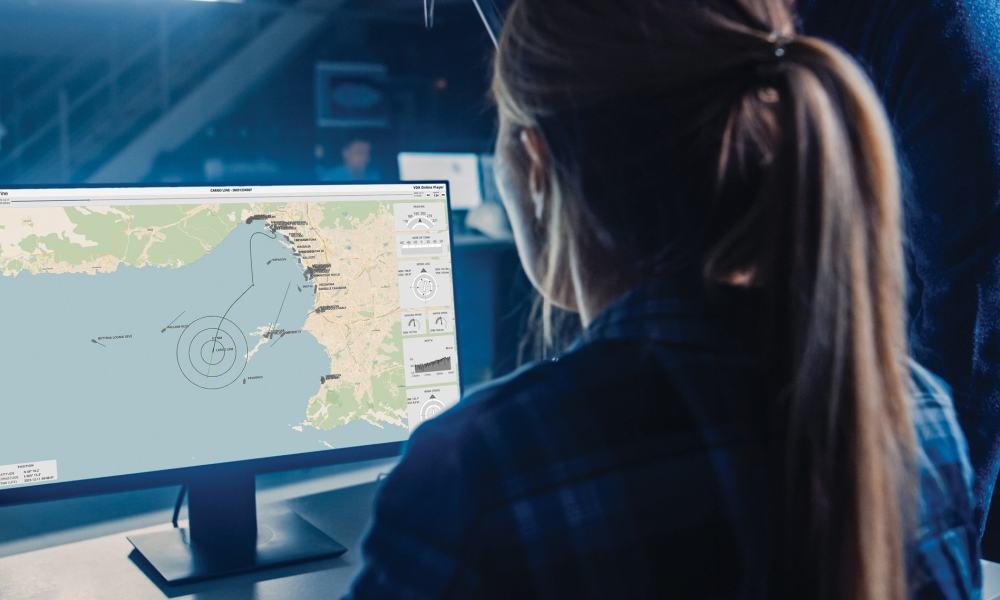
GTT Marine has launched a new analytics capability that uses Voyage Data Recorder data to identify potentially unsafe vessel behaviour during normal operations, extending VDR use beyond post-incident investigation into continuous safety monitoring.
Quick Skim
The new Bridge Operations Quality Assurance (BOQA) capability is available through Safety Insights by Danelec and automatically analyses vessel data against predefined safety triggers.
VDR Data Moves Beyond Incident Investigation
Voyage Data Recorders have traditionally provided investigators with information on vessel and bridge activity before and during accidents.
BOQA is designed to use the same data during everyday voyages, allowing operators to identify safety-relevant events before they develop into serious incidents.
The system continuously reviews operational data and directs marine, HSEQ and fleet-management teams towards situations that may require closer examination.
This allows individual events to be assessed as part of broader patterns across multiple voyages and vessels.
Analytics Flags Potential Safety Risks
BOQA can identify a range of operating conditions that may indicate elevated risk.
These include potentially dangerous close passing, excessive rates of turn or rudder angles, abnormal heading changes, sustained heel, excessive speed in shallow water and severe wind conditions.
The system can also detect sudden deceleration associated with a possible collision or grounding.
Rather than flagging every short-term change, BOQA evaluates data over defined periods to reduce noise and transient fluctuations.
Operational Context Helps Reduce False Alerts
GTT Marine said the analytics can incorporate operational context when evaluating whether an event warrants further attention.
For close-passing situations, for example, analysis can consider Closest Point of Approach, vessel length, speed and water depth.
Heading changes and rates of turn can similarly be assessed against parameters appropriate to the vessel type and operating speed.
The approach is intended to provide safety teams with a smaller number of meaningful events rather than creating another stream of operational alarms.
Shore Teams Gain Greater Fleet Visibility
The system is designed to give shore-based teams greater visibility into how vessels are being operated across the fleet.
By automatically highlighting events for review, BOQA can help operators identify recurring behaviours or operational trends that may require additional investigation, training or changes to procedures.
Christian Kock, EVP Safety at GTT Marine, said the aim is to allow operators to learn from routine voyages rather than relying primarily on VDR information after serious incidents have occurred.
Vessel Data Takes Larger Role in Safety Management
BOQA forms part of GTT Marine’s wider safety and monitoring portfolio, which combines onboard data collection with analytics for shore-based fleet oversight.
GTT Marine’s systems bring together technologies from Danelec and other businesses within the group to support vessel safety, performance and operational monitoring. More than 17,000 marine and digital solutions from GTT Marine are deployed on vessels worldwide.
The launch highlights a wider shift in maritime digitalisation, where operational data that was once collected primarily for compliance or investigation is increasingly being used for continuous risk identification and safety improvement.
By analysing VDR information during routine operations, shipowners can potentially detect recurring navigational risks earlier and use voyage data as part of a more proactive fleet-safety programme.