





Taiwan to Prepare Ready-to-Use Factories as Semiconductor and AI Investment Grows
Taiwan will prepare ready-to-use land and factory facilities for semiconductor and technology investors in an effort to shorten project timelines as demand for advanced chips and AI infrastructure...

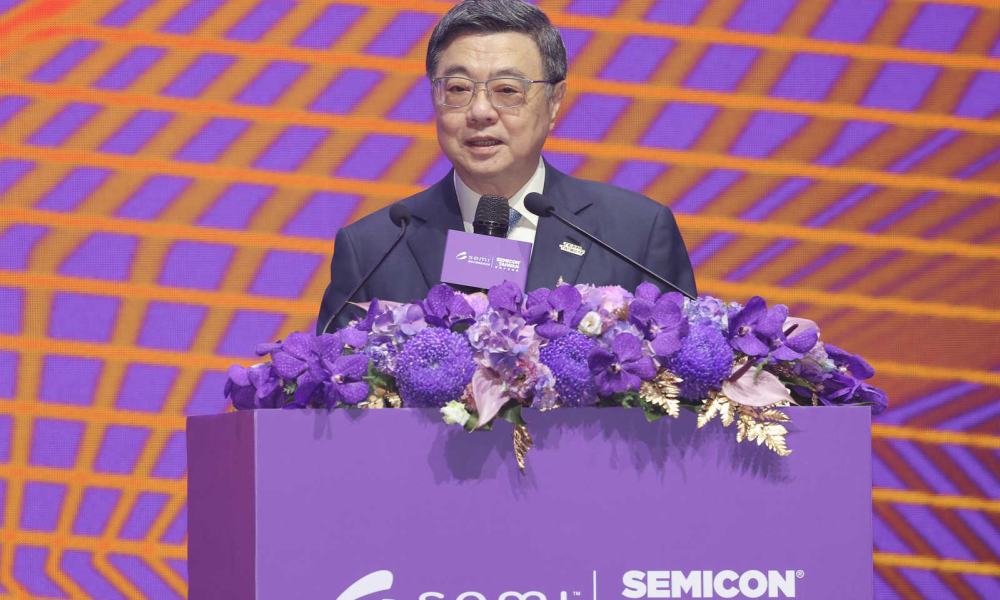
Taiwan will prepare ready-to-use land and factory facilities for semiconductor and technology investors in an effort to shorten project timelines as demand for advanced chips and AI infrastructure continues to accelerate.
Quick Skim
Premier Cho Jung-tai said the Cabinet has instructed the Ministry of Economic Affairs and National Science and Technology Council to prepare suitable sites so companies can begin operations with fewer delays.
The announcement was made at the opening of SEMICON Taiwan, where more than 4,300 exhibitors from over 60 countries are participating.
Ready-Built Facilities Target Faster Investment
Taiwan’s government wants to reduce the time semiconductor manufacturers and technology companies spend securing land and preparing production facilities.
Under the plan, industrial land and factory infrastructure would be prepared in advance, allowing investors to move more quickly from investment decisions to production.
The approach comes as semiconductor companies continue expanding capacity in advanced manufacturing, packaging and memory technologies.
For Taiwan, reducing infrastructure bottlenecks could help maintain its position as semiconductor investment accelerates across Asia and other major global markets.
Semiconductor Output Reaches NT$6.7 Trillion
Taiwan’s semiconductor industry generated approximately NT$6.7 trillion (US$209.1 billion) in output in 2025, up 22.7% from the previous year.
Cho said growth has exceeded expectations as demand for advanced chips and AI technologies continues to rise.
Major semiconductor manufacturers including TSMC, along with international technology companies, are continuing to invest in advanced production capacity within Taiwan.
The government also plans to strengthen domestic semiconductor equipment and materials industries, broadening Taiwan’s role across the global chip supply chain.
AI Demand Drives New Manufacturing Requirements
Rapid growth in artificial intelligence is creating additional demand across Taiwan’s semiconductor ecosystem.
Advanced AI computing requires increasingly sophisticated processors, memory, packaging and supporting technologies, driving new investment throughout the manufacturing supply chain.
Taiwan is also promoting 10 major AI infrastructure projects aimed at supporting semiconductor development, strengthening international technology links and encouraging wider adoption of AI applications.
The projects form part of Taiwan’s wider effort to connect semiconductor manufacturing capacity with the infrastructure required for future AI growth.
Power Supply Becomes Key Expansion Issue
Rising semiconductor and AI investment is also expected to increase Taiwan’s electricity requirements.
Cho said the government will estimate how much additional power will be required as AI-related industries expand and ensure sufficient electricity is available to support future investment.
Semiconductor fabrication plants and AI infrastructure are highly energy-intensive, making power availability an increasingly important consideration when companies select locations for new facilities.
The government said its industrial expansion strategy will therefore focus on four key resources: land, energy, workforce and financing.
Taiwan Strengthens Semiconductor Supply Chain
Beyond increasing wafer manufacturing capacity, Taiwan is seeking to strengthen more parts of its semiconductor ecosystem.
Government support for equipment and materials suppliers could help expand local capabilities while reducing supply-chain dependencies across advanced chip production.
The strategy also comes as governments worldwide increase incentives and infrastructure investment to attract semiconductor manufacturing.
For Taiwan, preparing factories and industrial sites before companies commit to projects could shorten deployment timelines and help retain investment as competition for semiconductor capacity increases.
Semiconductor Investment Moves Beyond Fab Construction
Taiwan’s latest plans show how semiconductor expansion increasingly depends on more than building fabrication plants.
New investment requires coordinated access to industrial land, reliable power, skilled workers, financing, equipment and materials suppliers.
By preparing production sites in advance and supporting AI-related infrastructure, Taiwan is seeking to remove some of the operational barriers that could slow the next phase of semiconductor growth.