







China Opens Pinglu Canal to Cut Southwest–Southeast Asia Shipping Distance by 560km
China has opened the 134km Pinglu Canal in Guangxi, creating a direct river-to-sea shipping route that could shorten cargo journeys between southwest China and Southeast Asia by around 560km while...

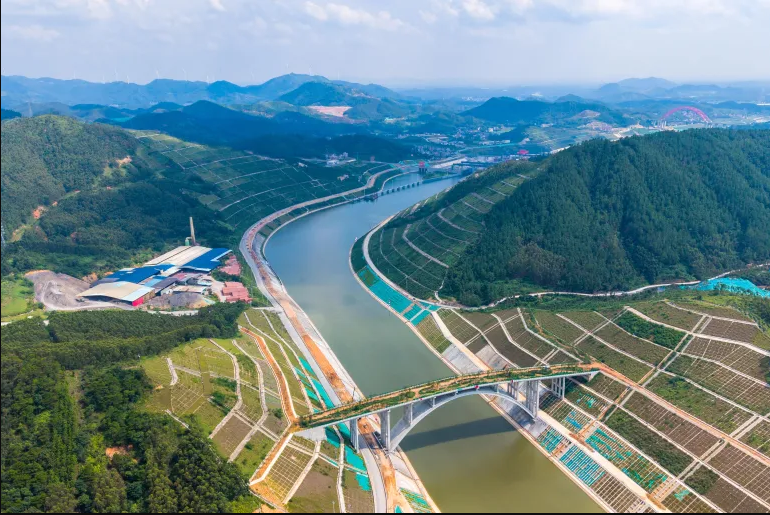
China has opened the 134km Pinglu Canal in Guangxi, creating a direct river-to-sea shipping route that could shorten cargo journeys between southwest China and Southeast Asia by around 560km while reducing logistics costs by as much as 30%.
Quick Skim
The new waterway links the Xijiang River with the Beibu Gulf, giving inland manufacturing and industrial centres across Guangxi, Yunnan, Guizhou and other parts of southwest China a shorter route to regional and international markets.
Canal Creates Direct Route to the Sea
The Pinglu Canal is China’s first modern river-to-sea canal and forms part of the New International Land-Sea Trade Corridor, which connects western and southwestern China with Southeast Asia and wider global markets.
The canal allows river vessels to sail directly to berths at Qinzhou Port without transferring cargo to another vessel before reaching the sea.
Designed to accommodate vessels of up to 5,000 tonnes, the project cost approximately 72.7 billion yuan (US$10.8 billion).
Logistics Costs Could Fall by Up to 30%
Guangxi authorities estimate the canal will reduce shipping distances between inland southwest China and Southeast Asian markets by around 560km.
Logistics costs could fall by 18% to 30%, while annual transport-cost savings are estimated at more than 5 billion yuan (about US$700 million).
For manufacturers located far from China’s coast, the shorter route could improve access to ports while reducing the time and cost required to move raw materials and finished goods.
Southeast Asia Trade Supports New Corridor
The canal opens as trade between China and Southeast Asia continues to expand.
Bilateral trade reached approximately 4.34 trillion yuan (US$640 billion) during the first half of 2026, up 18.2% year on year.
At the canal’s southern end, Beibu Gulf Port has also expanded rapidly, with container-handling capacity increasing from 2.28 million TEUs in 2017 to 10.06 million TEUs in 2025.
The port already connects with major Southeast Asian destinations, giving the new inland waterway access to an established regional shipping network.
Direct Vietnam Service Planned
Commercial shipping activity linked to the canal is already beginning.
A train carrying sodium bisulfate from Chongqing recently arrived at Nanning Port as part of preparations for the new corridor. Following the canal’s opening, direct commercial sailings are planned between Guangxi and Can Tho in southern Vietnam.
The route demonstrates how rail, inland waterways and seaports are being integrated to create a multimodal supply chain connecting inland Chinese production centres with Southeast Asian markets.
Industrial Belt Planned Along Canal
Guangxi is also developing a Pinglu Canal Economic Belt to attract manufacturing and technology investment around the new transport corridor.
Priority industries include:
- Non-ferrous metals and critical minerals
- Green chemicals
- Artificial intelligence
- Information technology
Industrial zones are being developed near ports to reduce the distance between manufacturing sites and maritime gateways.
The strategy aims to turn the canal from a transport project into a broader industrial and logistics corridor.
Transit Fees Waived Through 2026
Commercial vessels will be able to use the canal’s three ship locks free of charge until December 31, 2026.
From January 2027, a trial transit fee of one yuan per tonne of vessel capacity will apply each time a vessel passes through the locks. The trial pricing arrangement is scheduled to continue until September 2031.
The initial fee waiver is intended to encourage shipping companies and cargo owners to begin using the new route.
New Waterway Reshapes Regional Supply Chains
The Pinglu Canal adds another logistics corridor connecting China’s inland manufacturing regions directly with maritime trade.
For industries in western and southwestern China, the new route could reduce dependence on longer overland journeys to established coastal gateways while providing faster access to Southeast Asian ports.
By combining inland shipping, rail networks, industrial zones and Beibu Gulf port infrastructure, the project could strengthen trade flows between China and Southeast Asia while reducing transport costs for manufacturers and logistics operators.