South Korea Advances AI Technology for Autonomous Vessels and Ports by 2035
South Korea targets autonomous vessel core tech by 2032, AI port automation by 2035, aiming to lead the global autonomous-ship market and improve maritime safety.

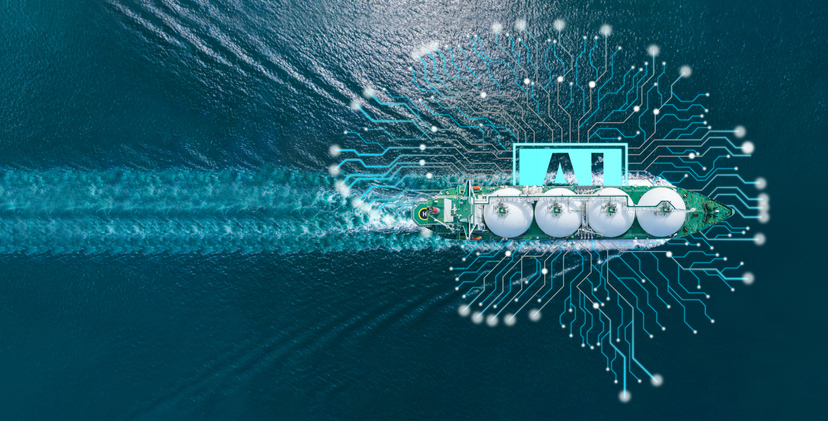
South Korea has announced a comprehensive plan to integrate artificial intelligence (AI) into maritime operations, including unmanned autonomous vessels and automated port systems, aiming to enhance safety, productivity, and global competitiveness by 2035.
Quick Skim
Development of Autonomous Vessels and Maritime Safety Systems
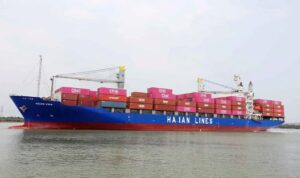
The Ministry of Oceans and Fisheries, in collaboration with the Ministry of Trade, Industry and Energy, aims to secure core technology for Level 4 fully unmanned autonomous vessels by 2032. These vessels will operate without any crew on board, with safety and reliability to be validated in domestic and international waters prior to commercial deployment.
South Korea intends to become the leading global supplier, targeting a share of the autonomous-ship market, which is expected to reach US$200 billion by 2035. Alongside this, AI systems will provide real-time navigation support for small vessels and implement a situational management framework to detect maritime hazards early, aiming to reduce maritime accident casualties by 30 percent by 2030.
AI Integration in Ports, Fisheries, and Environmental Management
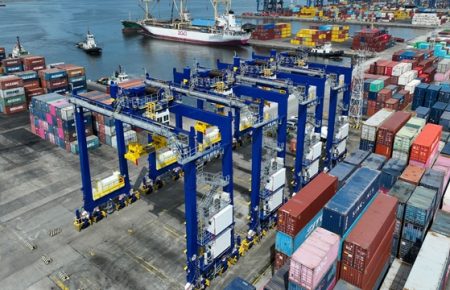
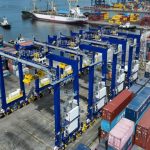
At ports, physical AI—embedded in robotics and machinery—will be deployed to automate container handling and transportation. The government plans to establish an automated port test facility in Gwangyang by 2029, where these technologies will be trialled before being introduced at major ports such as Busan’s Jinhae New Port. This approach includes agentic AI to optimise overall workflow and raise port productivity by 30 percent by 2035.
In aquaculture, smart fishery innovation districts will increase AI adoption, raising smart aquaculture penetration from the current 3.7 percent to 10 percent by 2030. AI technology will also be applied to monitor illegal fishing, fishery resources, supply and demand forecasting, and seafood processing automation.
The government will enhance marine environmental monitoring through improved ocean data collection and anomaly detection with AI, applying technology to automating floating debris removal and monitoring unauthorised use of public waters.
Implications for Industrial Operations
According to South Korean officials, these innovations are expected to improve operational efficiency and safety across shipping, port logistics, fisheries, and marine environmental management. The integration of AI into physical operations, rather than solely data analysis, aims to create a more autonomous and resilient maritime ecosystem, address workforce challenges in fishing villages, and mitigate climate-related risks.
Minister of Oceans and Fisheries Hwang Jong-woo emphasised AI as a core driver to address immediate industry challenges and create new global market opportunities. The ministry will support industry uptake by establishing AI-ready data frameworks, setting usage standards, commercialising AI products, and developing specialist training programmes.
While the technology remains under development with ongoing safety validation, South Korea’s strategy reflects a coordinated approach to position itself at the forefront of maritime AI innovation by 2035.