Edify Energy Advances 3.2 GWh Battery Storage with Glenarbon Solar Project in Australia
Edify Energy refers Glenarbon project combining 800 MW solar and 3.2 GWh battery to Australian federal environmental assessment.

Developer Edify Energy has referred its Glenarbon Solar Power Station project in Queensland for federal environmental assessment, marking a progression towards large-scale renewable energy and battery storage integration in Australia’s National Electricity Market.
Quick Skim
- Glenarbon Project Combines 800 MW Solar With 3.2 GWh Battery Storage
- Connection to National Electricity Market via Existing Infrastructure
- Environmental Considerations and Land Use
- Edify Energy’s Expanding Renewable Portfolio
- Implications for Energy Production and Grid Stability in Australia
- Further Developments in Federal Environmental Approvals
- Outlook for Large-Scale Battery Integration in Australia
Glenarbon Project Combines 800 MW Solar With 3.2 GWh Battery Storage
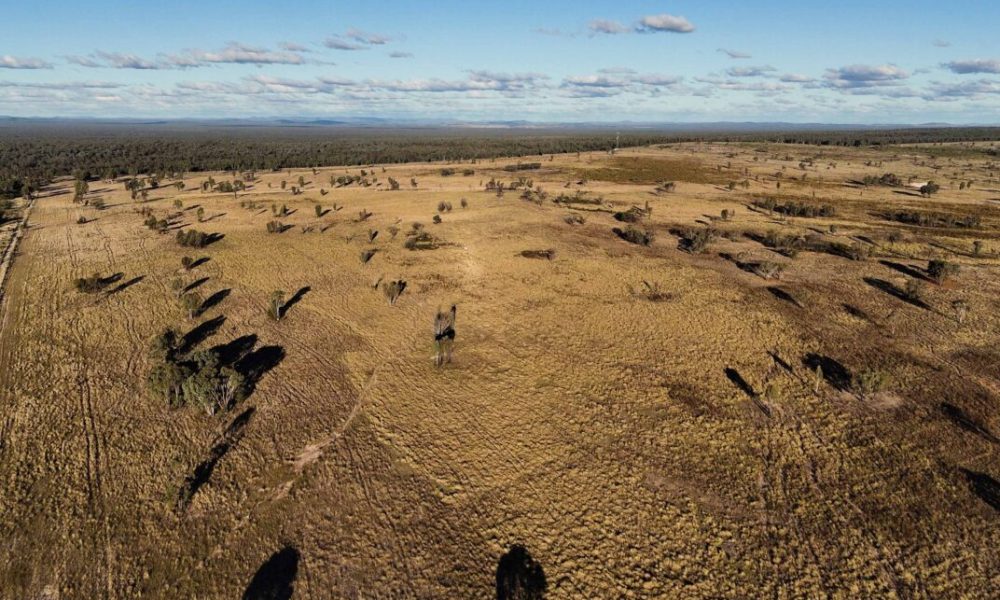
The project, situated on a 1,500-hectare site approximately 65 km east of Goondiwindi near the New South Wales border, proposes an 800 MW solar farm coupled with an 800 MW battery energy storage system (BESS) with 3,200 MWh of capacity. This four-hour duration battery storage aims to store excess solar generation and dispatch energy during peak demand or generation shortfalls.
Connection to National Electricity Market via Existing Infrastructure
According to the referral documents submitted under the federal Environment Protection and Biodiversity Conservation (EPBC) Act, the Glenarbon facility will connect to the National Electricity Market (NEM) through an existing Powerlink 330 kV transmission line that runs across the project site. The integrated facility is expected to generate up to 1,555,000 MWh of dispatchable renewable energy annually.
Environmental Considerations and Land Use
The proposed site has been largely cleared and is currently utilised for grazing sheep and cattle. Edify Energy anticipates the project will not constitute a controlled action under the EPBC Act, as environmental impacts can be mitigated through planned measures. This federal assessment step is essential prior to project approval.
Edify Energy’s Expanding Renewable Portfolio
Now owned by Canadian investment group La Caisse, Edify Energy has established itself as a significant developer in the Australian renewable sector. It previously developed the Gannawarra battery, Australia’s first co-located but separately connected battery adjacent to a solar farm.
The company’s portfolio currently includes 17 solar projects and 16 battery systems across Australia, notably in Queensland, with projects such as Smoky Creek, Guthrie’s Gap, Ganymirra, and Majors Creek providing a combined 1,080 MWp of solar capacity and 900 MW / 3,600 MWh of DC-coupled battery storage.
Implications for Energy Production and Grid Stability in Australia
The Glenarbon project reflects the growing integration of large-scale battery storage with renewable generation, enhancing grid flexibility and supporting peak demand management. The combined solar and battery system could facilitate greater renewable penetration while maintaining grid stability, important for operations in Queensland and the interconnected NEM region.
Further Developments in Federal Environmental Approvals
Edify has also secured federal environmental approval for its Nowingi Solar Power Station in northwest Victoria, which consists of a 300 MW solar plant combined with a 300 MW / 2,400 MWh battery storage system. This complements their strategy of co-locating solar and storage assets to optimise dispatchability.
Outlook for Large-Scale Battery Integration in Australia
As Australia continues its energy transition, projects like Glenarbon signal increased investment in renewable generation backed by substantial battery capacity. Stakeholders will monitor the progress of this and similar projects through federal assessments, as their deployment will influence future supply chain demands, workforce needs, and grid management strategies in the Asia-Pacific region.
Source: ESS News (pv magazine Australia). Photo: ESS News